
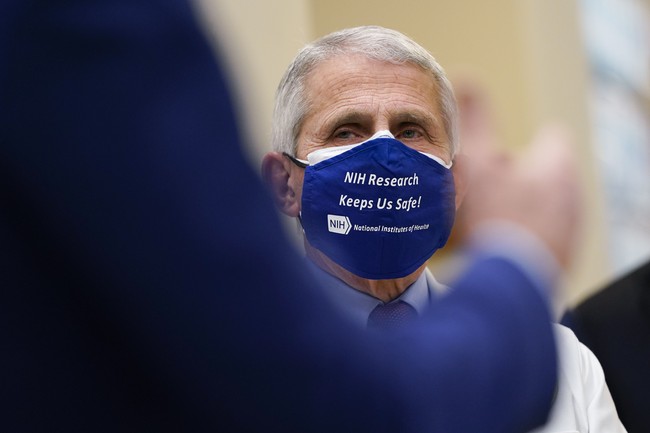
The NIH is under fresh scrutiny after a whistleblower allegation about a monkey bite and alleged virus smuggling surfaced, prompting claims of a cover-up, suspension of an employee, and an FBI referral; this piece lays out the claims, the biological risks involved, and why this matters to public trust in government research institutions.
The National Institutes of Health has taken another hit to credibility with a new whistleblower complaint that ties a monkey bite to possible exposure to a deadly pathogen and accuses officials of hiding what happened. The allegations center on an NIH animal researcher and claims that dangerous viral samples were brought into the United States from Africa. This report examines the specifics of the whistleblower letter, the named individuals, and the broader safety questions it raises for taxpayer-funded labs.
Independent journalist Laura Loomer first publicized parts of the whistleblower material, and the reporting links a foreign-born NIH researcher to both an apparent suspension and an FBI referral. The story alleges that the researcher tried to bring dozens of vials back from Africa and misled customs about their contents. Those claims, if true, imply a shocking lapse in basic biosecurity controls and institutional transparency.
The whistleblower claims, as published, include an extraordinary statement about high-level confirmation from the Department of Health: “HHS Secretary Robert F. Kennedy, Jr. @SecKennedy has personally confirmed to me the legitimacy of the whistleblower allegations about a rogue, foreign-born NIH animal researcher first exposed by White Coat Waste last week. In response to my reporting on the letter revealed by WCW, RFK Jr. tells me that his agency referred foreign-born NIH animal researcher Vincent Munster to the @FBI for allegedly smuggling viruses from Africa into the U.S.”
Another passage from the document read: “The explosive whistleblower letter below sent to White Coat Waste claims there is a cover-up about illegal virus smuggling by Trump-hating, foreign born NIH animal researchers and a monkey bite incident that exposed a staffer to a deadly virus at an NIH lab in Montana. According to the letter: “Three foreign nationals with TDS who hate America and worked to weaponize the Covid virus got caught trying to sneak VHF samples into the United States from Africa.” ”VHF” stands for viral hemorrhagic fever.”
The whistleblower letter goes on with granular allegations: that NIH staffers were quietly banned from a Rocky Mountain lab, that shipping of viral hemorrhagic fever samples was attempted in personal baggage, and that a monkey bite exposed a lab worker to Crimean-Congo hemorrhagic fever. If accurate, those are not merely policy violations, they are immediate threats to worker and public safety that required swift reporting and containment.
Viral hemorrhagic fevers like Ebola and Marburg are among the most dangerous pathogens known, causing severe tissue breakdown and heavy bleeding in victims. These agents are fragile outside a host, surviving only briefly in the environment, but transmission via contaminated blood or bites is exactly the sort of event that would produce a high-risk exposure. A bite from an infected macaque can deliver infectious material directly into tissue and bloodstream, which is why standard lab protocols exist for a reason.
The most alarming charge here is institutional silence: the whistleblower asserts that campus staff were not informed, the incident was concealed, and the exposed employee was moved off-site. Hiding exposures or failing to notify colleagues and authorities defeats containment, undermines contact tracing, and risks further spread. Agencies entrusted with dangerous work owe the public rigorous oversight, not secrecy.
Questions also swirl around motive and oversight. Why would an NIH researcher handle or transport VHF material in a way that risked public safety? Was this approved research, a reckless experiment, or something else entirely? The complaint accuses the individuals of political animus and intent, but the immediate issue remains whether established biosafety rules were followed and whether leadership enforced them.
Whistleblowers and watchdog groups say their actions prevented a larger catastrophe and deserve careful, independent investigation. At a minimum, the claims demand transparent audits of chain-of-custody, travel and shipping records, and internal incident reporting at the implicated laboratory. If the FBI is involved, criminal accountability could follow; if not, administrative discipline and restructuring should be on the table.
That this controversy arrives on the heels of broader skepticism about pandemic-era research only deepens public worry. Labs working with exotic pathogens must operate under strict, scrupulous controls, and taxpayers have a right to know that those controls work. The stakes here are not political theory; they are worker safety, public health, and the integrity of institutions we fund.



Add comment