
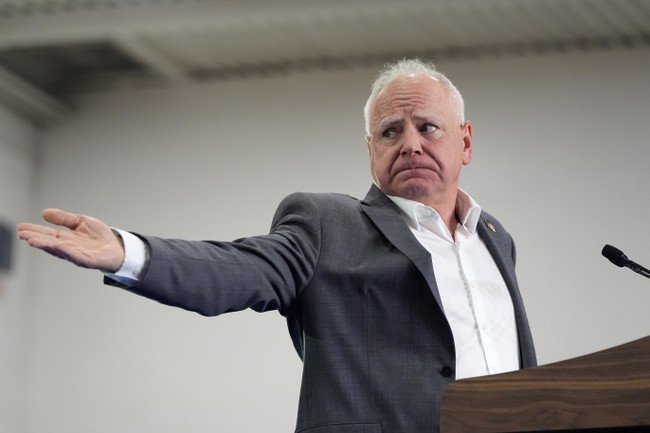
Minnesota faces a widening scandal over taxpayer-funded fraud tied to Somali-linked schemes, and critics say Gov. Tim Walz’s administration failed to stop it. Allegations include massive abuse of pandemic-era programs, a $250 million Feeding Our Future case, claims of $1 billion across programs, and warnings from whistleblowers that the total could top $8 billion. Federal investigators and GOP officials are pressing for answers as accusations fly that state officials looked the other way. This article lays out the reported scope, key quotes from officials, and the political fallout unfolding in real time.
Minnesota has long marketed itself as a prosperous state, but recent reports paint a darker picture of unchecked fraud under Gov. Tim Walz. State programs meant to help vulnerable people were exploited, critics say, and the alleged scale of abuses is staggering. The Feeding Our Future scandal alone involved $250 million, and other investigations quickly added to the tally. Lawmakers and taxpayers want to know how this was allowed to grow.
Many reports point to abuses in Medicaid Housing Stabilization Services and other assistance programs, with allegations that fraudulent funds flowed through parts of the Somali community. Investigators say some of the money was funneled out of state and, in worrying claims, to groups tied to foreign terror networks. Those allegations, if true, represent an escalation from local fraud to matters of national security and demand urgent scrutiny.
Fox News National Correspondent Garrett Tenney reported, “Fraud investigators are finding in Minnesota is growing by the day.” That assessment adds pressure on federal and state probes that are still gathering evidence. The Small Business Administration, according to reporting, uncovered at least $1 million in PPP fraud within just two days of auditing the state. Such rapid discoveries suggest deeper problems in program oversight and enforcement.
Whistleblowers have told lawmakers they believe the total fraud could exceed $8 billion, a figure that would dwarf previous estimates and represent a massive hit to Minnesota taxpayers. State auditors and federal agents are now digging through years of emergency-era program paperwork and welfare disbursements. Conservative critics argue that the pattern of missing guardrails and lax oversight points to political choices more than mere incompetence. They say taxpayers deserve accountability, not excuses.
Gov. Walz has defended the state’s record while critics accuse him of minimizing the problem. In discussing a state budget that shows a surplus, he said, “And in spite of the headwinds we’re up against, Minnesota ranks economically, economic growth, happiness, number of people insured, education levels near the very top.” That comment struck conservatives as tone-deaf given the mounting fraud allegations. His follow-up line, “If folks are going to commit crimes here, thinking because our generous spirit and our programs that we have is going to give them some kind of cover, they are sadly mistaken,” came after the scandals were public.
Republican leaders have not been shy in their criticisms. Department of Homeland Security Secretary Kristi Noem told President Trump, “That wacko Governor Walz either is an idiot, or he did it on purpose.” That blunt assessment reflects the GOP view that political leadership either failed to build safeguards or chose not to, allowing fraud to flourish. Conservatives argue that meaningful reform requires more than apologies; it needs investigations and prosecutions.
Representative comments from other figures have underscored the partisan divide. Kelly Loeffler called the situation “exactly what the Democratic socialist welfare state is.” She added that fraud thrives when officials “look the other way” and then ask taxpayers to foot the bill. Those remarks underline the political stakes and foreshadow tough oversight hearings from congressional Republicans.
Rep. Ilhan Omar faced questions about whether she had connections to beneficiaries of fraudulent schemes, and on CNN she said, “I think what happened, um, is that, you know, when you have these, kind of new programs that are, um, designed to help people, you’re oftentimes relying on third parties to be able to facilitate.” Her response emphasized rushed program rollouts and gaps in guardrails. Critics say that explanation ignores long-standing lapses in oversight and possible local ties that merit deeper inquiry.
Whistleblower accounts allege systemic failures inside the Minnesota Department of Human Services, with claims that Governor Walz was “100% responsible.” Those are serious allegations and they have accelerated calls for independent investigations. GOP lawmakers are pushing for subpoenas and federal assistance to trace the flow of funds and to identify any officials who benefited from criminal activity.
Beyond prosecutions, conservatives are demanding structural changes to prevent future fraud: stricter verification for payments, tougher auditing of third-party vendors, and stronger cooperation between state and federal agencies. The argument from the right is simple: if public programs are going to exist, they must be defended from abuse with real consequences for criminals and negligent officials alike. Without that, taxpayers will keep paying the price.
As investigations proceed, Minnesota’s political future will hinge on how aggressively leaders pursue the truth and hold people accountable. Allegations of billions lost and possible ties to extremist groups raise the bar for action. Lawmakers and citizens will watch whether the state moves from sound bites to prosecutions and policy fixes. The coming weeks promise intense hearings and tough questions for the people who ran these programs.

TREASON!!! Walz and his accomplices must face a Military Tribunal at GITMO and be hung!