
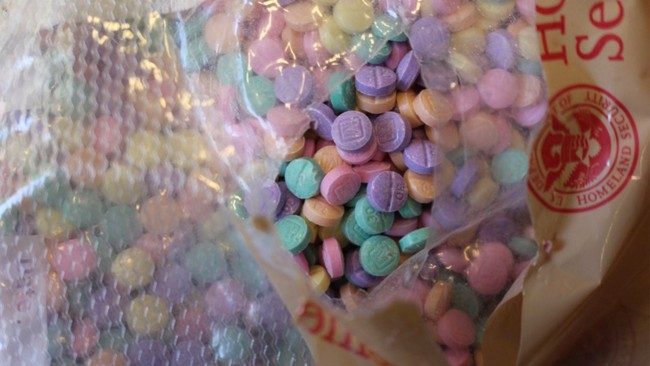
The bust of the “Family Mob” in Minneapolis shows federal and local law enforcement can coordinate and deliver results, as five alleged members now face federal charges tied to fentanyl and other drugs; the operation involved multiple agencies, early-morning raids, and accusations that the group moved enough fentanyl for millions of lethal doses, while prosecutors warn the most serious counts carry life sentences.
Minneapolis has been a tough place for law and order, and anyone paying attention knows that. This takedown is a reminder that when federal, state and local agents work together decisively, they can remove dangerous criminal networks from the streets and protect communities. Residents and business owners around Lake Street and Park Avenue have long complained about open-air markets and violent turf fights, and this case appears to hit the heart of that problem.
The alleged “Family Mob” was not a casual street-level operation; federal prosecutors say it was organized, violent and prolific. Authorities contend the defendants collectively possessed with intent to distribute more than seven kilograms of fentanyl since July 2025, which prosecutors equated to a catastrophic number of potential overdoses. That kind of scale demands a full-court press from every agency with jurisdiction.
Public safety officials described a coordinated, multi-agency response that began before dawn, with eight SWAT teams and officers from the FBI, Minneapolis Police Department, Hennepin County Sheriff’s Office and the DEA executing 14 search warrants. Those warrants reportedly targeted narcotics, firearms and records tied to the alleged enterprise, and additional arrests were made on related state charges. When operations are planned at that level, they send a clear message to organized dealers who think they can run open-air markets with impunity.
Five alleged members and associates of the “Family Mob” street gang have been charged in a major fentanyl trafficking case in Minneapolis, federal prosecutors announced Wednesday.
Three indictments and two criminal complaints were unsealed in the District of Minnesota accusing the defendants of distributing fentanyl, crack cocaine and other controlled substances in south Minneapolis.
Authorities allege the group collectively possessed with intent to distribute more than seven kilograms of fentanyl since July 2025 and operated a de facto open-air drug market near Lake Street and Park Avenue, using force to push out other dealers.
Officials named the five charged in the federal actions: Silk Lamond Davis, 48; Alexisus Jarmon Mosby, 44; Kiron Jamoll Williams, 43; Rashshon Jamahl Taggett, 44; and Lakendrick Darnell Gilliam, 38. Those arrests are a piece of a larger effort that reportedly included seven others taken into custody on state charges for a total of 12 arrests tied to the operation. Names matter in cases like this, and holding individuals accountable at both state and federal levels strengthens prosecutions.
At a press briefing, U.S. Attorney Daniel Rosen delivered a stark statistic: “Our investigation shows that combined, those charged were responsible for the distribution of enough fentanyl for more than 3.5 million lethal doses in the last seven months.” That quote puts the scale of the alleged trafficking into a blunt, unavoidable frame. For prosecutors and families alike, statistics like that are not abstract; they represent lives lost or at risk.
If convicted, the defendants face penalties of up to life in prison on the most serious drug trafficking charges.
“Our investigation shows that combined, those charged were responsible for the distribution of enough fentanyl for more than 3.5 million lethal doses in the last seven months,” said U.S. Attorney Daniel Rosen at a press briefing.
He told reporters that seven others were also taken into custody on related state charges, bringing the total number arrested to 12.
Rick Evanchec, interim special agent in charge of the FBI’s Minneapolis field office, said the coordinated operation to dismantle the “Family Mob” gang involved a sweeping, multi-agency effort across the metropolitan area.
Before dawn, eight SWAT teams and law enforcement personnel from the FBI, Minneapolis Police Department, Hennepin County Sheriff’s Office and the Drug Enforcement Administration (DEA) executed 14 search warrants targeting narcotics, firearms and other evidence tied to the alleged criminal enterprise.
Life sentences are on the table when the federal counts stick, which underlines the severity of the alleged conduct. These are not victimless offenses; fentanyl distribution has fueled a national overdose crisis and destructive local trends. Prosecutors pursuing the toughest penalties reflect a belief that only severe consequences will deter high-volume traffickers.
This episode also offers a lesson in interagency cooperation. The operation shows state and federal partners can set aside bureaucratic friction and act together to secure outcomes that make neighborhoods safer. It also highlights the need for sustained pressure, not one-off raids, to ensure other networks and competing dealers are disrupted and prosecuted.
The city’s leaders and law enforcement need to keep that momentum going. The community wants results and a return to normal commerce and public life along corridors scarred by open-air drug markets. Arresting a handful of high-profile suspects helps, but it must be part of a broader strategy that includes prosecutions, prevention and support for victims of addiction.


Add comment