
The new city tenant advocate, Cea Weaver, became the focus of a public controversy after being asked about her mother’s expensive Nashville home and breaking into tears; the exchange exposed tensions between her radical rhetoric and personal connections, sparking debate about qualifications, consistency, and the direction of the Mamdani administration.
Cea Weaver was appointed director of the Mayor’s Office to Protect Tenants with a stated mission to hold landlords accountable and ensure tenants live in safe, clean homes. Her background includes leadership roles in tenant activism and work tied to landmark tenant-protection legislation, which supporters praise as closing landlord loopholes. That resume helped secure her spot in the new administration, and the appointment was publicly lauded. But the optics of her past comments and family ties shifted attention quickly from policy to personal consistency.
The moment that crystallized the controversy came when a reporter asked Weaver about her mother’s house in Nashville, an expensive property in a gentrifying area, and Weaver responded by crying and saying “No.” The emotional reaction was widely shared and replayed, and it fed a narrative that Weaver’s public ideology about property and ownership clashed with her private connections. The scene left many observers asking whether ideological purity is compatible with the kinds of complex personal histories public officials often carry. For critics, the tearful response underscored a disconnect between rhetoric and real-world circumstance.
Weaver’s prior public statements have been controversial and blunt. One widely cited line reads: “Private property including and kind of ESPECIALLY homeownership is a weapon of white supremacy.” Those words, exact and unaltered, have been used repeatedly by opponents to argue that she favors extreme measures against private property rights. Supporters say the quote is being taken out of context and that Weaver’s focus is on fairness in housing, not confiscation. Regardless, the phrase has become central to the debate over whether she is suited to administer policies that affect millions of New Yorkers’ homes.
Her critics, speaking from a perspective that values property rights and practical governance, argue that someone who casts private ownership in such ideological terms should not oversee tenant policy in a city where property and landlord-tenant relationships are complicated. They point out that the role requires balancing tenant protections with property owners’ rights, enforcing building codes, and managing large budgets. Appointing an ideologue known for inflammatory language risks politicizing enforcement and alienating stakeholders needed for workable solutions. The broader worry is that governance requires compromise, not rigid dogma.
Supporters counter that Weaver’s experience fighting predatory landlord practices and pushing tenant protections demonstrates a record of tangible results, and that changing systems often demands sharp rhetoric to mobilize action. They argue that her work helped pass laws protecting tenants from exploitative practices, and that such victories justify bold talk. Still, even sympathetic observers acknowledge the public relations problem created when high-minded critiques of ownership are paired with family property holdings. That mismatch invites headlines and undermines public trust at a delicate moment for the new administration.
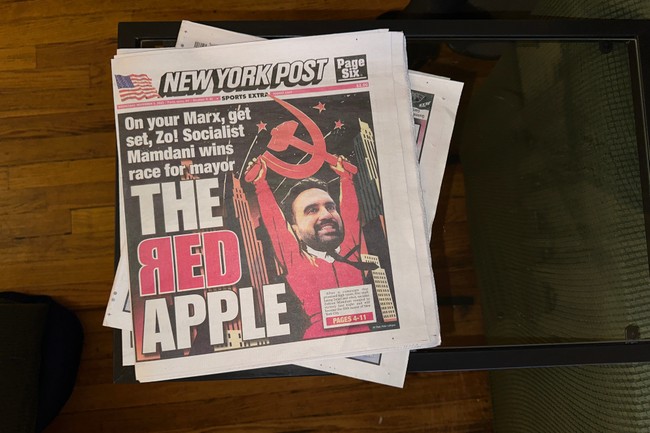
The episode also reflects on Mayor Zohran Mamdani’s judgment in staffing. Appointing a passionate activist can energize a base but raises questions about administrative competence and political balance. Critics say the choice signals a preference for ideology over managerial experience, and they worry about the ramifications if policy becomes driven by rhetoric rather than data and casework. Supporters insist that bold leadership was what the administration promised, but the backlash shows how quickly lofty promises can collide with everyday realities of governing a complex city.
Beyond personalities, the story touches on larger issues in urban politics: gentrification, racial dynamics in homeownership, and how to balance tenant protections with property investment that sustains housing stock. Those debates are legitimate and need policy-focused airing, but they suffer when the messenger appears inconsistent. The capacity to make sound policy depends on credibility, clear priorities, and the ability to work across divides—things critics say are at stake when a public official’s private life and public pronouncements seem at odds.
At the core, voters and stakeholders want officials who can translate principles into enforceable, fair rules without theatrics that distract from solving real problems. Officials who embrace transformation must also show they understand practical constraints and respect property rights as well as renters’ rights. The Weaver episode is a reminder that public trust is fragile; how the administration responds will shape whether it can move beyond headlines to deliver measurable improvements in housing and tenant protections.
The reaction to the Nashville house revelation has not faded, and the debate over Weaver’s suitability remains active across political and civic lines. Those monitoring the situation will be watching whether the administration clarifies its approach and whether Weaver can shift attention back to concrete policy outcomes. Meanwhile, the optics lesson is clear: ideological zeal and personal circumstances will be scrutinized closely in the era of viral accountability.



Add comment