
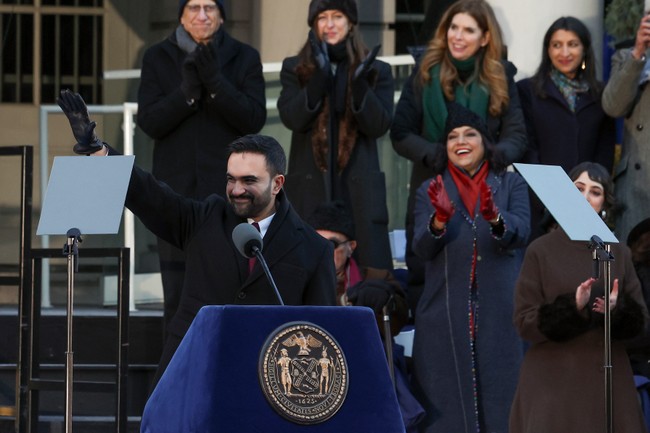
Zohran Mamdani’s first week as New York City’s mayor has ignited sharp debate over his appointments and policies, especially the selection of Cea Weaver as Tenant Advocate and plans to freeze rent for roughly one million regulated apartments. Critics point to past social posts and activist ties, while supporters frame the moves as bold remedies for a housing crisis. This article lays out the key personnel choices, controversial comments, and the policy moves that are already reshaping the city debate.
Voters who backed Mamdani expected sweeping progressive change, and he delivered on staffing that signals a full tilt left. He has named several allies to influential roles, prompting scrutiny from landlords, tenants, and civic groups alike. These hires are being read as more than personnel decisions; they are statements about the administration’s priorities and approach to property and public safety.
Cea Weaver, tapped as Tenant Advocate, has become a lightning rod because of social media posts discovered from 2017 and 2018. One line that people keep quoting is, “Private property including and kind of ESPECIALLY homeownership is a weapon of white supremacy.” Those words are now central to arguments accusing the new administration of antagonizing middle-class aspirations and private investment.
Weaver’s record also includes activism with tenant organizations and work pushing for stronger rent stabilization laws in Albany, along with campaign advising for Mamdani. Critics note her calls to “Elect more communists” and sharp anti-police commentary, including the 2020 post, “The Police Are Just People The State Sanctions To Murder W[ith] Immunity.” Supporters say those remarks reflect anger at systemic problems rather than an agenda to dismantle property rights.
The reaction from property owners has been immediate and blunt. Humberto Lopes, founder and CEO of the Gotham Housing Alliance, described the administration’s approach as misguided and warned that policies aimed at squeezing landlords will backfire. “Without landlords how [to] do you build and maintain housing? You think the government is going to do it? Look at NYCHA,” he asked, framing the debate around who bears the cost of maintenance and new construction.
Mamdani is pushing to freeze rent for roughly one million rent-regulated apartments, a proposal that would require Rent Guidelines Board approval to take effect. He also signed an executive order launching “Rental Ripoff” hearings across all five boroughs within his first 100 days, directing multiple agencies to coordinate reviews and public sessions. Those moves signal an aggressive use of government power to reshape housing markets in the city’s favor.
The new administration has also raised eyebrows with several other appointments, including a Fire Department leader without firefighting experience and advisors with controversial past statements. Observers say those picks underscore a pattern: prioritizing ideological loyalty and campaign ties over traditional experience. For critics that pattern suggests risk for essential services and long-term city management.
Landlords warn that aggressive regulation and public hearings will discourage investment and reduce the stock of safe, well-maintained housing. From their perspective, policies that treat private ownership as the problem ignore the practical economics of building and maintaining apartments. They point to public housing struggles as a cautionary example of what happens when responsibility for housing shifts fully to government hands.
Tenant advocates and progressives counter that strong action is overdue after decades of rising rents and limited affordability. They argue that freeze proposals and expanded oversight are tools to protect vulnerable renters from displacement and predatory practices. But even some advocates worry that sweeping freezes without supply-side measures could produce shortages or unintended consequences.
Expect political heat to build as hearings kick off and appointments settle into city government. The administration’s early record already makes housing and tenant policy the central battleground for Buenos Aires-style reformers and property-rights defenders. As debates move from social media into official meetings and legal fights, the practical outcomes for landlords, renters, and the city’s fiscal health will matter more than slogans.
Whatever the next steps, the Mamdani era promises a rough-and-tumble contest over the future of housing in New York City. With rent policy, agency control, and personnel decisions all in play, the public will soon see whether these measures fix the affordability crisis or create new problems for residents and property owners alike.


Add comment