
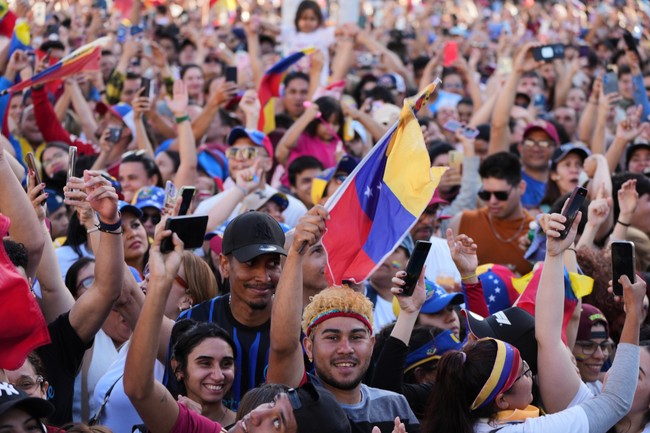
The controversy over the capture of Nicolás Maduro has exposed glaring contradictions from many on the Left, with Democrats and pundits loudly criticizing an operation they once demanded in words but not in deeds. This piece lays out who complained, how their past statements conflict with today’s outrage, and why the timing and secrecy of a surgical mission mattered for success. It contrasts rhetoric with reality and highlights how political posturing can undermine national security priorities and the fight against drug trafficking. The focus stays squarely on the reactions, the prior statements that contradict them, and what those contradictions reveal about modern Democratic politics.
When reports surfaced that a U.S. special operations mission captured Venezuelan leader Nicolás Maduro, predictable anger from the Left followed immediately. For months the narrative has downplayed the flow of fentanyl and tied drug interdiction to softer rhetoric, yet critics turned instant and loud. That mismatch between past insistence on action and present outrage is the core hypocrisy playing out across media and politics.
The Lincoln Project led an early chorus of condemnation, and their response is telling because it mirrors a broader pattern: if President Trump does it, many commentators reflexively oppose it. Rick Wilson’s contributors and equivalents offered swift criticism without reconciling prior positions that urged forceful measures against Maduro’s regime. That selective memory shows how partisanship often trumps consistent foreign policy thinking.
Former Biden official Pete Buttigieg also chimed in, sounding off in the way the administration’s supporters often do—quick to condemn tactical execution while ignoring strategic aims. The real question is why a person or party would oppose the exact outcomes they once demanded. That cognitive disconnect is not new, but it’s especially stark when it involves national security operations that require discretion to succeed.
In Congress, Senator Chris Murphy voiced alarm over the seizure, but his outrage clashes with earlier statements supporting strong pressure on Maduro and restoring democracy in Venezuela. When anchors dug up his past words, the flip was glaring: calls for action turned into objections the moment those actions were carried out by an opposing administration. Political theatre often wins over consistent foreign policy until the optics shift the other way.
Senate Minority Leader Chuck Schumer followed suit, publicly rebuking the mission even though he previously criticized inaction toward Maduro. Schumer’s demand for longer congressional process ignores the reality that prolonged debate would have alerted Maduro and likely doomed a surgical operation. Shouting about oversight after a successful covert action misses the point that secrecy and speed often save lives and produce results.
There are two problems with the Schumer posture: one, it pretends oversight is the primary rationale for delay rather than politics; and two, it contradicts a prior stance urging exactly the kind of pressure that led to Maduro’s removal. That’s what makes the complaint less about principle and more about partisan advantage and optics.
The Biden administration’s public posture on Maduro was heavy with promises but light on action, and now officials feign surprise that decisive moves were made. Words about wanting Maduro out were plentiful during the prior administration, but concrete steps were scarce. The current uproar from Democrats reads like frustration that someone else executed an operation they wished had been theirs to claim politically.
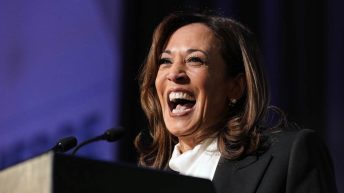
Former Vice President Kamala Harris suggested motives like empire building or oil grabs, dismissing the clear counterargument that Maduro was captured on drug trafficking charges. Her rhetoric ignores the reality that Maduro had been accused and brought to the U.S. to face legal consequences. When legal accountability for transnational crimes is in play, claims of imperialism ring hollow unless tied to solid evidence.
Senators and commentators who now object to a successful removal ought to reckon with why secrecy mattered: announcing plans in advance would have let Maduro escape, fortify, or turn the operation into a bloodbath. That basic operational logic seems lost on those eager to score political points and to complain about a mission that achieved its objective without U.S. military casualties.
At bottom, the episode exposes how the Democratic Party often prefers the comfort of rhetorical positioning over the risks of real action. They craft narratives for campaign seasons and media cycles, but when an administration acts decisively—especially one they oppose—their instinct is to criticize the means rather than engage on substance. That pattern undermines credibility on foreign policy and national security.
The fallout from this episode will play out across hearings, cable panels, and op-eds, but the immediate takeaway is straightforward: words without action invite convenient hypocrisy. If the aim is to curb drug trafficking and provide justice for transnational criminals, consistent pressure and support for effective operations matter more than partisan chest-thumping. Observers should demand coherence from those who claim the moral high ground on these issues.

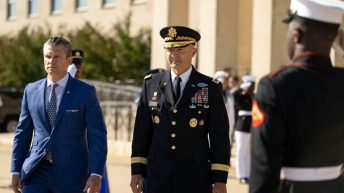
The Left are mostly demented off the wall maniacs that stick up for evil Satan worshiping drug cartel members who push illegal narcotics upon the public killing hundreds of thousands of people here in America per year! They would rather see more teens get hooked on drugs and die than see these devils behind the Drug Cartel Machine like Maduro pay for their evil crimes with even the Death Penalty that he deserves! The Left can go jump into the Lake of Fire because that is what they have chosen over goodness and doing what is right!