
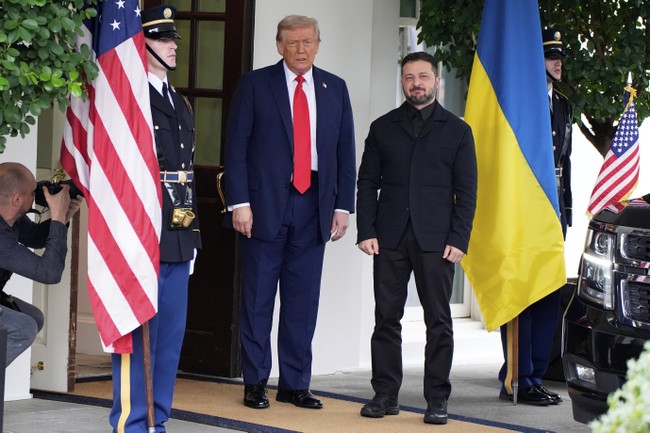
The article examines recent leaks that appear aimed at undermining Trump administration efforts to broker peace between Russia and Ukraine, arguing that internal actors may be sabotaging negotiations and that President Trump’s envoys deserve credit for progress despite pushback from entrenched elements in Washington.
Talk of a possible thaw in the Russia-Ukraine conflict has been circulating, and there are signs the negotiations have advanced beyond earlier deadlock. Serious diplomacy involves messy back-and-forth and difficult choices, and this administration’s envoys have been pushing to find a workable path to halt the bloodshed.
At the same time, a steady stream of leaks from Washington has surfaced, shedding internal conversations into public view and complicating the fragile trust required for talks. Leaks can derail negotiations by exposing tactics, bluffing, and compromises before the parties are ready to accept them.
First, a leaked:
Steve Witkoff serves as the administration’s special envoy for Middle East and peace negotiations, and calls between envoys and counterparts are routine at this level. Discussing strategy with allies or counterparts is normal when trying to shape a durable settlement, so the fact of the call itself is not scandalous. The question is why this conversation was disclosed and who benefits from making private planning public at this stage.
Leaks that expose negotiating moves often have the effect of hardening positions, making it harder for either side to save face while conceding territory or security guarantees. The first proposals that surfaced were rejected by Ukraine and its neighbors, so negotiators had to regroup and look for alternatives that could pass political muster. That process requires discretion.
In recent days there have been reports of incremental breakthroughs, suggesting negotiators may be finding pragmatic options to reduce the fighting. Movement is promising but fragile, and premature disclosure can undo fragile progress by fueling domestic opponents or emboldening spoilers. Diplomacy frequently advances in fits and starts; the current stage calls for quiet work, not theatrics.
So why would someone leak details now, and to what end? One plausible explanation is that actors within the federal bureaucracy who oppose a Trump-brokered settlement stand to gain by undermining him politically. The Deep State, as critics often put it, has incentive to frustrate a high-profile foreign policy win for a president they oppose, especially if that victory would reshape geopolitical narratives.
Another possibility is that a foreign actor leaked material to manipulate perceptions, but that seems less likely given the domestic political stakes and the apparent aim of embarrassing the administration. The pattern of disclosure and commentary suggests internal actors who want to ensure talks collapse or are politically toxic for the White House.
Conversations at this level touch on leaders’ ambitions, red lines, and the mechanics of implementation, so exposure can be poisonous. Envoys need to test ideas with counterparts, explore compromises, and coordinate implementation steps without the glare of headlines. Leakers who do so deliberately risk prolonging conflict and costing lives for short-term political advantage.
The Secretary of State publicly criticized a “fake news” item about the negotiations on his personal X account, which underscores how quickly rumor and narrative can spin out of control in the modern media environment. Public officials now compete with factional journalists and inside sources for control of the story, and leaking has replaced deliberative transparency in some corners.
If a formal cease-fire or peace deal takes hold, a large share of the credit will belong to negotiators who stayed at the table amid noise and disruption. That work is painstaking and often thankless, and it takes courage to pursue compromise when partisan actors try to exploit every misstep. The opposition from embedded bureaucrats or anti-administration operatives should not obscure the positive signs of diplomatic progress.
What these developments reveal is that political warfare at home can directly affect the chance of peace abroad, and the choice to leak is rarely neutral. Whoever is behind these disclosures, their action serves as a reminder that peace efforts can be sabotaged from within, and that holding negotiation channels private until agreements are secure is a practical necessity.

Add comment