
Checklist: critique Ro Khanna’s political positioning; describe his comments about Elon Musk and USAID; report Musk’s response and threat of lawsuit; include Khanna’s shift to seeking a debate; preserve direct quotes and embeds.
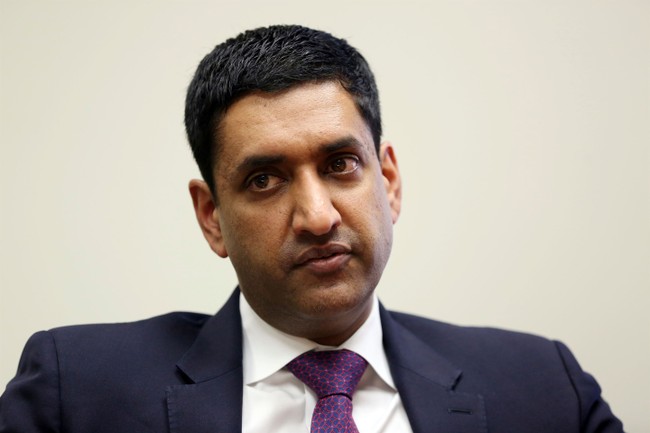
Ro Khanna, a Democratic congressman from California, pushed a confrontational line toward Elon Musk that has landed him under fire and exposed tactical missteps for anyone eyeing higher office. He publicly suggested aggressive investigations and made dramatic claims about funding cuts, which prompted a sharp response from Musk including a threatened lawsuit. Khanna then pivoted from threats to proposing a debate, a move that looks more like damage control than leadership. The episode highlights how public attacks on high-profile figures can backfire politically and legally.
Khanna has championed policies that appeal to the hard left, including proposals around redistribution and a wealth tax, and he has courted controversial allies. That posture may win applause from a certain base, but it risks alienating moderate voters needed in a general election. His public statements about wealthy individuals funding Democratic priorities have been especially pointed, and critics have asked why a well-off politician himself does not personally bankroll some of those initiatives.
In recent posts Khanna insisted Elon Musk should be “subpoenaed” and investigated for decisions involving USAID and what Khanna called DOGE, or the Department of Government Efficiency. He said Musk had “possibly sentenced” 4.5 million children to death by dismantling USAID, a claim that quickly drew condemnation and legal threats. The rhetoric moved from policy critique to personal accusation, and the legal stakes rose accordingly when Musk signaled he would not let those assertions go unchallenged.
Under pressure, Khanna shifted tone and offered to debate Musk rather than face a lawsuit, a reversal that read as an attempt to defuse a rapidly escalating dispute. Reports noted Khanna’s about-face as he framed the choice as one between free speech and lawfare, saying, “I am for free speech, not lawfare,” he claimed. That line was meant to reclaim moral high ground, but it arrived after he had already proposed subpoenas and accountability measures that sounded like legal retaliation.
Khanna also framed himself as someone who had “stood up to the Epstein class,” using that phrasing to bolster his image as a fighter against elite corruption. Yet critics point out he previously made allegations tied to the Epstein matter that implicated men who were later shown to be innocent, undermining that toughness claim. When a public figure trades in dramatic accusations, the risk is that credibility evaporates fast if the facts don’t back the rhetoric.
Elon Musk responded to the accusations with a direct denial and detailed explanation about the funding decisions in question, stressing that lifesaving aid was preserved and that DOGE had only sought contact details to verify recipients. Musk wrote that “All DOGE required was contact information of the recipients to confirm that funding was not fraudulent. No validated medical funding was stopped. Anything that appeared to be legitimate lifesaving funding continued and is now administered by the State Department. If anyone had actually died as a result of DOGE, their names would be worldwide headline news!”
The exchange made clear that Musk preferred to focus on outcomes and facts rather than partisan attacks, while Khanna opted for dramatic claims that escalated the conflict. From a legal perspective, threatening to subpoena and investigate a private individual over policy choices invites countersuits and public relations headaches. From a political angle, it can look like overreach, especially when the accused is a highly visible, well-resourced figure.
https://x.com/RoKhanna/status/2069154308055093598
Khanna’s position as an elected official complicates the optics further; he is the one with subpoena power and the ability to pursue investigations, so voters have reason to scrutinize any suggestion he might weaponize government tools against private citizens. Critics accused him of hypocrisy, saying he embraced lawfare when it targeted others but objected when litigation came his way. That contrast matters for anyone claiming to defend free speech while simultaneously calling for legal action.
The back-and-forth also highlighted how quickly a local or intra-party dispute can become national news when it involves a billionaire and an elected representative. Khanna’s political calculations—tapping into leftist priorities and high-profile controversies—may energize some supporters, but they also risk creating a steady stream of headlines that highlight missteps. Voters evaluating his chances beyond a primary will judge whether those headlines demonstrate leadership or recklessness.
Meanwhile, Musk continued to focus on his companies and public projects, maintaining a posture of productivity rather than prolonged public sparring. The clash ended, at least temporarily, with Khanna proposing a debate instead of immediate litigation, and with Musk laying out a factual defense of his decisions. How this episode affects Khanna’s long-term prospects will depend on whether voters see it as a bold stand or an unnecessary escalation that exposed poor judgment.
“Today, Elon Musk threatened to sue me, and he called on the Justice Department to put me in prison.
That’s right. The world’s richest person has spent all day tweeting, going after me. Why? Because I cited an academic study that his DOGE cuts may lead to the deaths of millions of children overseas.You know, Elon, I thought you were a free speech guy.

Add comment