
Iran has reportedly launched missiles at Qatar’s Ras Laffan Industrial City, igniting major fires at a key liquefied natural gas hub and prompting swift diplomatic and emergency responses. The attack hits at a vital energy node with global market implications and raises immediate questions about Qatar’s next moves and regional fallout. Emergency teams were deployed, QatarEnergy is monitoring the situation, and diplomatic expulsions have been signaled as tensions spike. This developing incident could reshape energy flows and alliances in the Gulf at a tense moment.
There is no telling what acts might be taken by desperate men with weapons. In just such an example, what’s left of Iran’s military forces just launched an attack on Qatar, a Gulf state that has been friendly to Iran over the years. A major industrial center, the Ras Laffan Industrial City, has been attacked with missiles and .
have already hit X, the world’s bulletin board.
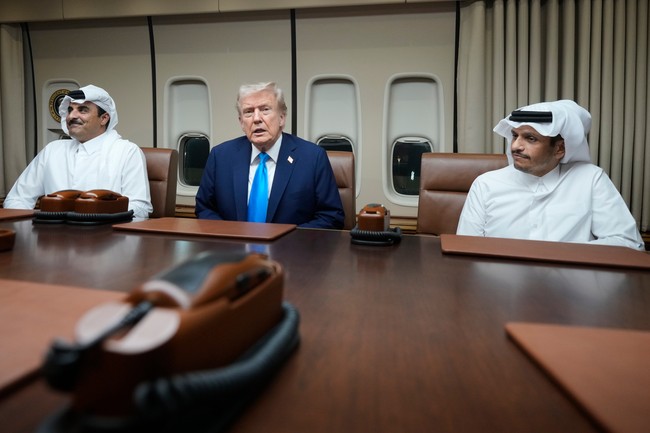
Well, Iran did target Qatar’s energy structure. We might note that last September, President Trump hosted Qatar’s Prime Minister, Mohammed bin Abdulrahman Al Thani, on Air Force One for a meeting to discuss the usual “joint concerns.” Could Iran see that as Qatar now cozying up to the United States?
There are, reportedly, extensive fires at the Ras Laffan Industrial City after the attacks:
The post continues:
Emergency response teams were deployed immediately to contain the resulting fires, as extensive damage has been caused. All personnel have been accounted for and no casualties have been reported at this time.
QatarEnergy will continue to communicate the latest available information.
The Ras Laffan Industrial City is a major lynchpin of Qatar’s economy. It is a primary production center for natural gas as well as natural gas liquification for export, hosting several local and international energy firms and sprawling port facilities. Damage there would not just hurt Qatar’s revenues, it could tighten global LNG supplies and push prices higher just when markets are already nervous. Any sustained disruption would ripple across energy markets and national security calculations for importing nations.
The immediate diplomatic signal was sharp: expulsions of diplomatic staff and other retaliatory moves were floated quickly. :
That’s right; that’s a very significant diplomatic move when you kick another nation’s diplomatic staff out of your country. It’s a clear escalation that forces a choice: de-escalate through back channels or respond publicly and forcefully. Qatar now faces a delicate balancing act between protecting its people and infrastructure and managing relations with neighbors and Washington.
As for Iran, the regime’s behavior reads like a government intent on making enemies across the region rather than consolidating influence. In the face of mounting pressure, these strikes appear driven less by strategic gain and more by desperation. That recklessness risks drawing other states into direct confrontation and complicates the efforts of responsible powers trying to steady the Gulf.
Energy security and regional stability are intertwined, and attacks on energy nodes are attacks on global markets and civilian livelihoods. If Ras Laffan’s facilities are impaired, importers will scramble, contracts will be strained, and governments will face tough choices about stockpiles and price relief. The United States and other allies will have to weigh the costs of deterrence, protection of shipping lanes, and the political will to respond to provocations that jeopardize the free flow of energy.
Emergency services in Qatar reported all personnel accounted for and no casualties at this time, but damage assessment will take days and possibly weeks. Rapid containment of the fires is the immediate priority, followed by engineering surveys and international coordination on energy supplies. Meanwhile, diplomatic cables will be burning as capitals decide whether to pressure Tehran, shore up Qatar, or both.
These events underscore how fragile stability is in the Gulf and how far-reaching the consequences can be when a hostile actor targets civilian energy infrastructure. Policymakers must face the reality that permitting such attacks without a decisive response invites more of the same. The coming days will show whether Qatar and its partners can blunt the impact and reassert security in a region critical to the global economy.


Add comment