
Quick summary: This article explains that Temporary Protected Status for Haitians and Syrians ends this Monday, outlines ICE plans for focused interior removal operations in states like Ohio and Florida, preserves the exact quoted agency and court language, and examines the political and logistical fallout for communities and policymakers as deportations begin.
The end of Temporary Protected Status for Haitians and Syrians arrives Monday, and federal enforcement is gearing up. Immigration and Customs Enforcement has reportedly developed targeted operations aimed at removing Haitians who will lose their TPS designation. Officials indicate regions of focus include Indiana, South Florida, and Ohio, where sizable Haitian populations live and work.
U.S. Immigration and Customs Enforcement (ICE) plans to dramatically ramp up operations to locate and arrest Haitian nationals whose Temporary Protected Status (TPS) is expected to end imminently, multiple federal sources told Fox News.
The expanded operation is expected to begin as soon as this week.
The Supreme Court ruling in Mullin v. Doe cleared a legal pathway for the administration by limiting judicial review of most statutory challenges to TPS terminations. The Court also said the constitutional claim that the termination for Haiti was racially motivated “will likely fail,” a statement that bolsters the current enforcement posture. That decision shifts the debate from the courts back to Congress and the administration for policy solutions or enforcement action.
issued its decision in Mullin v. Doe, holding that most non-constitutional (i.e., statutory) challenges to Temporary Protected Status (TPS) terminations cannot even be heard by federal courts. Additionally, the Court held that the constitutional claim, that the decision to terminate TPS status for Haiti was based on racial discrimination, “will likely fail.” This constitutes a major win for the Trump administration in the immigration arena and will have significant implications for TPS going forward.
Lawmakers tried to intervene, with House efforts and messaging around extensions or relief, but no lasting grace period materialized. Messaging from some advocates suggested a window of leniency that never became official policy, leaving many families scrambling. With the legal deadline set, federal agencies are moving from planning into action.
Details on how the operations will unfold remain limited in public reporting, but local communities are anxious. Reports describe plans to locate and arrest migrants in cities with visible Haitian communities and to expedite removal flights to Haiti. That approach is framed by supporters as enforcement of immigration law and by opponents as harsh given conditions in Haiti.
The plans include arresting migrants in Ohio — where large Haitian communities in cities like Springfield have been targeted by President Trump and conservative politicians and commentators — and quickly putting them on deportation flights to crisis-stricken Haiti, the internal documents indicate. During the 2024 presidential campaign, Mr. Trump amplified baseless claims that Haitians in Springfield were eating cats and dogs.
The internal plans for a potential arrest and deportation blitz have been made as more than 300,000 Haitians prepare to lose deportation protections and work permits under the Temporary Protected Status, or TPS, program.
https://x.com/CBSNewsATL/status/2081454561886106013
Administrative officials declined to discuss operational details, citing the need to protect ongoing or future missions. The Department of Homeland Security framed TPS as having been used as a “defacto amnesty program” and urged those losing status to self-deport. That language signals a firm enforcement stance consistent with a prioritization of border and interior control.
From a Republican viewpoint, the move underscores a broader commitment to enforcing immigration laws and restoring order to immigration policy after what critics describe as years of loose enforcement. Supporters argue this is about rule of law and protecting American jobs and communities. Opponents counter that removing hundreds of thousands of people during crisis conditions in their home country will create humanitarian and logistical problems.
Local officials and community organizations face immediate pressure to respond, balance public safety with humanitarian concerns, and prepare for potential disruptions at workplaces and schools. Employers who relied on TPS work authorizations will need to adjust, and families face sudden uncertainty about housing, healthcare access, and children’s stability. City leaders must weigh cooperation with federal authorities against community pushback and protests.
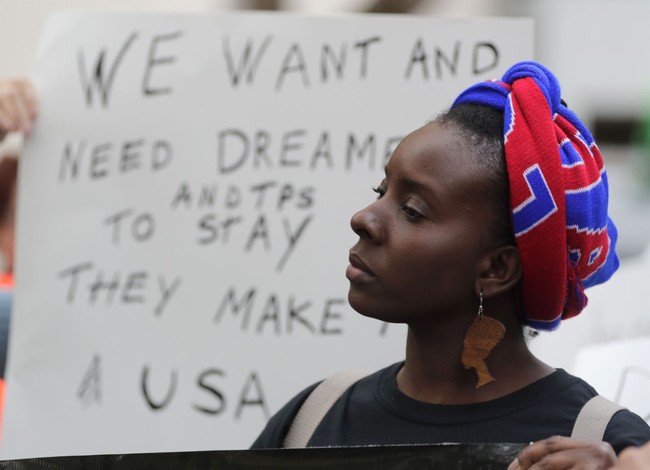
Protest activity and organized resistance remain likely in areas with large immigrant communities, so the timing and secrecy of operations will be important to federal planners. Law enforcement aims to minimize interference and maintain safety around detainment and transfer points. Still, the risk of clashes between activists and enforcement teams is high, and local governments are bracing for that reality.
Policy implications extend beyond immediate removals. Congressional debates over TPS law, the scope of executive authority, and possible legislative fixes will intensify. Republicans will emphasize border security and the need for clear, enforceable immigration rules, while Democrats and advocates will push for protections and relief mechanisms for vulnerable populations. The political fight is set to follow the enforcement actions into the midterm season.
Communities directly affected will face the human consequences first: disrupted families, lost incomes, and complicated legal fights. Policymakers and voters will see the operational and political outcomes in real time, and those outcomes will shape arguments over immigration reform going forward. As enforcement begins, the national conversation over how to balance compassion with the rule of law will sharpen and likely dominate headlines.



Add comment