
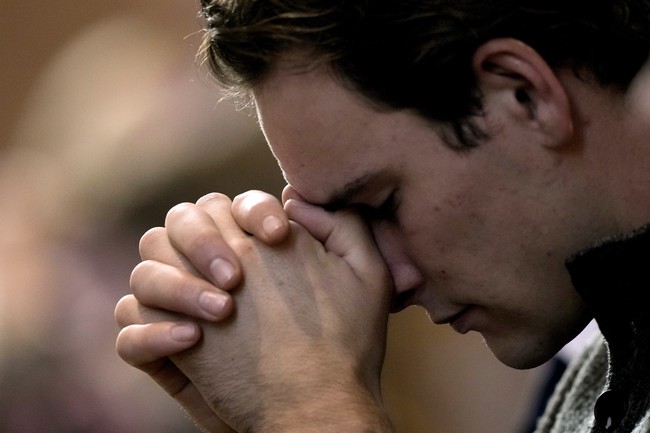
Alina Habba Vows DOJ Will ‘Come Down Hard’ on Minnesota Church Invaders, Target Funders
The Justice Department says it will enforce federal law after anti-ICE demonstrators stormed a church service in St. Paul, disrupting worship and prompting vows from Senior Adviser Alina Habba that organizers and funders will face consequences. Officials point to the FACE Act and civil protections for houses of worship, and the DOJ says it will investigate both the people who rushed the sanctuary and those who bankroll such operations. This story focuses on legal exposure, the government’s stated enforcement priorities, and the broader law-and-order perspective that state and federal authorities should protect places of worship. I report the developments, quotes, and the DOJ’s stated approach while preserving the key statements made by Habba and others.
The break-in at a church service in Minnesota crossed a clear line between protest and criminal interference, and the Justice Department indicated it intends to treat it that way. Disrupting worship hits at basic civic norms, and it triggers federal statutes designed to stop exactly this kind of behavior. From a law-and-order viewpoint, the government is right to make an example of those who convert protest into intimidation inside a house of worship.
Alina Habba, Senior Adviser to the Attorney General, made the stakes clear on national television, arguing the Department will scrutinize everyone involved. She framed the action as a legal violation that goes beyond speech and into obstruction of religious practice and safety. That framing aligns with the FACE Act’s protections and with the DOJ’s traditional role in defending access to religious services.
The department launched an investigation after dozens of agitators burst into the Cities Church sanctuary during a service, attendees of the church told Fox News Digital. The mob stormed the building believing that one of the pastors was the acting director of ICE’s St. Paul field office.
“The FACE Act is a long-standing federal statute that prohibits force, threats, obstruction, any kind of interference with a religious place of worship. And it carries criminal penalties and violations,” Habba said Monday on “Fox & Friends.”
Actions that move from protest to force or threats are no longer protected by the First Amendment, and federal law draws that line. Authorities reiterated that point while promising an investigation that will not be symbolic. The clear message from the DOJ is that impeding worshippers or using intimidation in religious spaces carries criminal exposure and potential civil liability.
Beyond the immediate arrests and potential prosecutions of those who entered the sanctuary, Habba said the department will track down who funds and organizes these mass protests. She signaled that backers who bankroll disruptive campaigns that put people at risk could be targeted for enforcement or legal action. That warning points at a broader strategy: deterring not just the foot soldiers of chaos but the shadowy financiers who enable them.
You are on notice. 🔨
For law-abiding citizens who value both protest and peace, this is a straightforward stance: protest rights are protected, but not when demonstrations become coordinated campaigns to intimidate, obstruct, or endanger. The DOJ’s posture echoes that balance and places emphasis on enforcing the FACE Act against actors who cross the line. This pragmatic approach prioritizes public safety and the sanctity of religious observance.
Officials emphasized that consequences will extend beyond on-the-ground participants to leaders and organizations directing tactics that block worship or harass people. Habba explicitly warned that Attorney General Pam Bondi would “come down hard on anybody who tries to impede or intimidate somebody in a place of worship or a police officer or an ICE officer.” She reinforced the administration’s intolerance for tactics that amount to intimidation or obstruction, not lawful dissent.
That promise of enforcement arrives amid reports of additional troubling behavior at recent anti-ICE actions, including alleged harassment of private citizens and attacks on journalists. Those incidents build a pattern that makes it easier for prosecutors to demonstrate a sustained campaign rather than isolated protest. From a prosecution standpoint, a series of coordinated disruptions increases the likelihood of federal involvement and civil remedies.
Federal statutes like the FACE Act are designed to be broad enough to protect both clinics and houses of worship from obstruction and threats, and the DOJ’s invocation of that law places these incidents squarely within federal jurisdiction. Prosecutors can pursue criminal penalties for interference as well as civil claims that seek damages or injunctions to prevent repeat behavior. The legal toolkit is clear; the question now is whether enforcement follows through with the force of law.
From a conservative, pro-law perspective, the expectation is simple: government should protect citizens’ ability to worship without fear and should hold accountable those who turn protest into mob action. The DOJ’s public warnings, the invocation of federal statutes, and the pledge to look into funders send a consistent message that disruptive, intimidating tactics will not be tolerated. If authorities follow through, organizers and sponsors of violent or obstructive demonstrations will find themselves facing serious legal consequences.
Add comment