
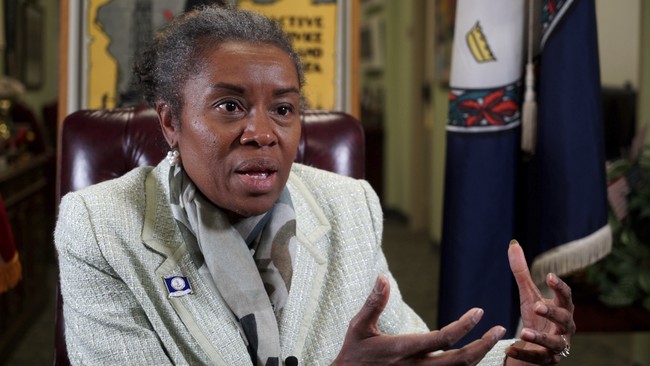
This piece examines how pundits blamed Democratic losses on candidates being women, highlights the real reasons voters are unhappy with specific candidates, and notes Winsome Earle-Sears’s pointed response to that narrative.
The tight gubernatorial contests in New Jersey and Virginia have Democrats on edge, and that anxiety shows in the takeaways some in the media are offering. Instead of looking at policy stumbles and candidate baggage, some commentators jumped to a simpler explanation: sexism. That shortcut ignores the real, concrete weaknesses that matter to voters.
New Jersey’s contest with Mikie Sherrill in a close race and Virginia’s tightening over Abigail Spanberger have pundits scrambling for narratives. On Morning Joe, hosts praised the idea of strong Democratic women while also suggesting that nominating women might explain past losses. That mix of cheerleading and excuse-making is worth unpacking.
When hosts framed the problem as being about gender, they pointed to Hillary Clinton and Kamala Harris as past examples of candidates who didn’t win and implied voters were repeating a pattern. The commentary included the exact line, “Other countries have no problem electing women!” which tried to tie candidate struggles directly to misogyny. Those lines sound compelling until you look at the specifics of each campaign.
There are real, traceable reasons candidates struggle that have nothing to do with gender. Personal history, political track record, scandals, and message discipline all shape voter opinion. Voters weigh competence, clarity, and trustworthiness over identity when deciding who best represents their interests.
Hillary Clinton carried a long record that included controversies that shaped perceptions of her judgment and transparency. Kamala Harris’s public image suffered from moments that came across as confusing or evasive, leaving voters unsure what she would actually do for them. Pointing to gender alone skips over these tangible issues and the concrete consequences they have at the ballot box.
Spanberger’s troubles are better understood through her campaign choices and recent lapses than by labeling the electorate misogynistic. When candidates confuse or undercut their messages, or fail to clearly explain their positions, voters respond. The focus should be on why specific decisions and statements hurt these campaigns instead of an oversimplified identity explanation.
It’s also worth noting the inconsistency when Democrats blame sexism while their opponents include women who are gaining traction. The Democratic hosts celebrated female candidates in abstract terms while glossing over the fact that Winsome Earle-Sears, a woman, is the Republican candidate drawing attention in Virginia. That contradiction undermines the claim that gender alone explains voter behavior.
Winsome Earle-Sears did not let the media’s framing pass without pushback. Her response called out the mismatch between the media’s rhetoric and on-the-ground political reality. That pushback shows there is political space for voters who prioritize experience, clarity, and positions over identity politics.
When Earle-Sears spoke back to the Morning Joe narrative, she highlighted her own record and contrasted it with the vague excuses the panel offered. Her remarks focused attention on qualifications and service rather than identity as a catch-all explanation. That rhetorical turn forces the debate back to measurable differences between candidates.
Her follow-up comments were direct and emphasized practical competence over ideology. The exchange underlined an important point: voters respond to concrete performance and character, not to symmetry with media talking points. Campaigns that fail to communicate clear priorities and answers will struggle regardless of the candidate’s gender.
Blaming voters for being sexist is an easy narrative, but it doesn’t account for why people shift away from a party’s candidates. Democratic losses reflect broader concerns about where the party stands on issues that matter to everyday Americans. Those are the areas where candidates and strategists should be doing the work instead of issuing blanket explanations.
At the end of the day, the electorate asks simple things: competence, clarity, and whether a candidate will represent their interests. Parties that ignore those questions and lean on identity-based excuses will find themselves surprised by results. The media would do well to report on the tangible reasons campaigns succeed or fail, rather than hand-waving them away.



Add comment