
The Schumer Shutdown has now dragged on for weeks, and Republican leaders are calling out Senate Democrats for choosing political theater over paying federal workers and protecting basic services. House Republicans highlight how radical elements of the Democratic base are driving the party, forcing senators to hold the budget hostage to appease activists while ordinary Americans suffer. This piece lays out the criticisms from Sean Duffy and Speaker Mike Johnson, the effects on essential workers like air traffic controllers, and the broader dynamic inside the Democratic conference that explains the standoff.
The shutdown has left federal workers and households scrambling, with Democrats framing demands around expanded healthcare benefits for noncitizens and extra Obamacare subsidies. Republicans argue those priorities reflect the party’s shift toward extremes and a willingness to use suffering as leverage. That choice has real consequences: paychecks missed, services delayed, and families worried about basics like food and rent.
Air traffic controllers have been singled out as a group bearing the cost of this political game. Considered essential, many controllers are still on the job but unpaid, and some have reportedly stayed home because the shutdown has made their personal finances untenable. Transportation officials have warned that staffing gaps could stretch airport operations and create safety and scheduling headaches.
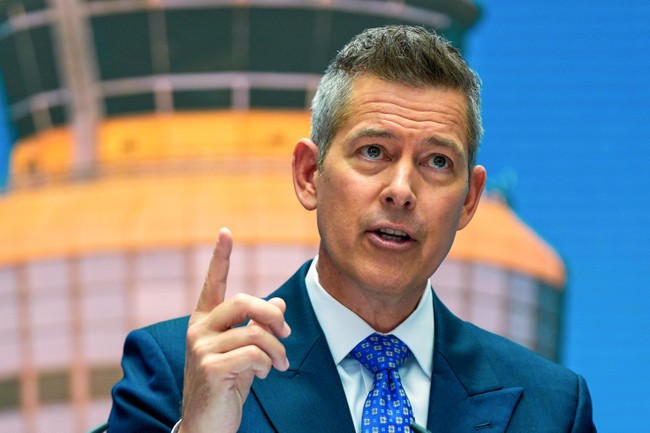
At a recent House Republican press briefing, Rep. Sean Duffy sharply criticized Senate Democrats for putting political survival ahead of the country. He made a blunt observation about how party leaders respond to pressure from the left, arguing that fear of primary challenges has altered decision making. “Democrats are concerned about their own hides and they’ve sold the country to the most radical element of the country.”
Duffy also highlighted the immediate human toll: the next missed paycheck for air traffic controllers would land next Tuesday, he noted, and many controllers are considering extra work just to keep their families afloat. Those workers often put in long shifts, five or six days a week, controlling American airspace and ensuring travelers reach their destinations. Forcing them to choose between caring for family and doing a demanding, high-responsibility job is the opposite of leadership.
Speaker Mike Johnson echoed similar themes in interviews and public comments, framing the shutdown as a product of Democratic leadership caving to their most extreme activists. He pointed to protests and rhetoric that paint America as the enemy and used that contrast to question priorities on the Senate floor. Johnson argued that political posturing has become more important to some Democrats than restoring payrolls and services for ordinary citizens.
After this weekend’s “Hate America” rallies co-sponsored by the Communist Party, I thought he’d finally do the right thing. But he’s still too terrified of his radical base — even admitting he’ll KEEP the government shut down while hardworking Americans suffer.
Republicans see a pattern where party figures publicly express concern about harm caused by shutdowns, then casually admit that the pain is acceptable if it helps them maintain leverage. That contradiction fuels anger from lawmakers who view the shutdown as an avoidable crisis manufactured for political advantage. For critics, the idea that elected officials would allow troops, federal employees, and low-income families to be used as bargaining chips is deeply troubling.
The debate is also about accountability within the Democratic coalition. Republicans claim that when moderates try to strike compromises, progressive activists mobilize against them, making primaries and internal challenges a real threat. That dynamic, they say, explains why leaders sometimes prioritize keeping the activist base appeased, even at the expense of functional governance.
As the shutdown continues, its ripple effects grow: delays at airports, unpaid essential workers, and strained local economies where federal pay supports thousands of households. Republicans point to those day-to-day impacts to press for a return to regular appropriations and to argue that national security and public welfare should not be bargaining chips. The longer the impasse lasts, the wider the consequences spread.
For now, House Republicans are keeping the pressure on, assigning blame to Senate Democrats and their leadership decisions. Their public rhetoric emphasizes protecting workers, defending responsible budgeting, and opposing what they call ransom-style politics. Whether that argument shifts the standoff depends on whether Democratic leaders choose to prioritize governance over political survival.
Editor’s Note: The Schumer Shutdown is here. Rather than put the American people first, Chuck Schumer and the radical Democrats forced a government shutdown for healthcare for illegals. They own this.



Add comment