
I will explain who Ruben Gallego is in relation to Eric Swalwell, summarize Gallego’s public comments and the reporters’ questions, present the direct quotes from the exchange, note the unanswered issues about knowledge and timing, and close with the likely political fallout from Gallego’s explanations.
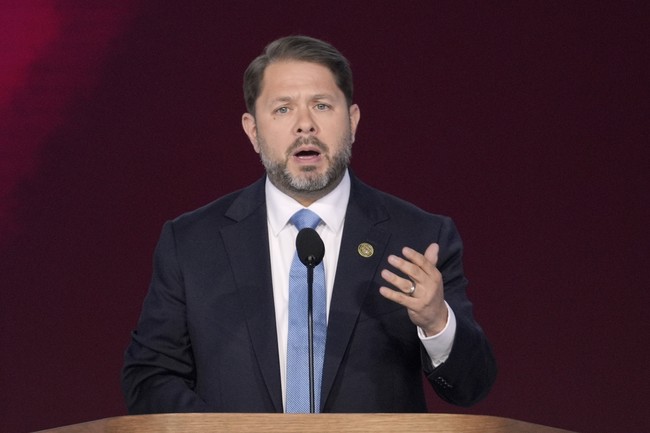
Senator Ruben Gallego, long seen as one of Eric Swalwell’s closest allies, faced reporters after Swalwell’s abrupt fall from grace. Gallego attempted to answer whether he knew about troubling behavior and when he learned it, and his responses quickly became a focal point. The press conference raised more questions than it settled, especially about how close friends missed alleged warning signs. That makes this more than a personal scandal; it becomes a political credibility test.
When asked directly about what he knew, Gallego expressed surprise and dismay, saying he felt lied to and blindsided. He emphasized that he had heard rumors but insisted none of them amounted to proof and that he trusted Swalwell because of what he saw in his family life. That line of defense — trusting appearances over persistent rumors — did not satisfy many who watched the exchange. The core issue reporters pressed was whether casual chatter should have triggered more investigation when families and travel plans overlapped.
Gallego spent more than half an hour answering questions from reporters and repeatedly framed the situation as a betrayal. He maintained that friends and family interactions gave him reason to believe the worst reports were not true. He also described finding out that Swalwell may have been living “a double life,” which he said left him shocked and disappointed. Those are strong words, but they raise a basic, uncomfortable follow-up: how could ongoing chatter about flirtatious behavior not trigger greater caution?
He faced direct, pointed questions about why the rumors did not lead him to distance Swalwell from situations involving his family. Reporters reminded him that the two families socialized and traveled together, and they asked whether that proximity should have prompted a tougher response. Gallego answered by leaning on personal observation and trust, insisting that seeing someone with their spouse gives you a different sense than hearing a rumor. For many observers, that gap between rumor and action feels too wide given what has now emerged.
He appeared restive when the subject of cooperation with any investigations came up, and his answers were cautious rather than definitive. Gallego did not commit to a detailed list of who he would speak with or what records he might provide, leaving the impression of guarded cooperation. The lack of specificity feeds skepticism among critics who think senior colleagues should be ready to help clear the record. Political allies and opponents alike will note whether he follows through when investigators call.
Direct exchanges during the news conference captured the awkwardness of the moment and the limits of Gallego’s defense. The quoted back-and-forth ran like this:
REPORTER: What were the rumors that you heard?
GALLEGO: Yeah, it was flirty. That it was flirty.
REPORTER: And that was when, about what year was it?
GALLEGO: I mean that was through… We’ve heard that. We’ve heard that throughout.
Reporters pressed harder about whether he ever discussed the chatter with Swalwell or took steps to verify it. Gallego reiterated that seeing Swalwell with his wife and family gave him a different perspective and that he believed what he observed. He framed the rumors as something people talked about but did not treat as concrete evidence, which is a familiar political instinct. Still, many will judge that instinct too forgiving given the stakes.
Another reporter pushed on whether the rumors should have raised concerns about family safety and trust, particularly given that Gallego reportedly let Swalwell spend time around his children. He answered plainly, repeating that he heard rumors of flirtiness but choosing to rely on his own interactions and observations instead of treating chatter as decisive. Those comments underscored a broader tension between personal loyalty and public responsibility that now sits at the center of this story. People are asking whether loyalty should ever trump inquiry when allegations involve possible criminal conduct.


Add comment