
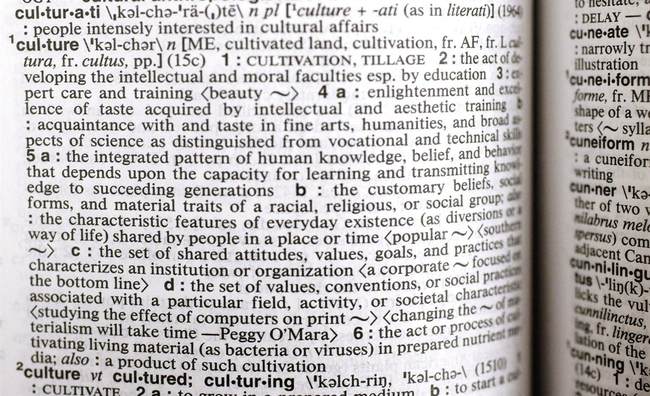
Noah Webster’s 1828 dictionary did more than list words; it steered American written English toward consistency, clarity, and a distinct national voice. This article looks at why standardized spelling and grammar matter in a text-driven world, how Webster’s work spread those standards, and why individual effort still matters when schools fall short. It explores the cultural and practical effects of a common written language, the persistence of sloppy shortcuts in digital communication, and why a little attention to writing still signals seriousness and competence. Finally, it reconnects Webster’s achievement to everyday choices we make when we write, even in short messages and social posts.
In an era when most of our first impressions are made through text, the way we write matters more than many people realize. The internet is a text-heavy medium, and clear written English helps ideas travel accurately and persuasively. When spelling and grammar are consistent, anyone can read a sentence and understand the same thing the author intended, regardless of where they come from or what platform they use. That shared legibility is a civic good that Webster helped to institutionalize.
Noah Webster published his American Dictionary of the English Language in 1828, and it quickly became a reference point for schools, printers, and writers who wanted a reliable set of standards. Webster argued for spellings and usages that differentiated American English from British norms, favoring simpler forms that he believed better reflected American character and practicality. His dictionary offered more than alternative spellings; it provided a framework that teachers and publishers could adopt, and that framework shaped generations of readers and writers. Those choices helped create a coherent written culture across a vast and diverse nation.
Standards for written language reduce confusion and speed comprehension, which matters in journalism, business, law, and everyday communication. When people use abbreviations like “u” for “you” or “ur” for “you’re” or “your,” the meaning can become fuzzy and the tone casual to the point of sloppiness. That shorthand may be fine for quick texts among friends, but widespread acceptance of such shortcuts erodes precision and makes it harder to take serious writing seriously. Webster’s legacy is a reminder that disciplined writing preserves meaning and enforces a baseline of mutual understanding.
Schools once taught rules of grammar and sentence construction as a routine part of literacy education, but that emphasis has weakened in many classrooms. When formal instruction is inconsistent, families and communities often fill the gap, teaching children how to form clear sentences and choose correct spellings. Learning to write well is not merely a matter of pedantry; it is a set of skills that improves critical thinking, clarity of argument, and professional opportunity. Webster’s dictionary became a tool for that learning, giving parents and teachers a standard to point to when insisting on careful writing.
Language evolves, and Webster himself embraced changes that made English more functional for Americans. He promoted spellings like “color” instead of “colour” and “center” instead of “centre” not out of vanity but out of a belief that language should be efficient and accessible. Those decisions reflected a broader cultural push for a distinct American identity in the early republic. Over time, Webster’s choices gained staying power because they worked: simpler, standardized spellings reduced friction in reading and publishing and helped a young nation speak with one written voice.
At the same time, the digital age has introduced new pressures on written standards. Social media platforms reward speed, emojis, and brevity, which can encourage casualness at the expense of clarity. But speed need not mean sloppiness; concise, correct writing still communicates best. Small investments of effort—choosing the right word, proofreading a sentence, or using proper punctuation—pay off in perceived credibility and honesty. Those micro-habits echo the same principle Webster promoted: consistency in writing lends authority to the ideas presented.
Culture and convenience shape how people write, but individuals still control their own standards. A person’s written voice can affect hiring decisions, professional reputation, and the willingness of others to engage seriously with their arguments. In a world where first impressions are often digital and textual, investing a bit more care in spelling and grammar is a practical choice that yields real benefits. Webster’s work is a historical anchor that explains why those standards exist and why they matter today.
Editor’s Note: The Democrat Party has never been less popular as voters reject its globalist agenda.
Help us continue exposing Democrats’ plans to lead America down a dangerous path. Join RedState VIP and use promo code FIGHT to get 60% off your membership.



Add comment