
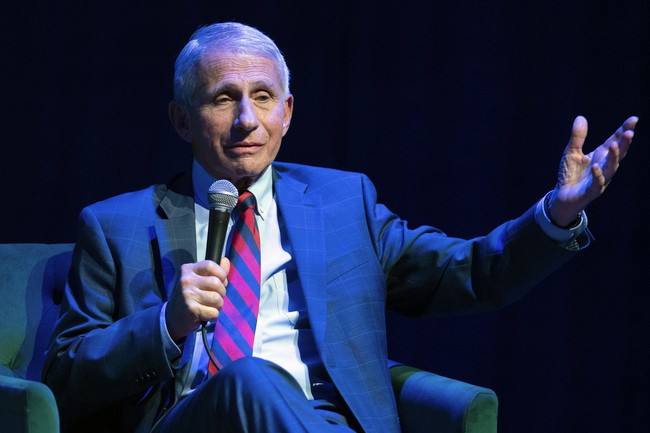
I’ll call out Dr. Anthony Fauci’s recent public remarks about COVID vaccines, recount how congressional findings and public pushback shaped the debate, repeat his exact quoted remarks, and argue, from a Republican perspective, why he should face accountability rather than lecture tours.
Anthony Fauci is back onstage telling audiences he’s disappointed Americans did not embrace COVID vaccines as “safe and effective.” He has the luxury of a public platform and a pension while millions question his judgment and the policies he championed. That contrast is a political and moral problem for many conservatives who saw coercion and censorship accompany the push for universal vaccination.
Fauci framed vaccine hesitancy as the central obstacle to a more effective national response, insisting higher uptake would have solved distribution and transmission issues. He pointed to other countries’ higher vaccination rates as evidence that America simply failed to accept the message. For Republicans concerned about government overreach, this argument dismisses the real reasons people said no: safety concerns, mixed messaging, and distrust of institutions that shut down debate.
Here is Fauci’s quote, presented exactly as he said it:
That’s another whole problem in society is… if the vaccine was accepted by society, we wouldn’t have had an anti-vax problem. We would have had a much, much more effective distribution of vaccine in this country. You’re absolutely right. If everybody, universally accepted that this was a safe and effective vaccine… We were trying to get 72 percent of the population vaccinated, and we never really got there. Whereas other countries had 85-90 percent of their people vaccinated. So, I think it depends on the country. That’s different than the inequity that you have globally, which is, I think more of a problem. That you had people getting their second and third booster before people in the developing world were getting their first shot. That’s just unconscionable.
WATCH:
People are right to question the framing. Fauci still gets to walk around freely, selling the narrative that he led the world to safety, while critics point to contradictory data and serious adverse reports. The House Select Subcommittee on the Coronavirus Pandemic produced a report that many conservatives view as a damning account of the early pandemic response and the choices made by federal health officials.
The committee found problems with how the government labeled the COVID shots and how the rollout was presented to the public. The report highlighted that the products widely called vaccines did not reliably stop transmission, raising the question of whether the public was told the whole truth. Conservatives argue that the rush to authorize and promote these products, combined with liability shields and aggressive messaging, set a dangerous precedent between Big Pharma, regulators, and the federal government.
Operation Warp Speed is often cited as a regulatory success in speed, but speed came at a cost according to critics. Many believe some safety steps were shortchanged out of urgency, while others point to reporting systems that logged adverse events. Those who resisted the push faced career and social consequences, and some media companies and platforms deplatformed dissenting voices in the name of public health, further eroding trust.
Beyond the science debate, there’s a clear accountability issue. Fauci and his allies were at the center of policies that shuttered businesses, separated families from loved ones in nursing homes, and supported lockdowns that left scars on the economy and mental health. From a conservative viewpoint, leaders who advocate sweeping, punitive policies should answer for the damage when those policies fail or produce mixed results.
Many Americans who refused the jab did so because they weighed risks and benefits and found the information presented by authorities incomplete. Others accepted the shots and later reported serious health changes or lost loved ones under circumstances they link to those policies. Those stories fuel a political demand for investigations and, for some, prosecutions—not for vengeance, but for justice and deterrence.
Meanwhile, Fauci capitalizes on the public stage, doing speaking engagements and book events while pointing fingers at the public for not following his guidance. He complains public health messages weren’t heeded and frames resistance as ignorance rather than a rational response to mixed messaging and government overreach. That posture does not satisfy those who want answers about decision-making, transparency, and the role of federal agencies in a national emergency.
Until meaningful accountability measures are taken, many will view Fauci’s appearances as tone-deaf. Republicans will keep pushing for transparency, for scrutiny of the relationships between regulators and industry, and for respect for individual medical decision-making. The debate over COVID policy and its consequences isn’t over, and Fauci’s public defense only keeps that controversy alive.


Add comment