
Quick take: this Morning Minute highlights the top political headlines, notable court actions, the day’s Capitol Hill schedule, the White House agenda, a curious local election tie decided by a jar draw, and a few lighter notes — all with a clear conservative lens and a focus on why these items matter now.
Wednesday, April 22, 2026. Good morning — this edition brings a fast tour of the stories shaping the day and the decisions that could matter for voters. Think of this as a compact briefing before you dive into hearings, rulings, or the latest political theater. Expect a straight, no-nonsense read on national security, courts, and elections.
Top stories around conservative outlets include sharp moments from confirmation hearings, continued action against foreign malign actors, and legal fights with big implications. One item that grabbed attention was the way a Fed chair confirmation hearing produced an awkward exchange with Senator Elizabeth Warren, a moment many found telling about temperament and seriousness. Another key item was a targeted strike described as “taking their money” for hitting a financial node tied to hostile actors in the region.
Across the network, commentary focused on institutional skepticism and media narratives, with pieces arguing that certain left-leaning institutions have been exposed and that those revelations will reverberate politically. The discussion around the SPLC and various indictments drew particular scrutiny, with commentators arguing the fallout is neither accidental nor isolated. That theme dovetails with ongoing critiques of how narratives about race, protest, and policy have been shaped.
On Capitol Hill, a packed calendar includes hearings on national security in the Indo-Pacific, oversight of federal lands, trade policy briefings, and multiple appropriations subcommittee reviews for fiscal year 2027. Witnesses slated to testify include Treasury Secretary Scott Bessent and several cabinet officials who will defend budget priorities. These hearings will shape funding choices for defense, agriculture, energy, and health programs heading into the next fiscal cycle.
The White House schedule is the usual high tempo: several policy meetings throughout the day, an early executive time block, and closed-door sessions with agency officials. The President meets with the Commissioner of Social Security and holds multiple policy discussions in the Oval Office. Those meetings feed into the public hearings and appropriations battles playing out on Capitol Hill.
Keeping up with the cabinet, Agriculture Secretary Brooke Rollins will appear before the Senate Appropriations Committee to discuss the Department of Agriculture’s budget and emerging threats to American farms. Rollins has warned recently about what she called “the growing threat of agriculture lawfare targeting our hardworking American farmers and ranchers.” Her testimony will be watched by lawmakers worried about supply chains and regulatory overreach.
Court watchers had several rulings of interest on Tuesday, including dismissals and appellate reversals that affect defamation claims, environmental suits, and the disclosure of financial records in litigation. One notable result was a district court granting dismissal in Patel v. Figliuzzi, while the 11th Circuit vacated a lower court injunction in Friends of the Everglades v. Noem. The 4th Circuit also denied rehearing en banc in a case involving disclosure of personal financial records. These outcomes signal continued judicial activity on politically sensitive matters.
The Supreme Court has oral argument activity and opinions expected, with the high court scheduled to release further decisions this morning. Among the pending questions is an immigration-related issue about removal standards for lawful permanent residents and evidentiary burdens at reentry. The Court’s calendar will shape immediate legal landscapes for immigration and administrative law.
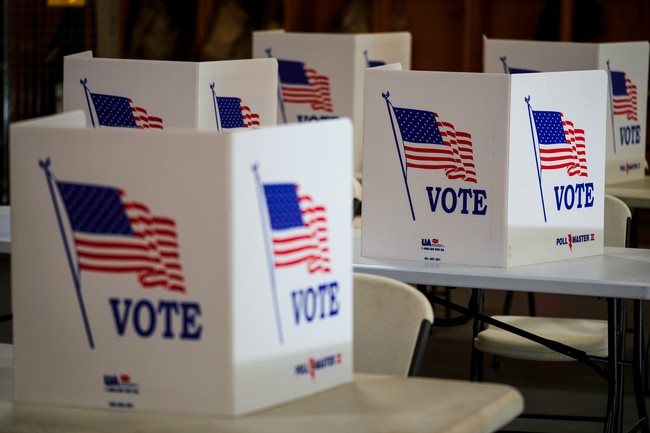
Local democracy produced a headline that serves as a sharp reminder that every vote matters: in a St. Charles Ward 1 race, the incumbent and challenger each received 572 votes, producing an exact tie even after recounts. Cities handle ties differently, and in this case the local officials resolved it not with a runoff but with a jar draw. The report explained, “Instead of having another election, the city had the tie-breaker of the votes be a draw from a jar to determine the councilmember for Ward 1.”
That jar draw got people thinking about election mechanics and the consequences of low-turnout outcomes, especially as several members of Congress have resigned recently and special elections or appointments fill gaps. The broader question posed was blunt: given recent turmoil and resignations, would alternative tie-break methods leave us better or worse off? It is a provocative point about how we choose representatives and how small margins can decide who governs.
Lighter fare surfaced amid the heavier items, including skeptical takes on AI and a wink at the unpredictable side of news. “Possibly AI? (I’m suspicious of everything these days.) But either way!” captures that blend of healthy doubt and amusement. The newsletter-style closing was edited out here, but readers were reminded that daily briefings like this exist to keep citizens informed without the spin.
Final note: the piece avoided promotional links and author credits, focusing instead on the substance — hearings, rulings, and the small but consequential story about a tied election decided by luck. In a year when every seat can change policy direction, those details matter more than they might at first glance.


Add comment