
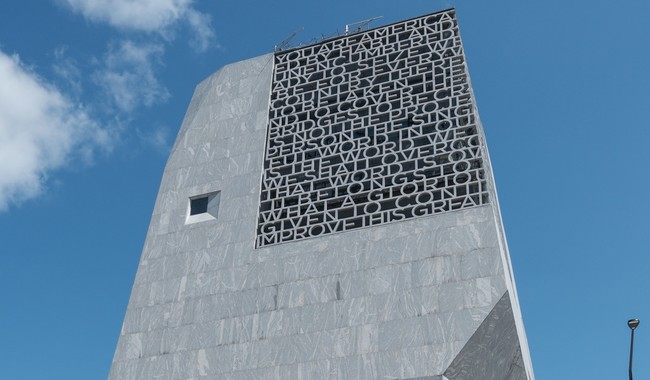
The Obama Presidential Center opened amid fanfare, high-profile guests, and sharp partisan commentary, and this piece walks through the ceremony, the critics’ reactions, the financial and aesthetic complaints, and the fiery exchanges between the Obamas and President Trump.
The opening drew big names and big applause, but also plenty of eye rolls from those who saw the event as a lavish celebration rather than a public service. Performers and activists shared the stage with political figures, creating a celebrity-heavy atmosphere that many said felt more like a private gala than a civic moment. Observers noted the mix of glamor and grievance, and the tone struck many as self-congratulatory.
Attendees reportedly included former heads of state, media icons, and leading Democratic politicians, making the guest list a who’s who of progressive influence. That kind of lineup feeds the narrative that the center is as much a prestige project as it is a historical reminder. Critics pointed to executives and advisors who have profited handsomely from their association with the Obamas as evidence of a profit-driven ecosystem surrounding the brand.
Not surprisingly, the event featured the expected cultural rituals and acknowledgments, which struck some as performative tributes rather than meaningful reconciliation. The ceremony’s formalities drew predictable commentary about modern public events and their tendency to substitute symbolism for substance. For many, that symbolism did not compensate for lingering questions about cost, oversight, and community impact.
https://x.com/SteveGuest/status/2067662922050830794
Before the ribbon-cutting, the Obamas sat down for a high-profile interview that reinforced the center’s messaging and priorities, and Michelle Obama highlighted her own plans going forward. The interview underscored how the couple remain central to the public image of the foundation and its future activities. That continued focus on personal branding only added fuel to the critics who accuse the project of being more about legacy building than civic enrichment.
The celebration was described by some as festive and even extravagant, which widened the gulf between supporters who praised the vision and detractors who saw excess. Critics argued that the optics were poor at a time when many municipal projects face scrutiny over delays and budget overruns. The contrast between the project’s grandeur and the practical concerns voiced by local residents and taxpayers became a dominant storyline.
President Trump weighed in sharply, reminding the public about cost overruns and schedule slips and using the opportunity to criticize what he called questionable priorities in federal and local spending. The White House messaging framed its own renovation projects as models of fiscal responsibility, a pointed comparison meant to highlight perceived mismanagement at the Obama center. This exchange fed a wider narrative about governance, accountability, and aesthetic taste in public works.
“President Trump continues to implement long-overdue and necessary renovations to beautify Washington, D.C., and our nation’s treasured monuments as we approach our historic 250th anniversary of independence. Thanks to the Builder-in-Chief, these projects are being completed on time and under budget — a stark contrast to the errantly run Obama administration, which overspent and underdelivered,” White House spokesman Davis Ingle told Fox News Digital when asked for comment about the museum.
The center has become a flashpoint for complaints about style over substance, with critics labeling its design unattractive and its costs ballooning into the hundreds of millions. Those complaints included sharp assessments of aesthetic choices and concerns that the project functions as a symbol of elite priorities rather than community uplift. Commentary from policy analysts and cultural critics alike has focused on debt, ongoing operational concerns, and the broader implications of private-public partnerships in civic landmarks.
Commentators from think tanks and media outlets have not held back, calling the structure a “monolithic boondoggle” and pointing to the personal wealth and real estate holdings of the family tied to its message. That critique questions whether the moralizing rhetoric delivered at the dedication aligns with the personal choices of the speakers. When leaders preach restraint while enjoying multiple luxury properties and lucrative deals, critics say the disconnect is glaring.
Controversy also touched on the center’s claimed mission versus the realities of its financing and management, with some calling it a cautionary tale about celebrity-driven civic projects. Concerns include the reliance on private funds, the potential for taxpayer exposure, and the long-term sustainability of such mega-projects. Observers urged closer scrutiny and clearer accounting to ensure public benefit rather than private prestige.
As a general rule, anytime Barack Obama lectures the country or its people on their purported sins—with Khalil Gibran pop platitudes—he is seeking absolution for his own obsessions by projecting his own guilty desires onto others.
The latest? At the dedication of his narcissistic Obama Presidential Center in Chicago—a $850 million flak-tower, monolithic boondoggle mired in debt—Obama lectured us on the need to resist the allure off “money, attention, [and] fame.”
Thus spoke the owner of four homes, three of them multimillion-dollar mansions, whose last inert year in office was spent closing book and Netflix deals that ensured he would become a multimillionaire the moment he left office, and on spec, jets private to sermonize to various audiences–often at $400,000 a shot—on their own false-consciousness shortcomings.
The reaction around the center’s opening shows how polarized civic symbols have become, serving as rallying points for supporters and targets for critics. Locals and national observers will continue debating whether the project truly serves the community or functions mainly as a monument to personal legacy. For now, the center stands finished, but the public conversation about cost, taste, and accountability is far from over.


Add comment