
I’ll describe the America 250 flyovers in Washington, note the media reaction, highlight standout performances and pilots, preserve the quoted lines that appeared, and include the original embedded media tokens where they belonged.
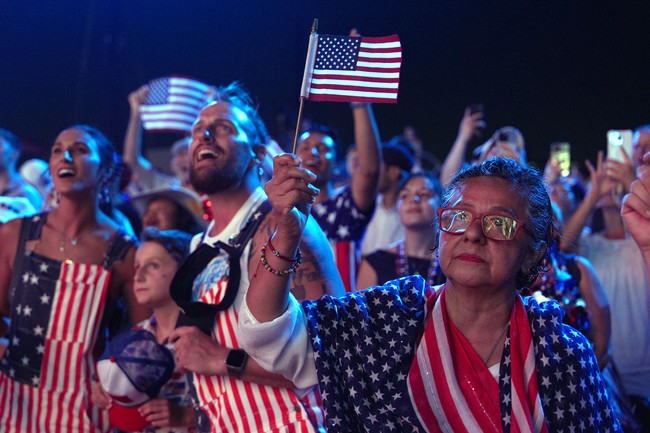
The America 250 flyovers over the National Mall were built for spectacle and succeeded on that measure alone. Planes and helicopters traced tight formations across the skyline, producing dazzling lines, thunderous passes, and that unmistakable sense of national pageantry. Crowds gathered despite heat and poor weather, and the aerial choreography delivered exactly what a birthday celebration of this scale should aim to provide.
Not everyone celebrated in the same way, and some commentators chose to criticize rather than cheer. One named host, Lulu Garcia-Navarro, who hosts “The Interview” for The New York Times and used to work for NPR, reacted in a way that drew a lot of attention online. That response prompted widespread pushback and, in many cases, a public ratio that reflected how divided reactions can be to large displays of patriotism.
Social media filled with replies, images, and video clips from attendees who wanted to show the scale and excellence of the aerial presentation. Online metrics captured that flare-up quickly, and the host’s timeline was flooded with responses of praise and disbelief. Those conversations became part of the story about how public celebrations are interpreted differently through partisan lenses.
Organizers didn’t stop after the initial thrill; they doubled down for the Fourth of July, expanding the roster of aircraft and increasing the number of passes. That included both military and civilian pilots, creating a mixed program that showcased modern capabilities and private-sector contributions. Spectators got to see a wide range of platforms, from nimble fighters to heavy-lift helicopters, each element chosen to add texture to the show.
https://x.com/LuluGNavarro/status/2073055284327547095?ref_src=twsrc%5Etfw
People who endured the elements were rewarded with tight formations, precision timing, and a soundtrack of jet noise that underscored the spectacle. The event was designed to be both celebratory and demonstrative, a display meant to mark 250 years with bold visuals. Seeing that many aircraft in coordinated flight over the heart of the capital is a rare thing, and the program made the most of the opportunity.
One particular highlight was NASA Administrator Jared Isaacman leading a pass in an F-5, a sight that mixed aerospace prestige with a nod to civilian achievement in flight. That moment tied together the private contributions to aviation history with the more familiar military demonstrations we expect in these ceremonies. The contrast—private pilot leading a precision pass—was part of what made the weekend unique.
Helicopters also played a role, adding vertical drama and slow, hovering perspectives that contrasted with the speed of the fighters. Those slower, closer passes gave people a different angle on the celebration, letting viewers appreciate aircraft handling that’s less about speed and more about control. Helicopter flight added texture and variety to an itinerary full of high-speed maneuvers.
The Air Force Thunderbirds performed their signature routines with the kind of precision expected from an elite demonstration team. Their passes over the Mall were textbook examples of formation discipline, with tight spacing and coordinated smoke trails that created vivid patterns against the sky. For many in the crowd, their appearance was the emotional high point of the aerial program.
At several points the formations came so close to buildings and monuments that the audience gasped, a reminder of how daring and exact these pilots must be. Low, close passes emphasize skill and training, and those moments read as both a salute and a show of capability. Spectators were left with images that will stick—planes threading the skyline above national landmarks.
A newer element of the program was the Air Force One flyover, executed with the proper escort and choreography that such a symbol demands. The inclusion of that flyover tied the weekend’s displays to national leadership and tradition, reinforcing the ceremonial weight of the event. It blended technological showmanship with symbolism in a way that most attendees appreciated.
Some sequences featured hovering and sustained displays that let viewers take in the form and function of the aircraft rather than simply their speed. Those moments created a counterpoint to the rapid passes, offering time to appreciate noise, shadow, and the physical presence of the machines. The variety across the program helped the weekend appeal to enthusiasts and casual viewers alike.
It’s worth noting that big public events like this always attract both admirers and critics, and the online back-and-forth is part of the modern story of national celebrations. For many attendees, the flyovers were an unequivocal success—powerful, moving, and memorable. The weekend’s aerial demonstrations left a loud, clear mark on the capital’s skyline and on the memories of those who watched them unfold.
Editor’s Note: It’s America’s 250th birthday! Help RedState celebrate the greatest nation in history by honoring its past, defending its present, and preserving its future with reporting you can trust.

Add comment