
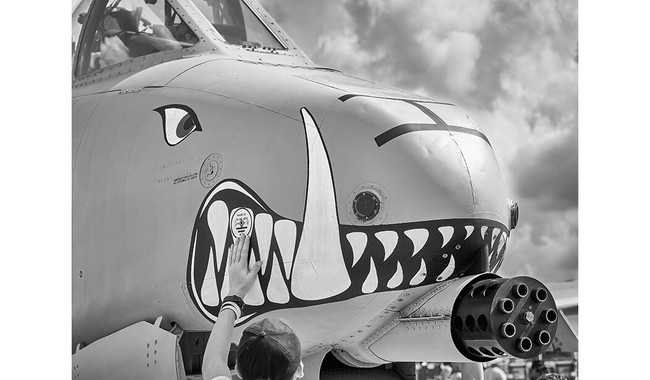
The Air Force has announced the A-10 Thunderbolt II, the Warthog, will be extended to 2030, keeping the venerable close air support platform active while production of new combat aircraft ramps up and while crews refine roles for jets like the F-35 in combat search and rescue missions.
The service confirmed the decision in a post that highlighted the need to preserve combat power as the Defense Industrial Base increases aircraft output, and leaders framed the extension as a bridge to future capabilities. The A-10’s rugged design and powerful 30mm GAU-8 Avenger cannon keep it relevant for low-and-slow missions where survivability and direct-fire support matter most.
In the announcement the service made clear priorities for near-term readiness and industrial stability. The move buys time for the Air Force and Congress to work through questions about replacement platforms, pilot training, and mission continuity. Extending the A-10 to 2030 explicitly preserves a proven capability while planners sort out long-term options for combat search and rescue and close air support.
The post states:
In consultation with @SecWar, we will EXTEND the A-10 “Warthog” platform to 2030. This preserves combat power as the Defense Industrial Base works to increase combat aircraft production. Thank you to @POTUS for your unwavering support of our warfighters and quick, decisive leadership as we equip our force. More to come.
Operational reports show A-10s operating effectively in contested environments such as the Strait of Hormuz, where crews have engaged fast attack craft and provided presence that simple missile strikes cannot replicate. The A-10’s ability to loiter, absorb damage, and deliver precise direct fire makes it uniquely suited for certain maritime and close-support missions. Commanders who rely on that survivable, low-speed platform welcomed the extension as a practical step.
That said, 2030 is not a distant date in the life of an airframe program, and the extension is short by historical standards. It is intended as a deliberate pause so the Air Force can test and integrate alternatives like the F-35 into roles traditionally filled by the Warthog. Those alternatives raise questions around endurance, low-altitude maneuvering, and how they support specialized missions such as combat search and rescue.
Combat search and rescue requires aircraft and crews trained to operate at low altitude under threat, build trust with rescue forces, and react to chaotic, dynamic situations. The A-10’s design and decades of dedicated training make it a natural fit for that job set, and leaders are wrestling with how to transfer those skills to newer platforms without losing critical capabilities. Congressional oversight and operational necessity are pushing the pace of those discussions.
There are workarounds and concepts under study, including lighter, more specialized aircraft designed for low-and-slow roles and tactics that pair advanced jets with dedicated sensors and unmanned systems. Some proposals emphasize numbers and cost-effectiveness over survivability, while others seek hybrid approaches that retain armored survivability and heavy cannons. Each option comes with tradeoffs in vulnerability, sustainment, and mission effectiveness.
History reminds us that low-tech solutions can be unexpectedly effective when they match the mission profile. Examples of simple, durable aircraft flown in niche roles show that survivability and cost matter, especially for persistent operations. The A-10’s cheap 30mm cannon rounds and long loiter times are a practical counterpoint to expensive missile expenditures when the goal is sustained presence and precision against small, fleeting targets.
Maintaining a balanced force means keeping proven tools available while fielding new ones. The A-10 extension to 2030 gives planners space to mature replacement concepts and to ensure pilots receive the specialized training needed for CSAR and close air support missions. It also keeps a resilient platform in the inventory that can operate effectively in permissive and contested littoral environments.
Policymakers and military leaders will still need to answer how the Air Force sequences retirements, funds modernization, and preserves institutional knowledge. Pilot training pipelines, maintenance capacity, and industrial base investments all play into whether the A-10’s role is transitioned smoothly or whether capability gaps emerge. The 2030 decision is a pragmatic, short-term fix intended to prevent those gaps while longer-term answers are developed.
For now, the Warthog remains in service to provide a dependable, battle-tested option for close air support and combat search and rescue missions. Its extension reflects a cautious approach: keep what works while building what’s next, and avoid sudden capability shortfalls during a period of intense change in aircraft procurement and mission design.


Add comment