
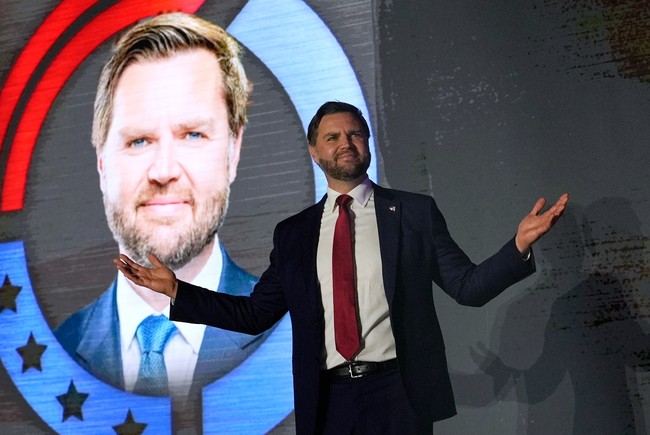
The Schumer Shutdown is over, and Vice President JD Vance says Democrats staged a needless standoff that inflicted real pain on Americans for no reason. This piece lays out what happened, why Vance calls it wasted theater, how the final deal mirrored offers rejected weeks earlier, and what the short-term funding extension means going forward. It focuses on the effects on federal workers, air travel, and national security pay, and it repeats Vance’s direct criticism of the Democratic leadership’s choices. The closing funding patch runs to January 30, 2026, leaving open the question of whether lawmakers will repeat the same chaos next winter.
The shutdown left a trail of disruption that hit ordinary Americans first and hardest. TSA agents, air traffic controllers, and other essential staff went without pay during the standoff, creating canceled flights and frayed nerves just as holiday travel approaches. Service members faced uncertainty over paychecks at the same time the nation expects them to be ready and focused. From a practical standpoint, the harm was immediate and the benefits to anyone were invisible.
From the Republican perspective, this was predictable theater from Democratic leaders who boxed themselves into a corner. JD Vance called out the showmanship and the needless stress it caused across the country, pointing to very tangible consequences: missed pay, delayed flights, and frightened families worried about benefits. The blame lines are simple: decisions by House and Senate Democrats created the crisis, and those decisions could have been avoided. Leadership choices produced chaos that could have been prevented with cooperation.
“Here’s what the Democrats actually accomplished. They caused a lot of stress for our troops, they made our air traffic controllers not get paid, they caused a lot of flight cancellations, they had a lot of people thinking they weren’t going to get their food benefits. All for literally nothing,” Vance told Fox News host Sean Hannity in an interview set to air Thursday.
Vance also emphasized how needless the final arrangement was, saying the deal Democrats accepted was effectively the same as the one on the table weeks ago. If true, that underlines a basic political calculation: hold out for leverage that never materializes and inflict pain instead. The accusation is that Democratic leaders rejected a reasonable compromise earlier and only came around after the pressure mounted from practical consequences. That approach cost people real stress for no legislative gain.
Vance claimed the House deal that ended the shutdown was identical to one top Democrats rejected weeks earlier.
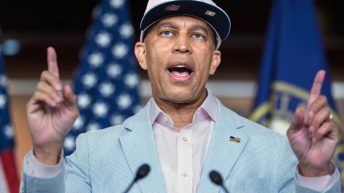
“We could have struck this exact deal 45 days ago,” the vice president said. “In fact, we met with Hakeem Jeffries and Chuck Schumer and said we will pass this exact deal. They said no.”
President Trump signed the bill to reopen funding, and the administration framed that move as an end to an avoidable crisis. The funding extension lasts until January 30, 2026, which buys lawmakers time but does not resolve the underlying fights over fiscal year 2026 priorities. That short runway means the partisan dynamics that drove this episode could replay unless leadership on both sides chooses a different path. The careful reader sees a stopgap rather than a solution.
Practical fallout from the shutdown was immediate and measurable: airlines scrambled to reroute passengers and reschedule flights when staffing gaps surfaced, while federal workers and contractors worried about missed pay and the cascading consequences that follow. Families on assistance programs felt anxiety about benefits, and the perception of national dysfunction grew. For those who run essential services, a partisan standoff turned into an operational crisis with human costs.
On the political front, Republicans are framing the episode as proof that Democratic strategy can prioritize symbolism over everyday stability. Vance praised President Trump’s leadership during the standoff and suggested the administration anticipated Democrats would eventually concede. That assessment casts the final outcome as predictable, and it highlights the strategic misstep of prolonging a fight that yielded nothing but disruption.
The vice president went on to praise President Donald Trump’s leadership during the 43-day standoff, saying they “knew this was going to happen.”
“The president of the United States said every day eventually the Democrats were going to realize this was an absurd position, we’ve got to reopen the government and that’s what they did,” Vance said.
With funding secured through late January, attention turns to whether lawmakers will negotiate in good faith or circle back into the same traps. The risk is that partisan posturing becomes the default strategy whenever hard choices loom, and voters get left holding the bill for the disruption. For now, federal workers will be paid, flights can stabilize, and the immediate crisis passed, but the lesson about needless brinkmanship remains clear.
Please help report the truth about the Schumer Shutdown. Use promo code FIGHT to get 60% off your VIP membership.
Watch:

Add comment