
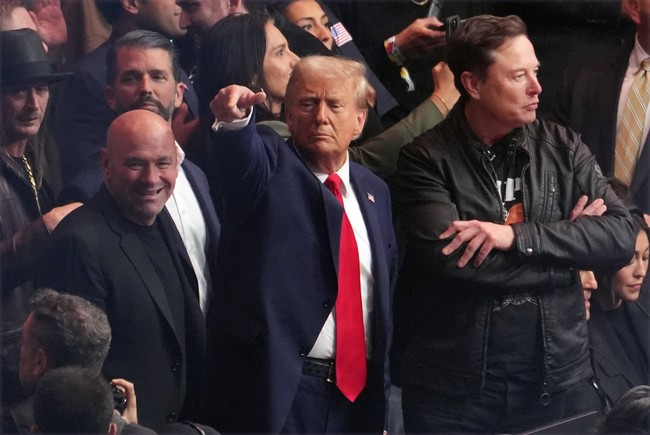
The White House South Lawn hosting a full-scale UFC Octagon is striking: it pairs raw athletic contest with national ceremony, highlights merit and preparation, and signals a preference for direct outcomes over managed narratives.
THE ESSEX FILES: Why a UFC Octagon on the White House Lawn Is the Ultimate Symbol of American Merit
A full-scale UFC Octagon set up on the South Lawn for UFC Freedom 250 is a bold image that cuts through political theater. The event, timed with Flag Day and President Trump’s 80th birthday during America’s 250th anniversary, puts athletes and competition at center stage. The optics may bother critics, but on the ground it’s a clear celebration of skill, training, and visible results. That clarity matters in a culture where so much gets decided behind closed doors.
MMA did not arrive fully formed. The early UFC in 1993 was a rough experiment pitting styles against styles with minimal rules and no weight classes. Those early fights produced brutal mismatches and taught a blunt lesson: raw advantage can win without technique or structure. Over time the sport adapted, adding weight classes and standardized rules that demanded fighters evolve into complete athletes rather than relying on a single strength.
https://x.com/FoxNews/status/2065189978087338057
By the late 1990s the introduction of weight divisions, rounds, and rules about strikes professionalized the game and shifted incentives toward preparation and versatility. Training became comprehensive: striking, grappling, conditioning, and strategy all mattered. The Octagon rewards athletes who study opponents, adjust tactics, and perform when it counts. That evolution turned chaotic spectacle into a sport where merit and hard work usually determine outcomes.
The UFC’s rise sheds light on why it has eclipsed boxing in cultural relevance. Boxing’s politics, splintered sanctioning bodies, and promotional posturing too often get in the way of clear competition. UFC consolidated divisions, emphasized consistent matchmaking, and made title paths more transparent. Fans see results more than press releases, and a product that delivers predictable, high-stakes contests attracts attention and sponsorship.
Putting the Octagon on the White House lawn amplifies those themes. A combat cage in front of the nation’s executive residence is a visual argument: outcomes should be decided by performance, not by spin. Many of the fighters on the card are American, and their presence on a public stage connects athletic excellence to national celebration. Long-standing partnerships between promoters and political allies played a role, but the broader point is about loyalty, opportunity, and mutual success born of shared risk and reward.
Skeptics will raise practical concerns: logistics, expense, and tone. Those critiques are valid at the margins, but they miss why millions tune in. People gravitate toward clear rules and decisive results; they want to see who prepared better, who withstood pressure, and who executed a plan. Combat sports distilled that preference into a simple format, and the sport’s trajectory shows audiences reward clarity with attention and money.
There’s a civic lesson here beyond athletics. Institutions that prioritize competence and result-oriented practices regain trust faster than those that focus on optics. When institutions make outcomes clear and meritocratic, talent rises and accountability follows. The Octagon on the South Lawn is more than spectacle; it’s a reminder that contests judged in public produce legible winners and losers, and that transparency drives engagement.
Many will call the setting unusual or argue it blurs lines between state ceremony and entertainment. That debate is fair and necessary. Still, the image endures: a ring where preparation beats rhetoric. In an era of negotiated settlements and opaque decisions, a contest that says, plainly, “be better or be beaten,” resonates with a conservative preference for toughness, responsibility, and measurable achievement.
UFC’s story is practical: adapt rules, reward preparation, and let performance decide. The sport’s move from chaos to structure mirrors a broader civic yearning for institutions that reward competence. For those who value direct contest and clear standards, a cage on the South Lawn is a fitting symbol — awkward to some, inspiring to others, and unmistakably focused on who performs when the lights are on.



Add comment