
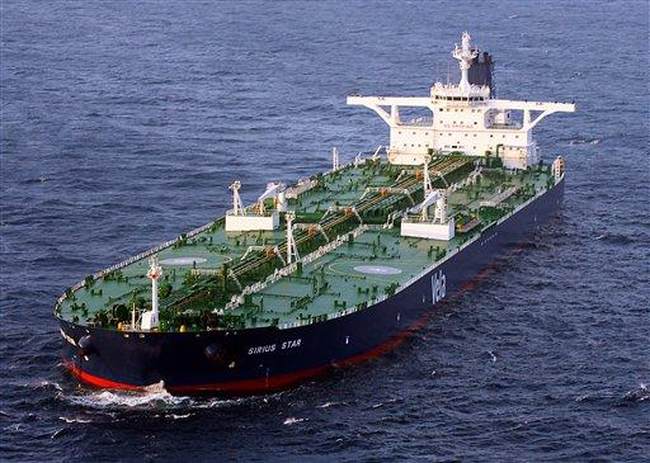
The U.S. boarding and seizure of the tanker MT SKIPPER off Venezuela exposed a wider, well-organized network of “dark fleet” vessels that move sanctioned oil to buyers, mainly in China, through opaque ownership, signal spoofing, and ship-to-ship transfers that frustrate sanctions enforcement.
When U.S. forces boarded MT SKIPPER, it underscored a long-known industry pattern: sanctioned crude can be shifted through stateless or reflagged ships, then blended into legitimate-looking cargoes and delivered to refineries overseas. These operations rely on a web of shell companies, leased registrations, and AIS spoofing to hide origin, ownership, and movement. The MT SKIPPER case is a vivid example, but investigators say hundreds of similar tankers operate at any time, carrying oil, military materiel, and other contraband.
Independent monitors estimate there are 397 “dark fleet” tankers currently active, a fleet large enough to move significant volumes of outlawed crude around the globe. That number includes vessels of many classes, from the biggest VLCCs down to smaller coastal tankers designed to slip under scrutiny. The scale makes enforcement difficult: seize one ship and dozens more shift flags, owners, and routes to keep the trade flowing. These ships exploit gaps in maritime law, uneven enforcement, and buyers willing to accept discounted crude.
To make sense of the fleet, think in size classes: the largest ships ferry the biggest sums and are the most consequential when used to move illicit oil. Supertankers and Suezmaxes can carry millions of barrels and thus hundreds of millions of dollars in crude. Mid-sized ships like Aframax and Panamax vessels are smaller but numerous, useful for regional transfers and rendezvous. Smaller Handies and coastal tankers complete the logistics chain, picking up and delivering cargoes after clandestine transfers.
VLCC/ULCC aka supertankers: Quantity 143
The Very Large Crude Carrier (VLCC) and Ultra-Large Crude Carrier (ULCC) were added as the global oil trade expanded and larger vessels provided better economics for crude shipments. VLCCs are responsible for most crude oil shipments around the globe, including in the North Sea, home of the crude oil price benchmark Brent. A VLCC can carry between 1.9 million and 2.2 million barrels of a WTI type crude oil. With current WTI prices near $92 per barrel, a fully loaded VLCC could carry about $100 million dollars’ worth of crude oil.
Suezmax: Quantity 73
The largest ships that can transit the Suez Canal, these tankers are some 275 metres (900 feet) long and have a capacity of 120,000 to 200,000 dwt. They carry about 800,000 to more than 1,000,000 barrels.
Aframax: Quantity 111
The maximum size of vessel to use the Average Freight Rate Assessment method for calculating shipping rates, these tankers are around 240 metres (790 feet) long and have capacities of 80,000 to 120,000 dwt. They carry roughly 500,000 to 800,000 barrels.
Panamax: Quantity 23
The maximum size that can transit the Panama Canal, these tankers range in length between 200 and 250 metres (650 and 820 feet) and have capacities of 50,000 to 80,000 dwt. They carry 350,000 to 500,000 barrels.
Handies: Quantity 47
These ships have capacities of less than 50,000 dwt and lengths up to approximately 200 metres (650 feet).
As MT SKIPPER was seized, seven other VLCC-class tankers were reported operating in the Caribbean, illustrating how common such vessels are in contested waters and how easy it is for a network to replace one vessel with several others. The presence of multiple VLCCs in one area increases the chance of ship-to-ship transfers that mask origin and cargo. Tracking and proving those transfers requires persistent satellite, AIS, and on-the-water verification across jurisdictions.
MT SKIPPER’s ownership trail is deliberately murky, using leases, offshore registries, and substitute flags to obscure who profits. Publicly available registries show leased arrangements that cross Nigeria, the Marshall Islands, Panama, and other jurisdictions, a pattern typical of vessels used in sanction evasion. U.S. government documents link similar structures to sanctioned networks that have a history of moving Iranian and Russian crude through intermediaries and front companies.
MarineTraffic lists the beneficial owner and operator as Nigeria-based Thomarose Global Ventures Ltd and it lists the registered owner as Marshall Islands-based Triton Navigation Corp.
In 2022, the US Treasury said that Triton was being used by a sanctioned Russian oil magnate – Viktor Artemov – to facilitate a global “oil smuggling network”.
At the time, US officials said Mr Artemov used an expansive network of ships often registered obscurely to transport Iranian oil.
In its statement, the US Treasury said that Triton had “materially assisted, sponsored, or provided financial, material, or technological support for, or goods or services to or in support of, Artemov”.
The ship was reportedly registered in Panama, leased to an operator in another country, and at times sailed under a false Guyana flag, all classic obfuscation tactics to avoid detection. U.S. documents tie the operator to sanctioned intermediaries with links to networks that move oil to Iranian and Hezbollah-aligned recipients. These layered connections make enforcement a cat-and-mouse game: remove one node and the network shifts names and flags to carry on business.
RedState and other outlets covered the boarding and noted that MT SKIPPER spoofed its AIS signal to hide location from everything but satellites, a tactic used widely by the dark fleet to foil coastal monitoring. The boarded vessel was photographed taking on oil in Venezuelan waters, showing how transfers are staged in remote spots and then relayed to larger ships for long-haul shipment.
Investigators documented a pattern of rendezvous consistent with ship-to-ship transfers and onward delivery to Chinese refineries, including multiple extended meetings between vessels in the South China Sea. The taxpayer-funded committee concluded these rendezvous created a direct operational bridge from Venezuelan and Iranian supply chains to PRC-based buyers. The evidence shows how Chinese firms, shippers, and managers can keep the market supplied while shielding their role behind opaque structures.
On its final transit through the South China Sea, before returning to Venezuelan waters, SKIPPER engaged in two extended encounters with the PRC-managed tanker LUOIS between August 12 and 14, 2025, lingering at low speeds well outside normal shipping traffic—behavior consistent with a ship-to-ship transfer. In the first meeting, the two vessels stayed together for more than a day in a quiet patch of water off southern China. They separated only briefly before linking up again a few hours later for another day-plus rendezvous in a nearby area. After the second meeting, LUOIS remained in the area for several days, a pattern consistent with receiving cargo and preparing for onward delivery. Taken together, these back-to-back encounters form the operational bridge between Venezuelan and Iranian-linked supply chains and the PRC-based buyers receiving the crude.
The Select Committee recommends that Treasury target not only vessels but the Chinese firms and managers that arrange purchases, chartering, and delivery of this sanctioned crude. Without sanctions on the buyers and the commercial infrastructure that enables these transfers, vessels simply reflag, rename, and keep operating. Tackling the network requires tracing end buyers and the financial flows that make the trade profitable.


Add comment