
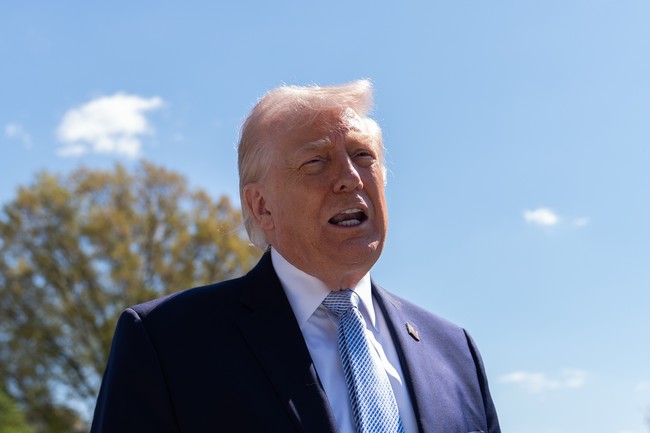
Donald Trump’s announcement of a ceasefire and his insistence on enforceable terms underline a conservative approach to diplomacy that prizes leverage, verification, and clear consequences over sentiment. This article looks at how treating agreements as conditional tools rather than moral checkpoints shapes outcomes, why the surrounding noise is predictable, and what a disciplined posture means for U.S. interests in the region.
The immediate lesson is simple: strength precedes sustainable diplomacy. A deal without teeth is a press release, not a policy, and conservatives have long argued that adversaries only respect power when cost is clear and credible. Insisting on concrete steps, like reopening key sea lanes and restricting hostile nuclear activity, turns vague promises into actionable benchmarks.
Predictably, the announcement triggered a cacophony of competing narratives. Foreign actors push their own versions, allies parse the language, and domestic critics rush to demand perfect wording before any verification exists. That theater is familiar to anyone who watches international negotiations; it rarely reflects the actual process of enforcement and oversight behind the scenes.
What matters most is enforcement. If commitments are rules with penalties, they change behavior. If they are symbolic phrases without follow-up, they incentivize cheating and delay; history shows that bad actors exploit ambiguity whenever it benefits them.
Trump’s approach frames the ceasefire as a set of conditions to be met instead of a photo-op to celebrate. That means leverage remains central: sanctions, military readiness, and diplomatic isolation all stay available as tools to compel compliance. For conservatives, this is not aggression for its own sake; it is practical statecraft aimed at making agreements durable.
Critics who demand immediate certainty overlook how real bargaining works. Negotiations often begin messy and end with inspection regimes and verification mechanisms that take time to build. The rush to judge a deal from its first draft ignores the slow, painful work required to turn words into enforceable reality.
Part of the value of a leverage-first posture is deterrence. When adversaries believe the United States will follow through on threats, they are less likely to test limits. The goal is to create a strategic environment where cheating has higher costs than compliance, shifting incentives toward stable behavior rather than opportunistic gains.
Supporters of decisive diplomacy see this as an extension of a core conservative principle: national interest first. That focus rejects moralizing lectures and favors clear-eyed assessments about what advances security and prosperity. It also recognizes that foreign policy must be judged on results, not on the elegance of diplomatic language.
There will be more leaks, competing statements, and partisan spin as the terms are debated in public. Much of that commentary is noise; some of it helps refine verification and implementation. The test will not be the first press conference but whether the agreed conditions are enforced and whether those conditions make cheating costly and rare.
In practice, enforcement means continued attention to strategic choke points and nuclear ambitions, sustained pressure through economic and military tools, and transparent verification steps that can be inspected by neutral observers. If parties know violations will be exposed and punished, the chances for a durable pause in hostilities rise substantially.
This posture is not about triumphalism; it is about discipline. Diplomacy that starts from leverage and keeps consequences on the table produces clearer outcomes than diplomacy that begins with concessions and hopes for goodwill. For conservatives, that clarity is both morally honest and strategically sound.
The broader public conversation will continue to oscillate between alarm and applause, often before the facts are fully known. A responsible assessment waits for the verification framework and enforcement actions to unfold. Until those pieces are in place, the right response is steady oversight and readiness to act if terms are breached.
Ultimately, durable peace depends on mutual calculation: if adversaries think violating an agreement is costlier than abiding by it, peace holds. Treating the ceasefire as conditional and enforceable places that calculation squarely in America’s favor, which is precisely the point of a leverage-driven foreign policy.



Add comment