

President Trump’s recent public comments about Iran and the prospect of Iranians rising against their regime have reignited debate about the limits of American power and the role of local populations in toppling authoritarian governments. This article examines the strategy behind pressure on Tehran, why regime change ultimately depends on Iranians themselves, and what realistic U.S. support might look like without direct occupation or nation-building.
The United States and Israel have applied military and economic pressure that has severely damaged Iran’s capabilities, but wreckage alone does not rebuild a state. Long-term, meaningful change must originate with the Iranian populace; external strikes can shape conditions but cannot replace local will. If any positive transformation happens, it will be because Iranians choose to act, not because foreign armies stay to impose a new order.
President Donald Trump revived speculation over regime change in Iran Tuesday night, openly asking when Iranians would “rise up and fight” as his administration intensified military and economic pressure on a government US officials say is increasingly vulnerable.
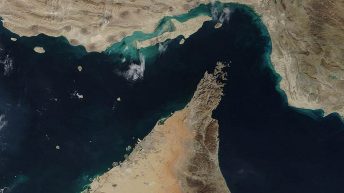
“I’m not trying to force Iran to the bargaining table,” Trump wrote on Truth Social Tuesday. “I like our position now much better, with almost total control of the Hormuz Strait, and their economy totally collapsing.”
“They are just playing out the inevitable,” Trump added. “When are the Iranian people going to rise up and fight?”
President Trump made his point bluntly and publicly, reminding observers that kinetic strikes and sanctions only do so much. Military pressure can blunt a regime’s capacity and threaten its survival, but it cannot substitute for mobilized citizens on the ground. That truth constrains any strategy that hopes to remove a regime without inviting a messy, costly occupation.
He .
The president writes:
https://x.com/RapidResponse47/status/2094956959740944839
I’m not trying to force Iran to the bargaining table, as ABC Fake News reported. I couldn’t care less if they sign a worthless, to them, agreement. I like our position now much better, with almost total control of the Hormuz Strait, and their economy totally collapsing. They are just playing out the inevitable. When are the Iranian people going to rise up and fight? President DJT
Any successful overthrow of Iran’s hardline elements will require Iranians willing to put themselves at risk, because foreign boots cannot provide the political legitimacy necessary for a stable transition. That reality means domestic activists face terrible choices: to resist and endure heavy repression, or to accept continued subjugation. The cost in lives, property, and social upheaval will be high if a genuine uprising unfolds.
Reports from U.S. officials suggest Iran’s leadership is strained by economic collapse and internal divisions, which could create openings for popular movements. Treasury and diplomatic pressure aims to squeeze the regime into making concessions or fragmenting its security apparatus. Still, sanctions and strikes that inflict pain can also harden repression if citizens lack the means to defend themselves or organize effectively.
Treasury Secretary Scott Bessent described Iran as being in a “death spiral” during remarks Monday, arguing that economic pressure was rapidly narrowing the government’s options.
“They are panicked. They are resorting to kinetic because they are getting squeezed economically,” Bessent told Ed Lawrence on Fox Business.
Bessent said Iran could eventually face one of three outcomes: “Either the IRGC are going to turn on each other, the people are going to turn on them, or they are going to come to the table and want to do a deal that they can stick with.”
There is reason to doubt that Tehran will ingrain any durable agreements born of coercion; historically, the regime has shown it will mislead and renege when convenient. Fragmentation among leaders and institutions increases the chance of broken promises, so Washington should treat diplomatic openings with skepticism. A stable resolution must rest on domestic legitimacy inside Iran, not paper commitments that can be dismissed by rogue elements.
So what should U.S. policy look like in this setting? From a conservative viewpoint that values strength and realism, the goal is to create favorable conditions without overcommitting American forces to nation-building. That means maintaining pressure on the regime, using precision strikes and tight sanctions to limit its power, while offering targeted support to those inside Iran who seek a freer future. Support should emphasize protection, intelligence, and diplomatic backing rather than occupation or reconstruction duties.
Helping Iranians while avoiding the pitfalls of foreign-imposed change requires clarity: the United States can provide a protective umbrella of air and naval power, intelligence, and sanctions enforcement, but it must not attempt to substitute itself for Iranian actors. When people rise, they must lead the charge and accept the costs. America can be a shield and amplifier, not the primary actor.
Editor’s Note: Thanks to President Trump and his administration’s bold leadership, we are once again respected on the world stage, and our enemies are being put on notice.
The path ahead is ugly and uncertain, but the strategic truth remains simple: external pressure can catalyze moments, but sustainable change comes from inside. If Iranians decide to risk everything for a different future, they will need both moral support and strategic safeguards from allies who understand the limits of power. For now, the United States must balance pressure with prudence and be ready to back those who choose to fight for their liberty.


Add comment