
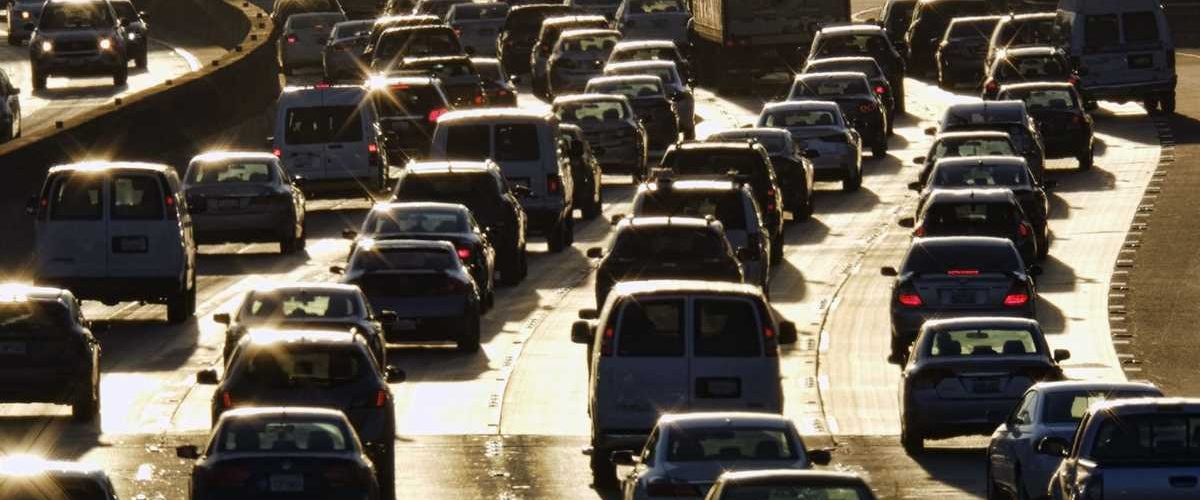
California drivers already shoulder sky-high gas and registration costs, and now a new state budget line could shift $20 million from the motor vehicle account to pay state highway patrol officers who might serve as personal security for current and former elected officials, including Governor Gavin Newsom, depending on threat assessments; that choice raises questions about priorities, fairness, and whether motorists should fund security for politicians who have other means to cover protection.
The state has a long history of taxing motorists heavily, and drivers watching their fees climb have little patience for more handouts that come from the same pot. Lawmakers quietly tucked a $20 million allocation into a sprawling spending bill to cover protective details for current and former state officials and their families if law enforcement deems a threat credible. That kind of line item would be paid from the motor vehicle account, the fund motorists support through registration fees, so the expense lands squarely on people who commute, deliver, and ferry kids to school.
California’s Highway Patrol is no longer just a motorcycle escort unit; decades ago the agency absorbed protective duties that once belonged to separate state police, so it now handles Capitol and executive security in addition to traffic and highway enforcement. That expanded role makes the idea of the CHP providing security for ex-governors legally possible, but it does not make it politically or ethically tidy when those officers are financed by drivers. People who fund the motor vehicle account see a direct connection between their payments and the money being redirected toward protective services for politicians.
Officials insist the funding is neutral and based on threat assessments carried out by law enforcement, and they point out that political violence and threats against public figures have increased. “We unfortunately live in a time when threats and political violence against public officials are very real and, on the rise,” said Brandon Richards, a spokesman for the governor’s office. “Protecting current and former officials facing credible threats as a result of their public service has long been a bipartisan notion, and these security decisions are based solely on threat assessments by law enforcement.”
That explanation might sound reasonable in the abstract, but it ignores two politically salient realities: the governor has a substantial campaign war chest, and campaign or private funds can already be used for security. Campaign finances and private means could cover protective details for high-profile politicians without dipping into accounts meant for roads and registration. Lawmakers who oppose the shift argue the motor vehicle account is already under strain and that diverting money risks driving the fund toward insolvency.
The State Senate’s Republican Vice Chairman of the Budget Committee warned the account could be exhausted within a few years and questioned whether it is proper to use drivers’ fees for this purpose. “It is in my opinion inappropriate, and it might even be unconstitutional,” said Roger Niello. He added, “He has a sizable account for his campaign,” noting that campaign funds exist precisely to pay for expenses related to a politician’s public profile.
There is also a fairness question: why should ordinary Californians, many of whom are stretched thin by high living costs, underwrite security for the political class when other funding options exist? Drivers already pay among the highest gas taxes and registration fees in the nation, and those charges have consequences for household budgets and business costs. When the state takes another bite out of the motor vehicle account, those effects ripple outward to commuters, small businesses, and anyone who relies on transportation to make a living.
Operationally, the CHP is capable of providing protective services, but assigning that role under state funding raises transparency concerns. Lawmakers and the public deserve clarity about how threat assessments are conducted, who decides when protection is needed, and whether less costly alternatives were considered. The lack of clear answers fuels skepticism, especially when officials decline to say whether specific individuals will take advantage of the new money.
Public frustration is compounded by policy choices that have pushed industries and jobs out of state, from punitive regulations to taxes that make doing business harder. Many drivers see a pattern: rising fees and fewer services, while politicians maintain their access to security and privilege. That perception shapes voter attitudes and feeds into broader debates about fiscal responsibility and the proper role of government.
Practical pushback will likely come from fiscal conservatives and taxpayers who demand that funds intended for roads, safety, and maintenance be spent on those priorities, not redirected for political protection. If the motor vehicle account truly faces depletion in a matter of years, lawmakers should be pressed for alternatives that protect infrastructure funding and keep motorists from being subsidizers of political security.
https://x.com/ZavalaA/status/2094656740591849900
There are also symbolic stakes: handing over drivers’ money to fund protections for officials sends a message about whose interests the state serves. For voters already skeptical of Sacramento’s priorities, this move reinforces a narrative that the decision-makers are insulated from the consequences ordinary Californians feel at the pump and at the DMV.
“California lawmakers set aside $20 million in transportation funds this year for current and former state elected officials, including Gov. Gavin Newsom, if they need state highway patrol officers to serve as their personal security detail.
The funding is a line item tucked into a 300-page spending bill state lawmakers approved on Tuesday morning after filing it on Saturday night.
The money specifically provides California Highway Patrol officers to serve as the personal security for current or former elected officials and their families, depending on the results of a threat assessment. KCRA 3 was the first to report the plan Monday night.”
The debate is as much about optics as it is about budgets: voters will weigh whether elected officials have exhausted other funding routes before tapping fees collected from commuters. If protections are warranted, the public wants to see cost-effective, transparent solutions that do not imperil accounts vital to road maintenance and safety. At the very least, Californians deserve an honest accounting of who benefits, who pays, and whether the state’s fiscal priorities reflect the needs of everyday residents.
For many drivers, this is one more example of a state that expects them to absorb costs while services and accountability lag behind, and that sentiment will shape conversations about budget transparency and the allocation of taxpayer dollars going forward.
Tell Newsom to use all of his Ill-Gotten Gains (Thievery) to pay the bills or just get out of America!