
I’ll outline how President Trump’s recent name-change moves and social posts stirred reactions, trace past similar proposals, explain the strategic context around the Strait of Hormuz idea, and highlight the political theater driving the response. The piece stays focused on the naming moves, the reactions they provoked, and why the ideas resonate with a conservative audience. It keeps quotes exactly as provided and preserves embed tokens in their original locations. The tone is conversational and pointed, and the content avoids outside source links or credits.
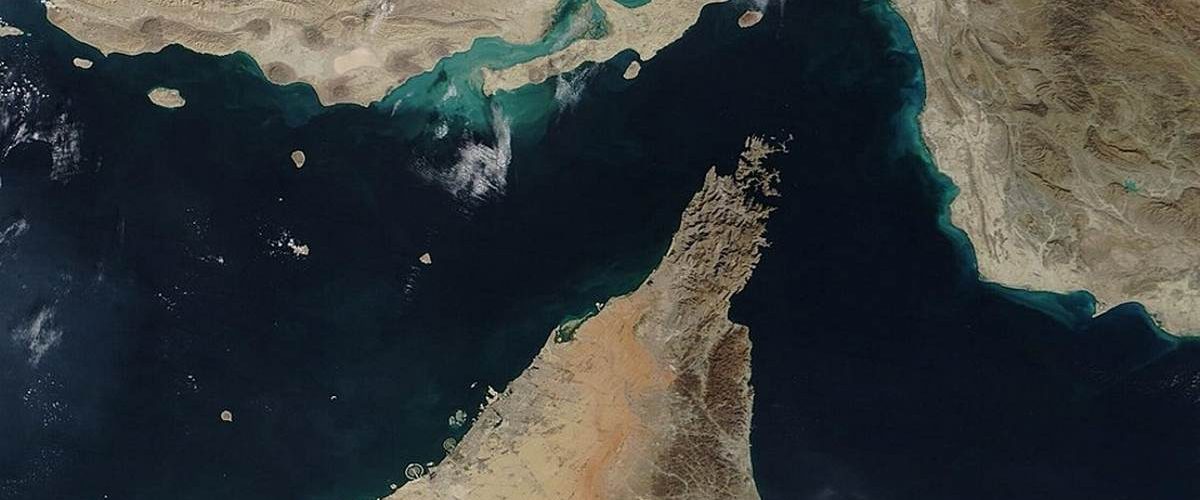
President Trump has made a habit of poking at geography and headlines, and his latest salvo about renaming the Strait of Hormuz fits that pattern. After pushing “Lake America” for Lake Ontario, he floated renaming the Strait of Hormuz in a Truth Social post, a move that blends policy signaling with provocative trolling. Conservatives see this as a clever way to own the narrative and remind people that the United States calls important shots on strategic waterways when it chooses to.
Earlier, the administration changed the name of Lake Ontario to Lake America via executive action, which predictably set off diplomatic hand-wringing from across the border. Canadian officials and some Democrats reacted with theatrical outrage, while commentators from the left tried to score cultural points. For many on the right, the move felt less like real damage and more like a reminder that Washington answers to American interests first.
This kind of rebranding follows other Trump-era ideas that were part policy and part spectacle, like shifting the Gulf of Mexico nomenclature and earlier mentions of Greenland. The obvious point: naming matters in diplomacy and maps matter in politics. When the president calls out a name, it signals an alignment of policy, media narrative, and public attention—all three things the left hates to lose control of.
On social media the president wrote about the Strait of Hormuz in a way that blended seriousness with tongue-in-cheek provocation. That embed stands where the original post appeared, and the tone there was unmistakably half serious, half trolling. The strategic waterway is a choke point for global trade, and asserting symbolic control over it plays to a base that values strength and clarity in foreign policy.
There is a practical edge to the jokes. The United States already acts decisively to keep key global shipping lanes open, and administrations have long argued that freedom of navigation is a core national interest. Suggesting a name change or even territory status for the Strait signals an intent to tie that reality to American sovereignty in public perception. That kind of messaging is effective with voters who want demonstrable toughness abroad.
Trump later downplayed the idea in the Oval Office by saying he was “just thrown out there,” which keeps plausible deniability handy while the suggestion circulates. Even so, he has elsewhere mused about making the Strait a U.S. territory, a claim that feeds both critics and supporters. The political upside is clear: it forces opponents into predictable outrage, while the base enjoys the spectacle of flipping the script on globalist hand-wringers.
The idea of naming the body of water after the president comes after Trump has also suggested that he will make the strait a U.S. territory.
“Pretty soon, I will be declaring the Hormuz Strait a territory of the United States,” Trump said during remarks last month.
https://x.com/RapidResponse47/status/2095171190994186345
That quote lands without alteration because it captures exactly how the president frames big, headline-grabbing ideas. Republicans appreciate blunt talk that ties policy to clear outcomes, even if the immediate legal or diplomatic steps are rhetorical. The left treats these remarks like sacrilege, which only makes them more useful politically for conservatives who prefer to change the narrative rather than apologize for it.
Observers should remember that moving names around has real symbolic power even when it lacks immediate legal force. Changing how Americans and American institutions refer to a place affects public perception, commercial labeling, and the talking points of allies and adversaries. Naming is a low-cost, high-visibility tool that can shift discussions in Washington and on cable news without firing a shot.
As the Lake America dust settles, the president noted that Apple Maps and Google Maps were part of the naming conversation, and he celebrated what he called a completed change in how the lake appears digitally. That sort of digital confirmation matters because it locks a naming preference into everyday use for millions of people, and it turns a political stunt into an apparent fact on consumer platforms.
There will be plenty of predictable heat from foreign leaders and domestic opponents, and the performance value is part of the plan. Even Bill Maher and liberal pundits will ship off angry monologues while rank-and-file conservatives enjoy the distraction and the reminder that someone in power is willing to push back. It’s theater with teeth: bold, simple messages that rally a base and bait opponents into overreaction.
Whether any of these renaming ideas become formal U.S. policy or remain durable talking points, they already achieve their key political purpose. They shape conversation, keep the president central to big foreign-policy questions, and make the opposition look small-minded in the process. The map wars are underway, and conservatives are enjoying the fight.


Add comment