
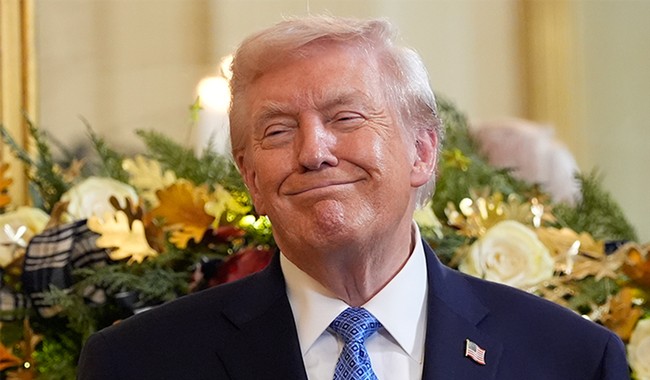
President Trump is using the year-end lull to host pivotal talks at Mar-a-Lago with leaders from Ukraine and Israel, aiming to push fragile negotiations over the finish line and present concrete peace plans before the new year.
Holiday downtime won’t slow this White House. Instead of Netflix and leftovers, Mar-a-Lago will welcome Volodymyr Zelensky first, then Benjamin Netanyahu, as the president moves to turn mediated proposals into real agreements that could reshape conflicts in Europe and the Middle East.
The Zelensky stop matters because it follows intensive shuttle diplomacy by Trump advisers and private envoys who have been negotiating details for months. Those efforts, led publicly by Steve Witkoff and Jared Kushner, reportedly moved talks forward with Ukrainian and Russian interlocutors and set the stage for the highest-level meeting at the Florida estate.
Zelensky teased a meeting with Trump in a social media Friday, saying, “We have agreed on a meeting at the highest level – with President Trump in the near future. A lot can be decided before the New Year. Glory to Ukraine!” That post suggested the framework Trump offered was near completion and signaled Kyiv’s willingness to engage directly to finalize terms.
Behind the scenes, negotiators describe sharp progress. One U.S. official said, “We’ve gone as far as possible with the Russians and the Ukrainians. We’ve made more progress in the last two weeks than the last year. We want to push the ball into the goal. We’re heading in the right direction.” That blunt assessment captures how the team views momentum and the need to seize this narrow window.
The Kremlin confirmed contacts between Russian foreign-policy aides and U.S. counterparts, suggesting Moscow is at least talking through key elements rather than rejecting them outright. If all sides show the political courage to accept compromise, the Mar-a-Lago meeting could lock in terms that stop the grinding attrition and create space for reconstruction and diplomacy.
Immediately after Zelensky’s visit, Trump plans to host Israeli Prime Minister Benjamin Netanyahu to address Gaza and the fragile ceasefire there. The peace effort for Israel involves a multi-phase plan that would include external guarantors and a pathway requiring Hamas to give up weapons as part of a broader security arrangement.
Witkoff and Kushner have also been in talks with regional partners — Egypt, Qatar, and Turkey among them — to build the scaffolding for a phase two in Gaza that would stabilize the territory and reduce violence. Those conversations are practical, focused on security arrangements, humanitarian access, and steps that would allow Israel to step back while local governance evolves under strict oversight.
Not everyone sees the timeline the same. There are private frustrations in Washington about perceived delays from Israeli leaders, but the Israelis call the Mar-a-Lago sit-down “a crucial meeting.” As one insider put it, “Bibi is trying to convince a one-man audience. The question is whether Trump will side with him or with his top advisers when it comes to Gaza. Who knows what Trump will choose?” That candid line underlines the unpredictable edge in these high-stakes talks.
Trump has repeatedly framed his foreign-policy pitch around deal-making and direct outcomes, and he has said he is the “president of peace.” Whether that branding holds will depend on whether the Mar-a-Lago conversations translate into signed arrangements or clearly defined next steps that both reduce bloodshed and offer enforceable guarantees.
The coming days will be a test of whether outside-the-Beltway diplomacy can deliver where traditional channels have stalled. If the administration can produce a workable framework for Ukraine and a credible, phased plan for Gaza, it would be a major foreign-policy achievement going into the new year.
These meetings are as much about leverage and optics as they are about text on a page. Hosting two wartime leaders back-to-back sends a message that the U.S. can convene, broker, and potentially secure agreements that others can implement — but success still hinges on hard choices by the parties involved and sustained enforcement by allies.

Add comment