
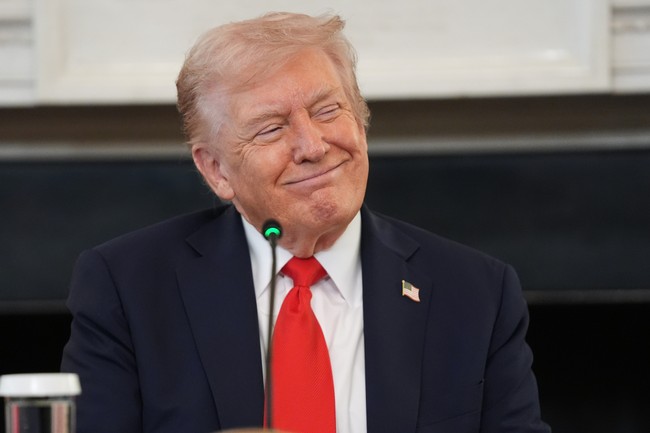
The new polling snapshot shows President Donald Trump regaining ground, with a recent InsiderAdvantage survey putting his approval at 50 percent among likely voters, up from 44 percent the previous month; this shift follows his Dec. 17 address, favorable inflation data, and apparent gains with independents, younger voters, and women. At the same time congressional Democrats remain deeply unpopular, and the contrast between party approval and presidential approval is driving fresh debate about messaging, policy wins, and what Republicans in Congress should prioritize going into 2026.
Recent public opinion data has been eye-opening, especially when you line up party approval with presidential approval. Congressional Democrats hit a remarkably low approval rating in a Quinnipiac survey, a number commentators described as historically bad, and that set the backdrop for the new Trump numbers. Those low figures for Democrats make a rebound for Trump more salient, since voters often weigh congressional performance and executive leadership differently.
The InsiderAdvantage poll of 800 likely voters shows a 50 percent approval rate for Trump, with 41 percent disapproving and 9 percent undecided, and a margin of error around plus or minus 3.5 points. That is a noticeable jump from November’s 44 percent, and the pollster pointed to timing as a factor — the president’s address and a positive Consumer Price Index release came right before the survey window. When macroeconomic indicators improve even slightly, presidential standing often moves in response, and this appears to be a classic example.
The pollster noted gains across several demographics, which matters for general election math and for midterm positioning. “The improvement came from numerous demographics — including and most importantly independent voters. His support among younger voters rose, as did his support among female voters,” Towery went on. [….]
The InsiderAdvantage poll surveyed 800 likely voters by a combination of cellphone calls and text messages Dec. 19-20, with a margin of error of plus or minus 3.5 percentage points.
That quote captures how the movement wasn’t isolated to a single slice of the electorate, but rather showed up in multiple groups that parties fight for in swing contests. Independent voters are the classic swing cohort, and if their support tilts, it changes the tactical landscape for both parties. Gains among younger and female voters are especially important because they can alter expectations about turnout and issue salience in the midterms.
Comparisons to other polls show volatility, but InsiderAdvantage performed well in 2024 at measuring Trump’s support, which gives weight to its results this cycle. Aggregators average various pollsters, and those averages can mask shifts that individual, accurate pollsters detect early. Even when some mainstream trackers show the president in the mid-40s, a reliable poll showing 50 percent signals movement worth noting.
Beyond the numbers, there are tangible policy narratives Republicans can press to reinforce these gains: the economy, inflation trends, energy prices, and border policies. Economic indicators like CPI readings and gas prices often drive voter sentiment, and when those indicators improve, incumbents usually benefit. The administration has emphasized domestic achievements in recent communications, and the polling bump suggests those messages landed with at least a portion of the electorate.
Republicans in Congress face a practical choice: use the current political leverage to convert favorable headlines into concrete legislation and visible accomplishments, or risk seeing public optimism fade. Midterm outcomes are rarely decided by a single poll, but momentum and perceived competence matter. Delivering results that voters can point to, especially on cost-of-living issues, will be critical for maintaining and expanding these approval levels.
Political strategy should pair messaging about wins with steps that produce measurable outcomes for constituents, since rhetoric without results tends to lose steam. Voters respond to policies that affect their pocketbook and security, so prioritizing bills that address affordability, economic growth, and border control will resonate. Action is the bridge between short-term polling gains and lasting electoral advantage.
There are risks and unpredictables in any polling snapshot, including sample frames, turnout models, and short-term events that shift sentiment. Still, a poll showing a sizable uptick after a public address and favorable economic news is meaningful in a season when narratives are contested daily. Parties that interpret these signals correctly and act decisively will be better positioned as the next electoral tests approach.
Real-time polling swings underline both opportunity and responsibility: opportunity to capitalize on improved sentiment, and responsibility to turn favorable numbers into policy wins that voters notice in their daily lives. The contrast between a weaker congressional approval and a stronger presidential approval raises clear priorities for Republicans who want to convert national momentum into durable political success.
https://x.com/GasBuddyGuy/status/2003111841669755275


Add comment