
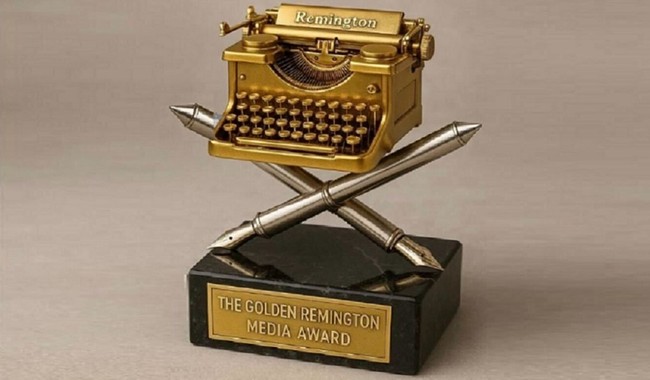
The media’s latest missteps get a blunt, skeptical look in this roundup, calling out sloppy reporting, exaggerated claims, and odd leaps of logic across national and local outlets; the piece nominates nominees for a mock awards list that highlights everything from misreads on historical symbols to hysterical analogies and factual mistakes in breaking coverage. Each entry focuses on a reporter or segment and explains why the coverage missed the mark, often by confusing context, conflating unrelated ideas, or rushing to politicized conclusions.
The premise here is simple: call out examples where journalists substituted slogans for scrutiny and rushed to judgment. The tone is pointed and critical, aiming to show how careless framing and poor sourcing create misleading public narratives. Each nomination picks a specific incident and explains the error without drifting into academic debate.
The first nomination targets a report that labeled an old Revolutionary-era flag as something much darker, asserting links to modern extremism without clear evidence. The criticism is that the reporter conflated separate meanings and contexts, then deleted online comments that looked uninformed. The point is not about the flag itself but about the sloppy leap from image to accusation.
Another nominee is a correspondent who equated a routine typeface choice at a government agency with authoritarian symbolism. The objection here is twofold: first, using “Nazi” analogies to describe bureaucratic typography drains the accusation of meaning, and second, the context shows the font change was a restoration of a prior standard. Rhetorical overreach turned a mundane design decision into a manufactured scandal.
A national columnist drew attention for a short post that tangled praise for one politician with criticism of another in a way that read as conflicted and eager to inflame partisan divides. The column tried to scold one side while applauding a rival, producing a paragraph that seemed to contradict itself in quick succession. The effect wasn’t analysis so much as a dizzying mix of cheerleading and scolding that undermined credibility.
Breaking-news coverage of a campus shooting earned a nomination for the reflexive push toward policy prescriptions before the facts were clear. Hosts and guests quickly pivoted to calls for gun control and described weaponry inaccurately, even as early reports contradicted those claims. The criticism is about haste: rushed conclusions in the chaotic first hours can misinform billions of viewers.
A network analyst was singled out for elevating the danger of common attachments on firearms, describing them as military-grade enhancements when they are widely available consumer accessories. The report implied a level of technical sophistication that simply wasn’t supported by the evidence presented. Drawing fear from unfamiliar vocabulary risks turning legitimate concern into melodrama.
On the sports beat, a columnist suggested that racial dynamics at a university factored into a postseason snub, asserting motives without substantiation. The piece relied on speculation about why a team was left out rather than examining selection criteria or performance metrics. Charging institutions with bias is serious and requires more than insinuation.
Local reporting connected an immigration enforcement action to a high-profile historical case by association through family ties, suggesting a narrative link that reads as tenuous at best. The element of coincidence was stretched into implication, creating a story that felt like a puzzle forced to fit. Newsrooms should distinguish between correlation and meaningful causation before implying systemic connections.
Cultural commentary also made the list for repeatedly amplifying a digital personality’s influence into a broader, offline power that doesn’t have clear evidence to back it. Claiming that an online presence translates directly into real-world factional power oversimplifies how media and politics interact. The media’s wish to turn clicks into cultural seismic events often outpaces measurable impact.
Editor’s Note: The mainstream media continues to deflect, gaslight, spin, and lie about President Trump, his administration, and conservatives.
Across these examples, the recurring problem is the same: a lack of careful sourcing and a rush to spin. Whether the error is mislabeling a symbol, weaponizing a font choice, or leaping from coincidence to conspiracy, the result is the same — public confusion and eroded trust. Journalistic responsibility demands patience, precise language, and a respect for context that was missing in these cases.
Calling out bad journalism doesn’t mean denying mistakes ever happen; it means holding reporters and outlets to a higher standard when they make claims that shape public debate. When the press opts for outrage over accuracy, it invites justified skepticism. These nominations aim to highlight that pattern so readers can spot it and expect better from the institutions that inform our civic life.


Add comment