
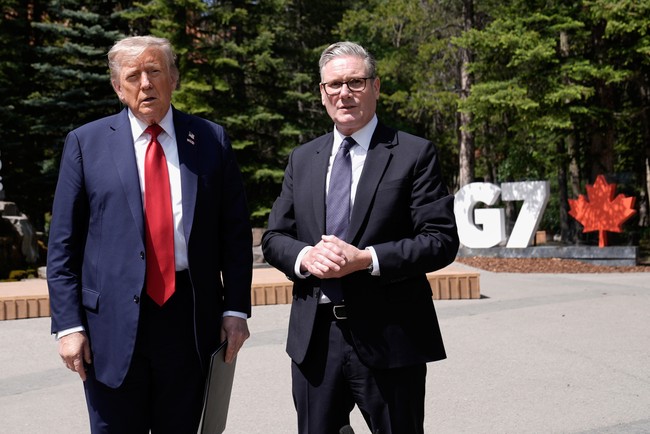
This article reports on a sharp exchange between President Donald Trump and U.K. Prime Minister Keir Starmer over Britain’s initial refusal to let U.S. forces use its bases during Operation Epic Fury, the later partial reversal to allow “defensive” access, and the broader implications for the long-standing U.S.-U.K. alliance.
Relations between Washington and London are under strain after Britain initially denied access to airbases for strikes tied to Operation Epic Fury. The U.K. later allowed American bombers to use certain airfields for “defensive purposes” once the campaign had already swung heavily in the United States’ favor. That delay and the phrasing of the reversal have been framed as a diplomatic slight by American leaders who expect steadfast support from traditional allies.
President Trump publicly called out Prime Minister Keir Starmer, making clear he remembers who steps up from the start and who shows up later. His message was blunt and unapologetic, designed to signal that alliances are earned through prompt action, not post facto appearances. The comment reflects a broader Republican view that allies must demonstrate shared commitment in real time, especially during high-stakes military operations.
Trump’s post was posted even as U.S. and Israeli strikes continued, and it left little room for ambiguity about how he sees the breach. The president’s words are precise and were delivered in a tone meant to wound and remind: loyalty matters when lives and strategy are on the line. The timing emphasized that the administration values decisive partnerships and views delayed cooperation as a form of political betrayal.
The United Kingdom, our once Great Ally, maybe the Greatest of them all, is finally giving serious thought to sending two aircraft carriers to the Middle East. That’s OK, Prime Minister Starmer, we don’t need them any longer — But we will remember. We don’t need people that join Wars after we’ve already won! President DONALD J. TRUMP
That exact quote has been widely circulated and repeated, and its bluntness is part of why it resonates with supporters who favor firm foreign policy stances. “We don’t need people that join Wars after we’ve already won!” cuts to the core of expectations around allied behavior. For many conservatives, such plain-speaking is a welcome break from diplomatic niceties that can feel like excuses for inaction.
The U.K. Ministry of Defense later clarified that an aircraft carrier had been placed on advanced readiness and that some vessels were preparing for possible deployment. Officials described those moves as precautionary and defensive, rather than direct participation in the strikes. Critics in the United States counter that waiting to act until the outcome is clear is not the mark of a reliable partner.
Domestically, Trump used the moment to point out a pattern he sees in governments that hesitate: when allies become more talk than action, strategic relationships fray. Republican commentary has stressed the need for allies who stand shoulder to shoulder from the outset, not those who paddle over only after the tide has turned. This episode is being cited as an instructive example of how alliance credibility can erode quickly.
Across the Atlantic, some British officials defended their choices as cautious and legally minded, arguing that actions in volatile regions require calibrated decisions. That stance, however, is unsatisfying to those who argue that strategic deterrence depends on clear, early commitments. The debate now is whether Britain’s hesitancy was a one-off judgment call or a sign of longer-term drift away from traditional military solidarity with the United States.
Political fallout is already visible: opponents of Starmer have seized on the episode to paint his leadership as indecisive at a critical moment. Supporters of decisive American policy see Trump’s rebuke as both justified and necessary to remind partners that shared values mean shared burdens. For voters who prioritize national strength and dependable partnerships, this confrontation underscores the value of leaders who act swiftly and with conviction.
Whatever the longer diplomatic consequences, the incident has crystallized a simple demand from American conservatives: allies should commit early, clearly, and consistently. When they do, partnership is strengthened; when they do not, trust frays and political leaders take notice. This episode will likely be cited in future debates about defense cooperation and the expectations placed on longstanding allies.


Add comment