
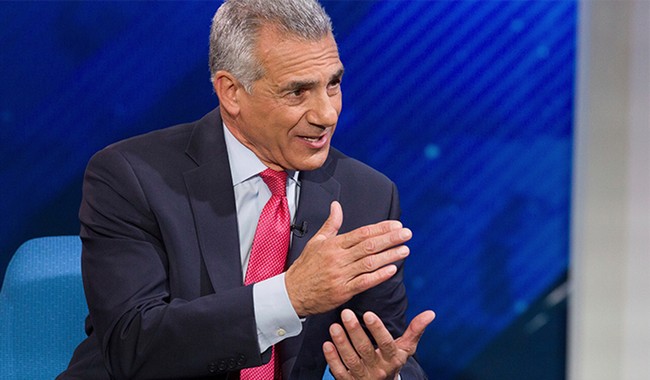
Jack Ciattarelli’s New Jersey gubernatorial bid picked up a high-profile assist this week when President Donald Trump joined a supporters’ town hall by phone, blasting Democrat Mikie Sherrill and praising Ciattarelli’s energy proposals, while a campaign ad voiced by Kelsey Grammer added a touch of celebrity to the GOP message. With early voting underway, the race tightened and local signs — crossover endorsements, union shifts, and polling debates — are fueling talk of a possible Republican upset in a state long trending blue.
The phone town hall put Ciattarelli squarely in a national spotlight, as President Trump used blunt language to contrast the two candidates’ energy plans and to promise to campaign for the Republican after his Asia trip. Trump said, “Mikie, as they call her — the only thing she’s got is an unusual name, other than that she’s terrible,” and later warned that Sherrill’s energy policies “would send your prices soaring and make New Jersey even more expensive than it already is.” Those lines land in a state where voters feel the pinch at the gas pump and at the utility bill.
Trump went further in backing Ciattarelli’s pitch on energy, telling the audience, “Jack is going to be great and he’s going to cut your energy bills in half, and she’s going to double your energy bills so New Jersey, just on energy bills alone … on energy alone, I think Jack should win.” That sort of plain-spoken promise plays well for a campaign focused on relief from high costs, and it frames the choice for voters in economic terms they understand.
Ciattarelli’s campaign has emphasized practical, conservative priorities and highlighted a roster of endorsements that includes disaffected Democrats and union groups that once backed the incumbent party. The narrative on the ground is that New Jerseyans are fed up with rising costs and diminished quality of life, and that a candidate offering relief and accountability can break the pattern. Those signals matter in a close race where turnout and local dynamics will decide the outcome.
Polling averages still show a lead for Mikie Sherrill, but party operatives and poll watchers on the right point to outlier surveys and methodological quirks that may undercount Republican strength. One analysis noted that the RealClearPolitics average has Sherrill ahead 48.1 percent to 44 percent, but cautioned that some polls in the mix skew toward the Democrat and may not reflect late movement. In tight contests, a few percentage points and which likely voters show up can flip the result.
Local shifts are worth watching. Prominent Democratic officials have crossed lines to endorse Ciattarelli, and at least one major labor union has moved its support, signaling dissatisfaction with the status quo. Republican strategists argue that these defections reflect voters’ pragmatic concerns about jobs, inflation, and public safety rather than pure party loyalty, and they see an opening to convert those concerns into votes down the ballot.
Republicans also point to worries inside the Democratic coalition, especially about turnout in communities that traditionally vote Democratic. The party’s focus on energizing base voters meets a realistic counterargument: if enthusiasm falls in key areas, the margin for an upset grows. That risk gives the GOP a straightforward path to victory if it can keep its voters engaged and persuade independents who prioritize pocketbook issues.
Advertising plays a role in shaping perceptions, and Ciattarelli’s team landed a notable boost when Kelsey Grammer, a New Jersey native, provided the voiceover for a campaign spot. The ad aims to blend familiar celebrity influence with a conservative message about cutting costs and restoring competence in Trenton. Small signals like that can sway undecided voters who respond to a polished presentation as much as to policy talk.
Conservative commentators on the ground are upbeat about the fundamentals, arguing that momentum and smart targeting could produce an upset and deliver consequential GOP gains statewide. They point to Ciattarelli’s message on energy, endorsements from former Democrats and unions, and a campaign that emphasizes common-sense reforms as the recipe for a win. If Republican turnout is strong and the Democrats’ coalition wavers, the math could tilt in Ciattarelli’s favor.
Meanwhile, voters in New Jersey face choices framed by cost-of-living concerns and questions about leadership from the statehouse. The campaign’s final days will be dominated by retail outreach, ad buys, and efforts to move late-deciding voters. That is where clear promises about lower bills, sharper priorities, and practical governance will need to meet voters where they live and spend, with a crisp message that Ciattarelli’s team believes can close the gap.
My colleague Adam Turner just dropped a new column, with his reading of the tea leaves – a week-and-a-half out from the off-year elections – has hopeful signs about the NJ gubernatorial election for the Republican candidate. Partly, he says, this is because of some wonky numbers favoring the Democrat being folded into the polling average in the home stretch:
The RCP average still has Democrat Congresswoman Mikie Sherrill leading Republican former state legislator Jack Ciattarelli, 48.1 percent to 44 percent. But Sherrill’s numbers are boosted by at least one poor polling outfit that has a bad habit of underestimating the GOP vote.
Turner highlights other indicators that the GOP could be competitive, including local endorsements and union moves, and notes the potential impact on down-ballot races if Ciattarelli can carry the day. The combination of a clear cost-driven message and visible defections from Democrats gives Republicans a storyline to sell in the final stretch. Campaigns now will ask: who can deliver voters to the polls?
Otherwise, Ciattarelli seems to have the BIG MO. He endorsed by nearly a dozen prominent local and state Democrat officials.
…
Labor unions that supported [former Dem Gov. Phil] Murphy before are switching to Ciattarelli. The Democrats are increasingly concerned about the turnout in the black community, which in the 2024 races showed a willingness to vote Republican.
Congressman Jeff Van Drew captured the anger some voters feel about the state’s direction, saying New Jerseyans are “sick and tired” of decline under current leadership. That sentiment fuels the pitch that a change at the top could deliver concrete improvements. The campaign’s closing argument will try to turn frustration into votes by offering immediate, tangible promises.
I’ll leave you with one more small signal that the Jersey GOP candidate’s campaign is doing the right things; putting out a great ad like this for Ciattarelli doesn’t hurt one bit.
Oh yes, the voice over is by none other than NJ native son… Kelsey Grammer:
Whenever Republicans can bring authentic star power to a campaign while selling a conservative vision for affordability and security, it sharpens the contrast with liberal incumbency. The final few days will test which message resonates most with New Jersey voters who are ready for relief and results.



Add comment