
This piece argues that Stranger Things season five has strong imaginative moments but is weakened by forced social messaging, uneven performances, and writing choices that undercut character and military portrayals; it traces the show’s rise from a standout first season to a finale that, in the author’s view, could have been fixed with clearer priorities and better character handling.
The Problems With Stranger Things’ Fifth Season Could’ve Easily Been Avoided
I love Lovecraftian horror and the particular dread that comes with cosmic, unknowable threats. That feeling is why Stranger Things hooked me from the start: a small Indiana town, 1980s vibes, and a mystery that felt both retro and fresh. The first season remains, in my view, one of streaming’s greatest moments because it balanced mood, mystery, and tightly drawn characters so effectively.
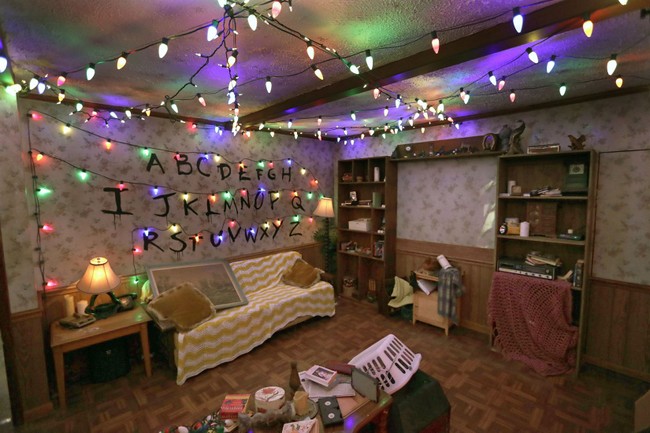
The show’s early strength was as much about people as it was about monsters, with performances that made you care before the supernatural stakes even hit. Joyce Byers — Winona Ryder’s role — is a standout example of a parent driven to extremes by love and fear, and the scene where she communicates with her son through Christmas lights ranks among television’s most inventive. Early seasons made friendship and family the emotional core, which kept the horror grounded and meaningful.
After that breakthrough, the series never quite matched the original’s purity, though it did find bright moments and memorable characters along the way. By season three the show began shifting tone, introducing new characters and altering dynamics in ways that felt less organic to the series’ original strengths. Some additions and choices worked, some felt like departures from a show that had earned its original trust from viewers.
A major complaint here is that by season four and into season five, romantic plots were pushed forward in ways that distracted from the show’s central bonds. The piece argues that romance was always secondary — fine when subtle — but grew into a structural beating drum that pulled focus from the mysteries. Introducing and foregrounding sexual identity in ways that feel engineered for modern checklists, rather than emerging naturally from character, is the heart of this criticism.
“Just embrace your gayness, and you’ll unlock your true potential” is cited as an example of a line that feels out of place inside a period-driven horror series. The argument is not that gay characters can’t exist in the 1980s setting, but that when a character’s identity becomes a literal trigger for newfound powers and screen-time pivoting, it reads as a modern imposition on a story that used to breathe on friendship and survival. That tonal friction pulls viewers out of Hawkins and into a present-day conversation that the writer feels the series does not need.
“But Brandon, homosexuals were around back then, too!” is copied here verbatim from the original objection and used to emphasize the rebuttal: the point is not presence but narrative fit. The piece acknowledges that queer characters can be written well — citing shows and characters that handled representation convincingly — and says the issue is when representation is shoehorned in as a plot mechanism rather than woven into character truth. When emotional beats feel manufactured, the audience stops believing in stakes and motivation.
Performance concerns are also called out, with certain actors described as wooden or overwrought; these juxtapositions matter because the show relies on ensemble empathy. When some performances read awkward, others have to carry more weight and compensate for tonal swings, which can feel uneven across extended episodes. The author credits actors who still deliver, naming a handful who keep scenes anchored despite the series’ broader issues.
Another point raised involves how the show treats the U.S. military in climactic scenes, where soldiers are painted as uniformly villainous so that their deaths feel inconsequential. The writer finds that framing lazy and disrespectful, suggesting better writing could have made military casualties feel tragic, heroic, or at least narratively justified. If the army had been shown as overwhelmed by a clearly superior supernatural threat, their losses could have worked dramatically without moral dismissal.
The core complaint is about priorities: the series’ best moments always came from human bonds and escalating mystery, not ideological signaling. Season five, as described here, stalls those strengths by elevating social messaging and clumsy emotional arcs above plot tightening and character coherence. The result is a show that still has sparks of brilliance but is bogged down by choices that could have been avoided with sharper writing and a clearer sense of what made the series special.
There are scenes and sequences that still suggest the series could recapture greatness, and the author recognizes that the imaginative backbone of the show remains potent. Yet the overall tone of this critique is that creators spent energy on inserted agendas rather than polishing the fundamentals: tension, character logic, and respect for consequential actions. With a different set of script choices and less overt messaging, the season could have been a cleaner, more satisfying capstone to the franchise.

Add comment