
I’ll explain why Dr. Casey Means’ Surgeon General nomination is stalled in the HELP Committee, identify the two Republican holdouts, outline the issues that raised concerns during her hearing, describe the stakes for the Senate vote, and note the pressure campaign around her confirmation.
Dr. Casey Means sailed through a February confirmation hearing without major fireworks, yet her nomination remains stuck in the Senate Health, Education, Labor and Pensions Committee. The committee balance is razor thin: 12 Republicans and 11 Democrats, so Chairman Bill Cassidy needs every GOP vote to report the nomination out to the floor. With Democrats firmly opposed to much of the MAHA agenda, Cassidy cannot afford a single Republican defection if he wants a clean path forward. Two Republican senators have not publicly committed to supporting Means, and their hesitation is what’s holding this up.
America is drowning in chronic disease. Obesity, diabetes, heart disease, and metabolic chaos are not accidents—they’re the predictable result of a healthcare system engineered to keep patients sick and dependent. The solution is sitting in front of the Senate: Dr. Casey Means, President Trump’s pick for Surgeon General.
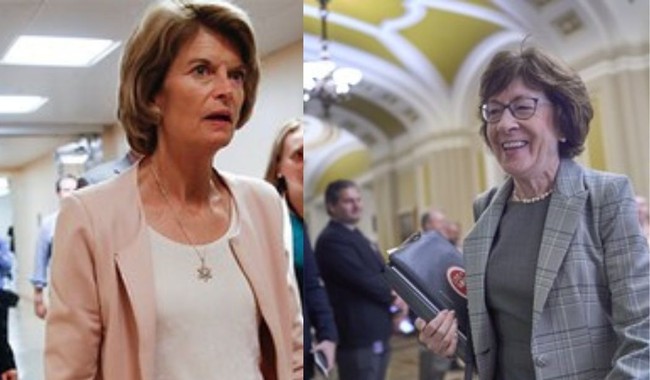
But her confirmation is being held up, blocked in committee. The process now hinges on two Republican senators: Susan Collins of Maine and Lisa Murkowski of Alaska.
The two senators in question are Susan Collins and Lisa Murkowski, both of whom have a history of breaking with the party on high-profile votes. That record makes them natural swing votes in a tight committee. It also means political pressure and electoral math get mixed into what should be a straightforward evaluation of qualifications. Chairman Cassidy and supporters of Means are watching both senators closely because a single no would derail the nomination before it can reach the full Senate.
During the hearing, Collins focused attention on a passage in Means’ book where she discussed personal experimentation with psilocybin, a psychedelic compound used in some therapeutic contexts. The exchange raised questions about judgment and the boundary between private behavior and public office. Means offered a response aimed at separating her personal past from the responsibilities of a Surgeon General.
“I believe what I would say as a private citizen is, in many cases, different than what I would say as a public health official, joining a team where the purpose of this role is to communicate absolutely the best evidence-based science to the American people, to keep them safe, thriving and healthy,” Means replied.
That answer was straightforward: she emphasized a commitment to evidence-based public messaging and safety. Still, Collins’ concern appears to linger, suggesting she may want more assurance or a clearer track record on public messaging before she signs on. For moderates who prize both experience and temperate rhetoric, the psychedelic disclosure was an eyebrow-raiser, even if it did not disqualify Means outright in the hearing.
Murkowski, meanwhile, zeroed in on vaccines and public trust in federal health agencies. She probed whether Means would challenge changes to advisory bodies and vaccine schedules that were allowed under the Health and Human Services leadership. Means repeatedly said she was not anti-vaccine and underscored a physician’s duty to provide honest disclosure about benefits and risks, along with proper parental consent. That stance satisfied some senators but left Murkowski cautious.
Murkowski said on Wednesday it was too soon to say whether she supports Means’ confirmation.
“These issues are important to me,” she said of Means’ positions on vaccines. “Last year when the secretary was going through his confirmations, he made certain assurances about vaccines that in fairness I am not seeing have been kept.”
Senators weighing a Surgeon General pick will always balance expertise, public communication skills, and how nominees navigate controversial terrain. Means’ background in metabolic health and patient-centered approaches appeals to many conservatives who want a different public health narrative. But concerns about past personal choices and how she’ll handle vaccine policy questions make Collins and Murkowski cautious.
The confirmation fight has drawn organized attention from MAHA-aligned advocates who argue the movement needs an outspoken Surgeon General to shift public health away from entrenched bureaucracy. Those efforts aim to influence the two holdouts and to remind wavering senators that ideological and electoral dynamics play into their decisions. At the same time, Cassidy faces the practical reality of reelection pressures that could shape the timing and tenor of any committee vote.
As the nomination remains in committee, senators will continue to weigh Means’ statements, record, and the broader political consequences of their votes. The dynamics in the HELP Committee illustrate how narrow margins and individual senatorial caution can stall even uncontroversial nominees. For Republicans intent on advancing a new public health direction, winning over Collins and Murkowski is now central to getting this nomination to the Senate floor.

Add comment