
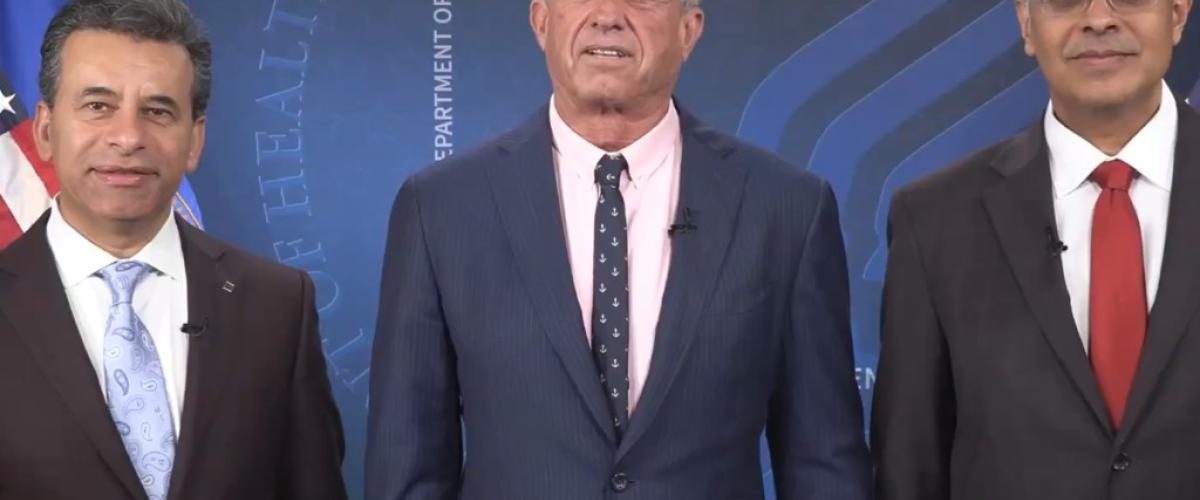
A group of public health organizations has taken legal action against Health and Human Services Secretary Robert F. Kennedy Jr. over his decision in May to cancel COVID-19 vaccine guidance for pregnant women and children. Kennedy, in a video released on May 27, criticized the Biden administration, claiming they pushed for healthy children and pregnant women to get an additional COVID-19 booster without sufficient clinical data to justify this approach. This coalition is trying to reverse Kennedy’s decision, arguing it complicates things for pregnant women and their kids, especially since some medical professionals must legally adhere to federal vaccine recommendations, as reported by the Washington Post.
The lawsuit accuses Kennedy, who is known for his skepticism towards vaccines, of consistently opposing established scientific methods and ignoring expert advice. They argue that he prefers to appoint individuals who share his anti-vaccine stance to key positions within HHS, aiming to erode public confidence in vaccines and reduce vaccination rates nationwide. The plaintiffs also claim Kennedy bypassed established federal procedures in making his decision, giving them a basis to file the lawsuit under the Administrative Procedure Act.
In the lawsuit, Food and Drug Administration Commissioner Marty Makary and National Institutes of Health Director Jay Bhattacharya are named as co-defendants. Critics argue that Kennedy’s move could endanger public health, as pregnant women and children are among the most vulnerable groups when it comes to infectious diseases. This legal battle reflects ongoing tensions over vaccine policies and public health recommendations, with Kennedy often at the center of these controversies.
Kennedy has long been a controversial figure in the vaccine debate, and his recent decision has only intensified the spotlight on his actions. Many conservatives support his call for more scrutiny and transparency in vaccine guidance, viewing it as a necessary check on what they see as overreach by the Biden administration. However, public health experts warn that undermining vaccine recommendations could have severe consequences for community health.
Fox News and Newsmax have reported extensively on this lawsuit, highlighting the dissatisfaction among some groups with current vaccine policy directions. They emphasize the need for open debate and careful consideration of vaccine guidance, particularly when it involves vulnerable populations like children and pregnant women. This legal case could set a significant precedent for how federal health policies are challenged in the future.
The New York Post also covered the story, noting the broader implications for public trust in health authorities. The paper quoted Kennedy’s supporters who argue that questioning vaccine safety and efficacy should not be vilified but seen as part of a healthy public discourse. They suggest that Kennedy’s actions reflect a legitimate concern for transparency and accountability in public health policy.
Despite the controversy, Kennedy’s stance has garnered support from those who fear government overreach in personal health decisions. His critics, however, insist that his approach could undermine critical public health efforts, particularly in promoting vaccinations that have proven effective in reducing disease spread. This debate underscores the complex intersection of science, policy, and individual rights in health care.
The lawsuit is likely to draw significant media attention as it progresses, with both sides presenting their cases for public and judicial scrutiny. As this legal battle unfolds, it highlights the challenges faced by health officials in balancing scientific guidance with public sentiment and political pressures. The outcome of this case could influence future vaccine policies and the role of federal agencies in health recommendations.
In the meantime, public health officials continue to advocate for vaccinations as a vital tool in preventing disease outbreaks. They argue that maintaining high vaccination rates is essential for protecting not only individuals but entire communities. The debate over vaccine guidance and enforcement remains a contentious issue, with significant implications for public health strategy in the United States.
As the situation develops, it is clear that the conversation around vaccines is far from settled. The lawsuit against Kennedy serves as a reminder of the complexities involved in formulating public health policy in a polarized environment. This case could have lasting impacts on how vaccine recommendations are issued and challenged in the future.
Amidst these legal proceedings, public confidence in health recommendations remains a crucial concern. Officials must navigate these challenges while ensuring that their policies are grounded in scientific evidence and public interest. This case may well be a litmus test for the current administration’s ability to maintain trust and authority in public health matters.
The outcome of this lawsuit could have far-reaching effects on how health guidance is communicated and perceived by the public. It highlights the delicate balance between individual freedoms and collective health responsibilities. As the court deliberates, the broader implications for public health policy and trust in scientific guidance will be closely watched.
As the debate continues, one thing is clear: the issue of vaccine guidance and public health policy will remain a critical topic in the national conversation. This legal challenge reflects deeper questions about the role of government in health care and the importance of scientific integrity in policy making. The resolution of this case could shape the future of public health strategy in America.
I’m with RFK, Jr. all the way. Japan has done away with mandatory vaccines for children and we need to also. They are just a moneymakers for Big Pharma which is also true of the COVID-19 “vaccine”. People would definitely benefit from less vaccines instead of more and only ones that are truly proven beneficial like Smallpox, Polio and Tetanus. The rest are unnecessary and often not even preventatives and are actually worse for some. Why give someone a disease they may never get. My grandchildren are not vaccinated and are far healthier than their peers.