
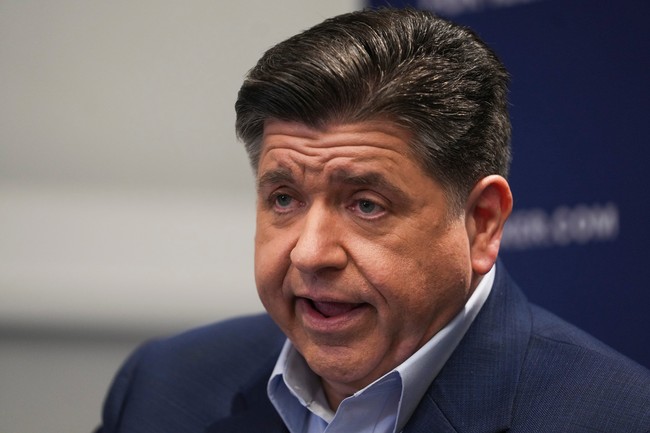
The piece examines Illinois Gov. JB Pritzker’s heavy political spending and what it could mean for Republicans as the 2026 midterms approach, detailing his donations to national committees, targeted House and Senate races, and the suggestion that his largesse may be laying groundwork for a 2028 presidential bid.
The 2026 midterms are shaping up to be decisive, and money is the grease that keeps the gears moving. Republicans face the prospect of nonstop impeachment theater, statehood pushes, and court-packing if control slips, so understanding where Democratic dollars flow matters. JB Pritzker, a billionaire governor from Illinois, is quietly wiring substantial cash into Democratic operations and candidates across the map.
Pritzker’s contributions reach deep into party infrastructure, with large checks to national committees and sizable donations to influential fundraising vehicles. Federal Election Commission filings show donations into DNC-affiliated organizations and both congressional campaign committees. Those moves don’t look random; they map to strategic priorities and vulnerable districts the Democrats want to hold or flip.
This isn’t just small-dollar help. Pritzker has put six- and seven-figure sums into groups that fuel coordinated advertising, voter contact, and candidate recruitment. He’s also been donating directly to individual campaigns, including incumbents in hard-fought districts and allies of top Democratic leaders. The scale of his giving signals more than charity; it buys visibility, influence, and goodwill inside party ranks.
Political operatives on the right note that money buys access, if not automatic votes. Ryan Girdusky, a Republican consultant, said, “Pritzker has been flirting for this run [for president] for quite some time; he’s got some advantages. His biggest advantage is his money.” That line captures how wealthy donors can punch above their political weight by funding the machines that shape narratives and turnout.
Beyond the national committees, Pritzker’s checks touch state-level ambitions too, backing candidates who could benefit a future national campaign path. He’s given to allied House members, Senate contenders and state-level PACs that support key players. The pattern looks like a two-track approach: shore up 2026 targets while sowing seeds for longer-term ambitions, possibly 2028.
Observers point out that Pritzker’s wealth comes from family holdings and private ventures, giving him the capacity to write big checks with minimal personal financial strain. That capacity matters in modern politics because well-funded campaigns can dominate messaging and outreach in battleground places. Republicans should take note when a Democrat donor can effectively match or overwhelm local resources in red or purple districts.
Pritzker’s donations include major sums to organizations that operate nationwide voter programs and joint fundraising committees. He has also backed state-focused PACs and candidates in potentially competitive races. The reach of those contributions is notable: they include seats in red-leaning states where Democrats will fight to maintain incumbents or flip tough districts.
Some Republican fundraisers worry that Pritzker is setting up a long game. An anonymous GOP consultant with fundraising experience said, “We were dealing with [Pritzker] in Wisconsin. He was basically matching us dollar for dollar. This is 100 percent him setting up for a presidential run. I’ve seen this coming for a while; others have seen this coming for a while … These are all favors he’s going to cash in.” That assessment frames big donations as a bank of goodwill and obligations that could pay political returns.
Not every observer is convinced that money alone will translate into national viability. Girdusky warned of the limits of deep pockets, noting the challenge of converting financial firepower into broad popularity in early primary states. “He was the big winner in Illinois; his backed candidates did best. But at the end of the day, if he goes into South Carolina with a five percent approval rating, it doesn’t matter how much money he’s giving. That’s generally his problem.”
Despite those limits, political capital spent now can influence which Democrats get resources, how races are contested, and which issues rise to the top of voters’ minds in 2026. Pritzker’s pattern of giving suggests he prefers to pull strings from behind the curtain, making investments where party strategists believe they’ll move the needle. For Republicans, the presence of a billionaire putting large sums into opposition efforts raises tactical and strategic questions well ahead of the fall contests.
Where this leads depends on outcomes in several tight races and whether Pritzker shifts from funding others to mounting his own national campaign. For now, his role is that of an influential financier with the capacity to alter the landscape, and both parties will be watching how those resources get deployed as the midterms approach.


Add comment