
This article reports on DHS Secretary Kristi Noem’s response to a Border Patrol-involved shooting in Minneapolis, her criticism of local leaders, the calls for cooperation and backup, and the tensions that followed between federal agents and protesters during an immigration operation.
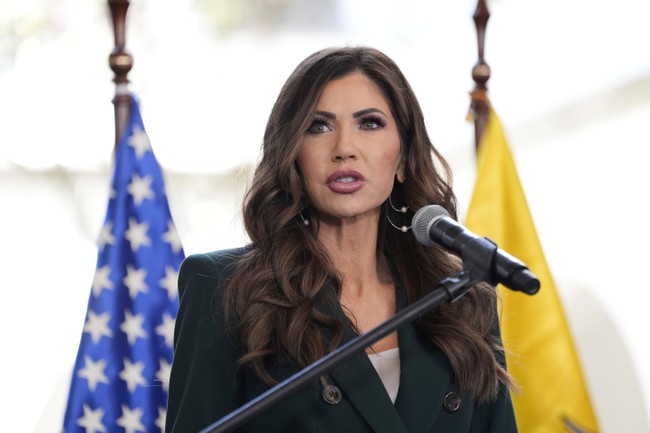
Department of Homeland Security Secretary Kristi Noem addressed the recent Minneapolis shooting at a FEMA press briefing, outlining the federal view of events and the challenges agents faced on the street. She framed the incident as part of a broader breakdown in cooperation between federal law enforcement and local officials. Noem emphasized that agents were carrying out lawful duties when the confrontation escalated.
In describing the operation, Noem reiterated details about the suspected individual’s criminal history and the officers’ efforts to apprehend a dangerous subject. She stressed that agents were protecting lives and acting under their training when they used force.
After the shooting, a large crowd gathered and clashes with officers intensified, with reports of objects thrown and physical assaults on personnel. Noem noted a particularly disturbing attack in which an officer lost a finger during the melee, a development highlighted in an X post by Assistant DHS Secretary Tricia McLaughlin.
Noem directly criticized Minnesota leadership for their public statements and response to the unrest, arguing those remarks encouraged disorder. “In other cities and states, we don’t see this [violence] happen,” she said, pointing to places where state and local officials back up federal agents instead of undermining them. She singled out Gov. Tim Walz and Minneapolis Mayor Jacob Frey, asserting, “In Minneapolis, Gov. Walz and Mayor Frey, they instead choose violence…It appears they want this lawlessness to continue.”
She laid out two specific requests for local officials: first, that dangerous criminals released from local custody be transferred to federal custody so immigration authorities can promptly remove them. “When they are going to release a dangerous criminal from their jails, turn them over to us, so we can get them out of the country as soon as possible.” Noem said that local release practices have put communities at risk during the current administration.
The second demand Noem made was straightforward: more back-up for DHS agents on the streets. “Just give us back-up on the streets” was presented as a practical appeal to restore order and safety during federal operations. She argued that without local support, federal teams are left vulnerable to coordinated opposition and violence that disrupts law enforcement work.
Noem accused Democrats of choosing to avoid confronting alleged fraud and abuse that has affected Minnesotans, claiming that political leaders prefer the distraction of unrest to accountability. She asserted that these officials “allowed, and now they want to perpetuate violence” and do “a cover-up” rather than face investigations. She also reminded reporters that some politicians have received subpoenas tied to ongoing inquiries.
When pressed about why federal agents conduct operations that intersect with local communities, Noem pointed to the suspect’s interference with enforcement and the risk to public safety. “This individual impeded law enforcement officers and attacked them,” she said, explaining that agents responded to defend themselves and civilians nearby. “These agents took actions to defend their lives and to defend the lives of those around them, and acted according to their training.”
Noem pledged that DHS would lead the investigation into the officer-involved shooting and would not allow political narratives to obscure facts. “We will continue to let this process go forward and not allow people like Governor Walz and Mayor Frey to lie about what actually unfolded on that street,” or “distract from” law enforcement’s work, she added. Her remarks framed the episode as both a law enforcement matter and a test of local leadership.
The situation in Minneapolis also raised wider questions about border policy, enforcement priorities, and the networks that traffic drugs and people across state lines. Noem blamed the previous administration’s permissive stance for enabling these flows, and pledged that under current federal leadership those networks would be dismantled. The secretary emphasized that restoring cooperation between federal and local authorities is essential to stopping criminal networks and protecting communities.
As investigations proceed, officials on all sides will face scrutiny over decisions made before, during, and after the incident. Noem’s comments made clear the administration’s priorities: backing federal agents in the field, seeking cooperation from local authorities, and pursuing accountability for those who resist or enable criminal behavior. The tensions that played out in Minneapolis illustrate the consequences when those elements collide on a crowded street.

Add comment