
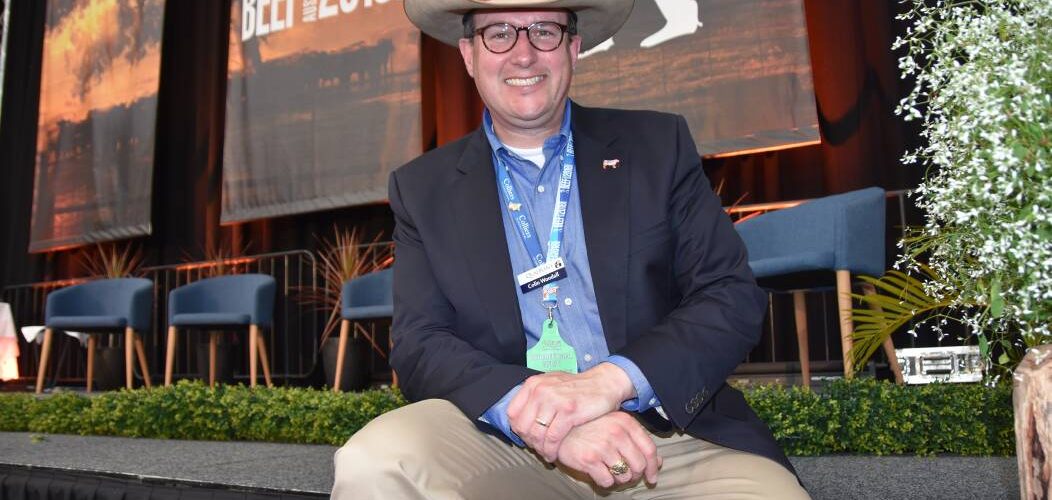
Colin Woodall, CEO of the National Cattlemen’s Beef Association, told Newsmax on Thursday that President Donald Trump’s plan to buy more beef from Argentina to drive down prices at home is well intentioned but misguided. This article explains the concerns from the cattle industry, the economic and trade trade-offs involved, and why many Republicans and ranchers favor domestic solutions that protect producers and consumers alike.
The reaction from ranchers has been swift and pointed. Colin Woodall, CEO of the National Cattlemen’s Beef Association, told Newsmax on Thursday that President Donald Trump’s plan to buy more beef from Argentina to drive down prices at home is well intentioned but misguided. That quote captures the core tension: sympathy for lower consumer prices paired with worry about long-term harm to the U.S. herd and rural economies.
At the heart of the criticism is a simple economic point. Imports can expand short-term supply, but they do not invest in American producers or the breeding and infrastructure needed to stabilize prices long term. For ranchers who have watched feed and fuel costs rise, the last thing they need is policy that undercuts their recovery or accelerates herd liquidation.
From a Republican perspective, buying foreign beef feels like an odd federal intervention. Conservatives generally prefer policies that strengthen domestic production and reward private investment rather than creating market distortions that can become permanent. The instinct here is to fix supply bottlenecks and reduce regulatory burdens so producers can compete, not to substitute foreign product for American output.
There are clear trade-offs to consider. Short-term price relief may help consumers at checkout, but if domestic herds shrink further, we risk becoming more dependent on imports in a volatile global market. That dependency can leave consumers exposed to foreign policy shifts and supply shocks that federal buying programs cannot control.
Ranchers also point to the uneven playing field created by import surges. Producers in places with higher land and labor costs cannot compete forever with countries that have lower regulatory standards or different environmental rules. That mismatch can force consolidation in the industry, hurt rural communities, and reduce the number of independent family farms that many Republicans want to protect.
Policy alternatives exist that align with conservative principles and still aim to lower consumer prices. Reducing unnecessary regulatory burdens, improving supply chain logistics, and supporting targeted tax or insurance programs for herd recovery are approaches that invest in American capacity. Those solutions can increase supply without sacrificing the long-term health of the U.S. cattle industry.
Another concern is precedent. If the federal government starts routinely purchasing foreign agricultural products to manage domestic prices, it opens the door for future interventions across other commodities. That path can entrench government involvement in markets where innovation and private investment should lead. Conservatives worry about the slippery slope from one-off purchases to permanent market management.
There is also a political dimension inside the Republican coalition. Many lawmakers represent rural districts where cattle and feed producers are major employers. They are sensitive to any policy that appears to favor cheaper imports over homegrown jobs. Supporting producers while seeking ways to ease costs for consumers is the balancing act that most Republican policymakers prefer.
Finally, credibility matters. Voters expect coherent policy that reflects conservative priorities: strong domestic industry, free markets, and limited but effective government action. A policy that buys foreign beef to address domestic inflation risks looking reactive and inconsistent. A better approach is to craft measures that reduce costs and promote American production simultaneously, keeping both consumers and producers secure.



Add comment