
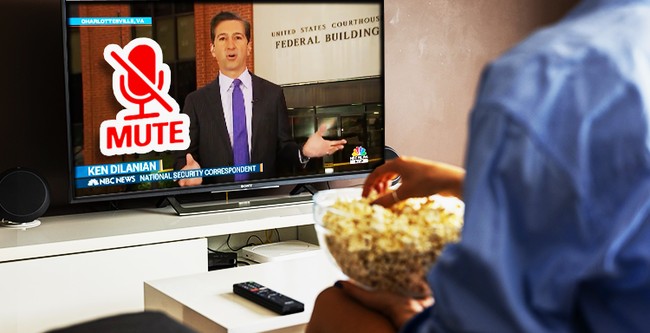
The cable channel that used to be MSNBC rebranded itself as MS NOW after a corporate split, but the change has not fixed the core problems critics point to: sloppy sourcing, anonymous allegations, and headline-grabbing narratives that collapse under scrutiny. This piece examines a recent report about FBI Director Kash Patel that relied on weak anonymous sourcing and a disputed account, shows how on-the-record denials were minimized, and argues the rebrand did not alter the network’s editorial habits. The examples include on-air personalities, specific reporting choices, and a follow-up from an FBI spokesperson that raises serious questions about journalistic standards.
The rebranding came when the cable channels were spun off into a new company called Versant, and the channel formerly known as MSNBC now operates as MS NOW. The corporate move included a clear separation from NBC News, which required the cable channel to divest ties to the network. Observers expected a fresh start; what followed reads like the same script under a new logo.
The channel reportedly spent $20 million on PR to reassure viewers that the coverage people knew would remain. That push apparently sought to signal continuity, and the programming and hosts appear to have obliged. The familiar roster of shows and personalities continued delivering partisan takes that critics have long labeled biased.
Morning Joe still sounds like the same sour brew it always did, offering the same tenor rather than a reset. Nicolle Wallace continues her strident commentary and even recently insisted that “no one on the Left has called Trump a Nazi,” a claim that drew immediate skepticism. Rachel Maddow remains known for expansive, sometimes far-fetched narratives, including a recent reporting angle that tied President Trump to an alleged manufactured war on drug runners for political ends. (.)
Against that backdrop, Ken Dilanian and Carol Leonnig published a piece that alleged FBI Director Kash Patel misused Bureau resources to benefit his girlfriend and directed agents to help her associates. The story leaned heavily on unnamed sources and offered dramatic examples of alleged behavior. Given the seriousness of the allegations, the sourcing should have been solid and specific, but it was not.
FBI Director Kash Patel has — on more than one occasion — ordered that the security detail protecting his girlfriend escort one of her allegedly inebriated friends home after a night of partying in Nashville, according to three people with knowledge of the incidents.
The report cites “three people with knowledge” but never identifies them as Bureau insiders or provides details that would let readers judge their credibility. That sort of vagueness is a red flag in reporting on public officials, because it prevents verification or follow-up. Critics point out that if the sources were truly inside the FBI, the piece should say so and explain why anonymity was necessary.
The one named response from the FBI in the original package was a terse line: “FBI spokesperson Ben Williamson broadly disputed that such events took place. ‘This is made up and did not happen,’ Williamson said.” That quote appears in the piece, but subsequent clarification from Williamson shows the initial treatment was incomplete. He later explained he had investigated, interviewed multiple people, and sought more specifics from the reporters, who declined to provide them.
Williamson’s follow-up makes the reporting look shaky because he says he checked with “everyone involved — Alexis (who doesn’t even drink), the Director, the Detail, and more — all of whom said it didn’t happen.” He also recounts that he asked the reporters for dates or names so he could corroborate or disprove the claims, and the reporters replied they had no additional information and were “comfortable with our sourcing.”
I got this allegation on Tuesday. It sounded made up and I told the reporter so. I went and checked with everyone involved – Alexis (who doesn’t even drink), the Director, the Detail, and more – all of whom said it didn’t happen. Couldn’t find any corroboration or record of it whatsoever.
I went back to the reporter and said “everyone involved says this is false – can you give me any other info so I can provide some proof beyond just a denial? A date? Name of the friend? Anything.”
Their response was: “We do not have that info but are comfortable with our sourcing.”
The exchange raises two problems: first, that on-the-record denials were downplayed, and second, that anonymous accusations were treated as sufficient to drive a national story. The original article even included a claim that the FBI spokesperson refused to answer questions, a line Williamson says was inaccurate and has since been removed. That kind of stealth editing damages trust and fuels the perception of biased reporting.
Beyond the specific charge against Patel, the episode shows a pattern: recycled tactics of anonymous sourcing, dramatic assertions, and insufficient follow-through when on-the-record denials appear. When editors allow such reporting to stand without robust corroboration, the newsroom reputation suffers and the rebrand becomes cosmetic.
Changing a name plate does not fix editorial laziness or a willingness to run thinly sourced allegations when they fit a narrative. Readers deserve reporting that names sources when possible, provides clear timelines, and treats official denials with the detail necessary to assess competing claims. Until those practices change, the channel may keep a new label but not a new standard.


Add comment