
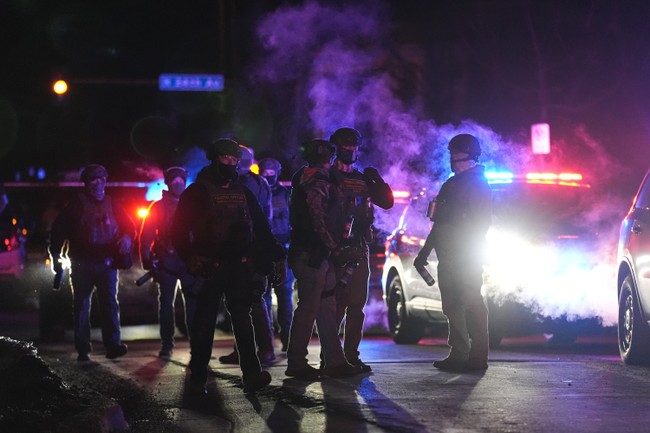
The anti-ICE group in Minneapolis set up an informal “checkpoint,” stopped vehicles, and clashed with a journalist and police; officers later cleared the makeshift barricade, prompting accusations of collusion and complaints from the activists.
Local activists created a street “filter” on Cedar Avenue, claiming they were checking license plates to identify ICE vehicles and prevent them from passing. They wore masks and questioned drivers, describing themselves as community defenders protecting the neighborhood. The situation drew police attention, but at first the officers did not remove the group, which frustrated many residents and observers who expect clear enforcement of public safety laws.
A journalist who went to investigate the operation reported being assaulted while documenting the checkpoint. Jorge Ventura said his hand was bloodied during the encounter and that his photojournalist colleague was also attacked. That assault escalated the story from a civil protest into a matter of public safety and criminal allegation, prompting renewed scrutiny of the group’s tactics.
The activists argue they are confronting what they see as an abusive immigration enforcement system, and they portray their street actions as necessary resistance. But the idea of stopping vehicles, demanding ID and reading license plates raises real concerns about vigilante policing and the safety of passing motorists. Citizens who object to federal immigration policy should not set up roadblocks that endanger drivers or interfere with emergency access.
Following the assault and growing local pressure, the city moved to clear the barricade at 32nd and Cedar. The Public Works team, with Minneapolis Police assistance, removed debris and homemade roadblocks on the high-traffic stretch to protect public safety and ensure emergency vehicles could pass. The official move targeted the obstruction itself rather than the political motives behind it, but it made clear that illegal blockades on busy streets will not be tolerated.
“The Public Works team — with assistance from the Minneapolis Police Department — cleared debris and homemade roadblocks yesterday,” the department said. “Given the high-traffic and high-speed block of roadways on Cedar Avenue, the city cleared the streets to ensure public safety for the neighborhoods and emergency vehicles.”
Activists responded with outrage, accusing police of colluding with ICE and “stealing” their barricades, while insisting the filters are legitimate community action. That framing ignores the basic fact that private citizens do not have authority to create traffic-control measures or detain drivers. The barricades were not traffic cones approved by the city; they were improvised obstructions that put people at risk.
Critics point out the hypocrisy of protesters who denounce ICE while effectively impersonating law enforcement by stopping vehicles and checking IDs. The protest method contradicts their public stance against enforcement tactics, because it copies the very practice they claim to oppose. Rather than persuading neutral bystanders, these tactics risk alienating the neighbors whose support they need for lasting political change.
The activists claimed they could quickly reestablish another “filter blockade” and planned to build momentum for more of them, but authorities made clear that repeated unlawful blockades would be removed. Blocking a major avenue invites police action and possible arrests, and it creates an easy detour for the agencies the protesters oppose. If the goal is to limit ICE movement, barricades on public roads are an ineffective and unlawful tactic that will likely backfire.
Members of the public watching this play out see two main issues: the attack on journalists and the improvised public hazard. Assaulting someone documenting events is a criminal act that undermines the group’s credibility. Meanwhile, unsafe road obstructions endanger emergency services and normal commuters, provoking legitimate demand for enforcement from residents and local leaders.
The episode in Minneapolis is a reminder that civil protest can be powerful when it follows the law and builds broad support, but it becomes self-defeating when it crosses into vigilante conduct or intimidation. Those who want to change federal policy should work through legal channels and community organizing, not by setting up illegal checkpoints that threaten public safety and put neighbors at risk. The city’s intervention made that boundary clear by restoring safe passage on Cedar Avenue while leaving accountability for violence and obstruction to follow through appropriate legal channels.

Add comment