
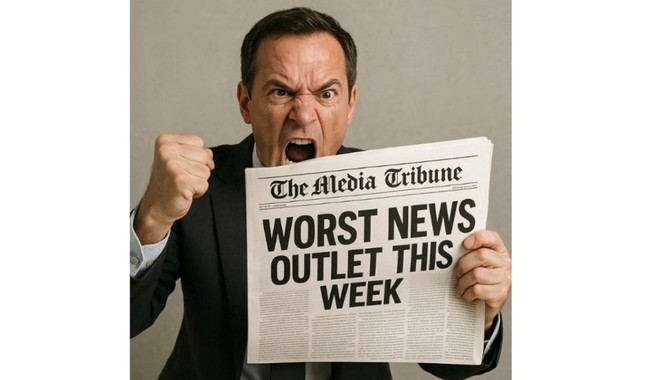
The media wobble over recent Iran strikes revealed predictable bias, misreporting, and selective outrage across several outlets. This piece walks through who flubbed the coverage, points out recurring misrepresentations, and names a single outlet that stood out for the wrong reasons. Quotes and claims are preserved exactly where they appeared, and original embed markers remain intact for reference. Read on for a clear, direct take on last week’s most egregious media moments.
The attacks on Iran set off an anti-Trump feeding frenzy among many outlets, with coverage that largely ignored any positives or strategic gains. Reporting treated the move as uniformly disastrous, dismissed the neutralization of nuclear threats as irrelevant, and skipped over the regime’s own recent violence that cost more than 30,000 lives. The result was nonstop negativity, often framed to make the administration look incompetent or reckless.
Outlets bent over backward to misrepresent administration officials in ways that made their decisions seem foolish. Secretary of State Marco Rubio and Secretary of War Pete Hegseth were paraphrased and reshaped until their comments fit a hostile narrative. When Iran’s leader died, some outlets seemed to compete for the most ridiculous, unflattering eulogy rather than report facts calmly and accurately.
THE CONTENDERS
The Bulwark drew sharp criticism from Bill Kristol for the Iran strike while glossing over past actions by the regime. Claims were made that MAGA was divided over the war despite polls showing consistent GOP support. The Bulwark’s commentators, who frequently label those on the right with extreme terms, continued that pattern in their Iran coverage.
New York Times coverage leaned sympathetic at times and seemed to apply different standards when conservatives or opponents passed away. Peter Baker focused less on the operational success of the Epic Fury mission and more on the timing of reports and the optics of disclosure. In critiques of the Iran attack, the Times linked commentary to an official whose security clearance was restricted and who faced an investigation for allegedly passing information abroad. Reporting on a protest-related IED attack in New York highlighted the components of the devices rather than broader security context.
ABC News aired segments suggesting the United States may have been pushed into confrontation by outside actors, with anchors explaining entry into Iran in ways that hinted at Israeli influence. The network speculated about the sinking of an Iranian vessel as part of those dynamics. George Stephanopoulos pressed Sec. Hegseth aggressively on air, reflecting an adversarial tone that has become routine. On “World News Tonight,” coverage emphasized perceived missteps in the timing and execution of the strikes rather than the strategic rationale.
The Economist published an austere response to Ayatollah Khamenei’s death that many found chilling and oddly detached. In other pieces, the outlet pivoted to profiles of pre-campaign behavior and even lifestyle pieces, including advice that a “hangover remedy” is simply drinking less the night before. That mix of tone-deaf features and hard political commentary felt inconsistent with the gravity of the moment.
THE WINNER
CNN emerged as the week’s standout for tonal inconsistency and repeated framing that appeared to align with Iranian narratives. The network allowed reporting that suggested the regime’s version of events uncritically, and accommodations were made to allow certain journalists into areas to report on conditions.
On air, anchors searched for direct evidence of hits on civilian sites and, failing to find it, turned that absence into doubt about official accounts. When Hezbollah entered the fray and struck Israel, the network repeatedly labeled the organization a “militia,” a description that downplayed the group’s terrorist designation and history.
While CNN ran with sympathetic angles, other outlets were accused of partisan framing about the Epic Fury mission. Prominent anchors seemed surprised or uncomfortable at the idea that the strikes could, or should, target leadership elements.
Guests and panels often amplified the confusion, with networks inviting commentators who lacked subject-matter expertise or who had strong biases. One high-profile show booked an Iranian expert and former political prisoner to provide context, only to have that perspective dismissed or shouted down by non-experts on the panel. That pattern left viewers with heat but not clarity.
The coverage across outlets showed a pattern: emphasis on outrage, selective fact focus, and a tendency to reframe events to fit existing biases. Networks and publications chose framing over straightforward reporting, and in the process they left readers and viewers with more partisan heat than useful information.
Editor’s Note: The mainstream media continues to deflect, gaslight, spin, and lie about President Trump, his administration, and conservatives. Help us continue to expose their left-wing bias by reading news you can trust. Join RedState VIP and use promo code FIGHT to get 60% off your membership.
Add comment