
The weekend protest outside Gracie Mansion in New York spiraled into a violent confrontation when two people reportedly threw improvised explosive devices amid dueling demonstrations. Authorities later took suspects into custody and confirmed the devices were functional and contained shrapnel, while official statements and much of the media framed the story in ways that obscured who was responsible. This account walks through what happened, how officials responded, and how major outlets presented the incident.
A protest organized by an anti-Islamist activist drew an opposing crowd, and tensions were high from the start. Predictably, the situation was volatile: two sides with starkly different aims converging near the mayor’s residence is a recipe for trouble. What began as a heated public clash quickly escalated into a dangerous scene when incendiary devices were thrown into the mix.
During the melee, two individuals reportedly tossed what authorities later described as explosive devices toward the crowd. One assailant allegedly shouted “Allahu Akbar” as he threw a device, and then obtained a second from an associate. Fortunately, neither device detonated, but they were taken seriously by law enforcement because they contained shrapnel and were considered legitimate explosive ordnance.
Both suspects were apprehended at the scene and the devices were analyzed by bomb technicians. Investigators also discovered a vehicle nearby with concerning contents, prompting a police cordon and searches in the surrounding area. Those follow-up actions made clear this was not a minor incident of vandalism or isolated protest violence; it involved weapons capable of causing serious injury.
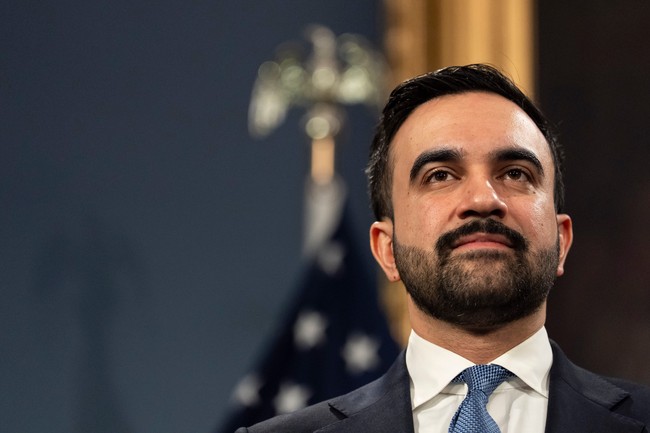
Following the arrests and forensic findings, Mayor Zohran Mamdani issued a public statement addressing the event. His remarks named the organizer of the initial protest and condemned the bigotry he attributed to that rally, while offering a broader denunciation of violence at demonstrations. His statement read exactly: “Yesterday, white supremacist Jake Lang organized a protest outside Gracie Mansion rooted in bigotry and racism. Such hate has no place in New York City,” Mamdani said. “It is an affront to our city’s values and the unity that defines who we are. What followed was even more disturbing. Violence at a protest is never acceptable. The attempt to use an explosive device and hurt others is not only criminal, it is reprehensible and the antithesis of who we are.”
What stood out about the mayor’s response was the timing and the gaps in attribution. His remarks came after the suspects had been named and after bomb analysts had publicly described the devices as serious explosive ordnance. The delayed and selective phrasing left room for readers to wonder why specifics about who threw the devices and which side they were on were not spelled out more plainly.
The way mainstream outlets covered the incident reinforced that ambiguity in many cases. Headlines and lead paragraphs in several major news organizations emphasized arrests and the chaotic scene without making it immediately clear who deployed the incendiary devices. That framing often created a sense of moral equivalence between the dueling crowds instead of clearly identifying the perpetrators of the violent act.
Some outlets initially ran headlines suggesting multiple parties were arrested over a “suspicious device” thrown during protests, and only later revised copy to describe an “improvised explosive device” after being challenged. Those headline edits illustrate how editorial choices shape public perception in real time, and how phrasing can downplay the severity or the culpability of those who acted violently.
Another major paper used euphemistic language to describe what was thrown, avoiding blunt terms such as explosive or IED in early coverage. That kind of soft-pedaling matters because when the press avoids clear descriptors, it dilutes accountability and muddles the public’s understanding of who posed the danger. The result is a narrative that can be skewed away from facts that were verifiable soon after the arrests.
When a violent act involves weapons and potential terrorism-style tactics, precise reporting matters for public safety and civic trust. Soft framing and delayed clarity from officials and media outlets can look like deflection, intentional or not, and that undermines confidence in both city leadership and national reporting. The stakes are high: mislabeling or obfuscating incidents like this affects how citizens judge threats and the institutions that respond to them.
The chaotic scene at Gracie Mansion exposed not only the dangers that can erupt when opposing groups clash, but also the choices leaders and newsrooms make in framing such events. Clear attribution, timely facts, and direct language would have given the public a more accurate picture sooner. Instead, readers were left to parse a mix of delayed official statements and ambiguous headlines while the forensic truth about the devices and the suspects was already known to investigators.



Add comment