
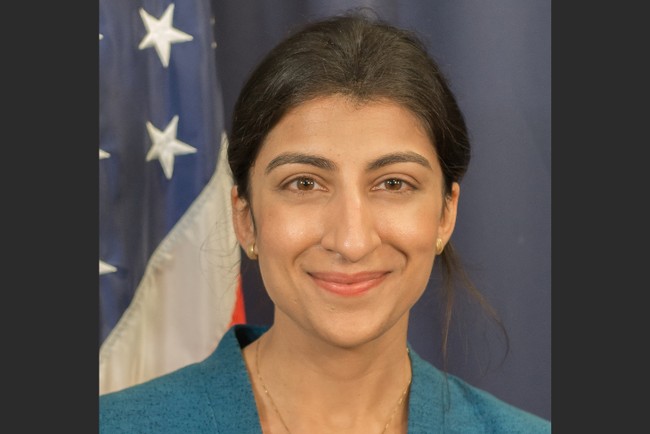
Zohran Mamdani’s mayoral transition is already shaping up to be a sharp turn for New York City, marked by the appointment of former Federal Trade Commission Chair Lina Khan as a co-chair of his transition team. This development signals a likely aggressive regulatory posture on tech and business and foreshadows political shifts that many residents see as making the city less hospitable. The pick of Khan, a high-profile architect of recent federal antitrust efforts, promises immediate policy priorities and a roster of advisors aligned with a progressive, regulatory-first mindset. The implications for businesses, residents, and city governance are already drawing criticism and concern from those who favor a different direction for the city.
New York voters handed Mamdani a victory that many interpret as a mandate for sweeping change, but the choice of Lina Khan raises questions about what that change will look like in practice. Khan’s tenure at the FTC was marked by a push to expand antitrust enforcement and to clamp down on practices she and allies deemed harmful to consumers. That record is exactly why conservatives and business owners worry she will push hard to impose new constraints on companies operating in New York, with little patience for balancing economic growth and regulatory zeal.
New York Mayor-elect Zohran Mamdani (D) has brought on former Federal Trade Commission (FTC) Chair Lina Khan to co-lead his transition team, he announced Wednesday. Khan, who led the FTC during the Biden administration, will co-chair the Mamdani transition with three other veterans of New York City Hall, the mayor-elect announced in a statement. “New Yorkers sent a clear message this week that it’s time to build a city that working people can actually afford. I’m excited to help Zohran build a team that will usher in a new era for New York City and set a new model for Democratic governance,” Khan said in a statement.
Conservative critics see this as more than a policy hint: they see it as a sign Mamdani intends to remake the city’s economic rules. If the transition team mirrors Khan’s FTC approach, New York could become a proving ground for aggressive regulation, from heightened merger scrutiny to limits on certain business practices. For a city that depends on finance, tech, hospitality, and small business, that kind of approach risks driving investment and talent elsewhere rather than attracting it.
Already, there are reports and anecdotes of people planning to leave the city in the face of policies they expect to be punitive or misaligned with economic freedom. The rhetoric around “building a city that working people can actually afford” sounds appealing until you consider the mechanisms that might be used to achieve it. Price controls, heavy-handed regulation, and broad enforcement initiatives seldom produce the intended effect of affordability without collateral damage to jobs and services.
Khan’s public record shows she promoted tougher scrutiny of corporate mergers and sought to curb what regulators labeled unfair business practices. Those positions won her praise from progressive activists and concern from business leaders. Some high-profile tech figures reacted to federal antitrust moves by shifting political support, and critics argue that aggressive federal action contributed to that realignment.
For ordinary New Yorkers, the immediate concern will be how policy translates into street-level reality. Will there be new compliance burdens on small businesses squeezed already by rents and taxes? Will startups face barriers that drive founders to friendlier states? Those are the real-world consequences that matter far more than the virtue of ideological purity in transition appointments.
The political optics are also significant. Mamdani’s decision to include a national figure associated with federal regulatory campaigns sends a clear signal about priorities and alliances. It shows he intends to align city policy with a broader progressive agenda rather than focusing exclusively on pragmatic, local governance. That matters because municipal leadership often succeeds or fails on basic services and safety, areas where ideological experiments are politically risky.
Opponents are already gearing up to make the case that this transition team choice will alienate businesses and professionals the city needs to thrive. The argument will emphasize that punitive approaches to corporations and aggressive enforcement tactics scare off investment and encourage relocation. Supporters will counter that strong regulation protects consumers and levels the playing field, but the debate will hinge on which approach better sustains jobs and growth in New York.
Whatever unfolds during the transition, the choice of Lina Khan guarantees that regulation and antitrust will be central themes in the conversation about New York’s future. For residents and stakeholders evaluating their options, the coming months will reveal whether the transition’s rhetoric matches the practical steps and whether those steps make the city more livable or push people and capital away. The stakes are high, and the coming policy agenda will be a clear indicator of which direction the new administration intends to take.



Add comment