
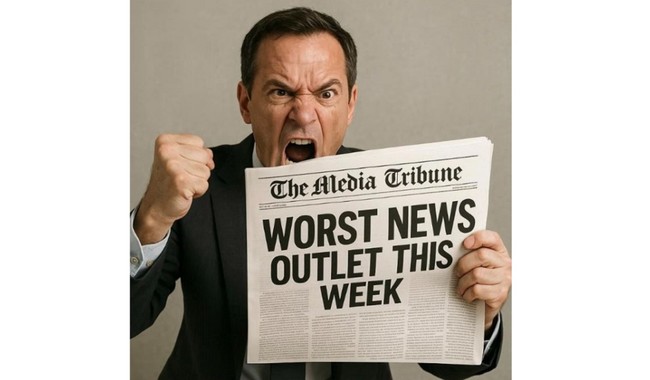
This week’s media roundup calls out the most muddled outlets, highlights the stories that sent reporters into spasms, and names which organizations stood out for sloppy, misleading, or plain biased coverage while preserving the original quotes and embedded sources.
It was an unusually hyped off-year election cycle, with the press center stage as a controversial New York mayoral contender surged in polls. Reporters treated the race like breaking history, even as questions lingered about why a politician with radical views drew such intense fascination. Coverage often leaned sensational, giving airtime to speculation instead of context.
The shutdown drama continued to dominate headlines, fueling melodramatic framing across networks and op-eds. Outlets replayed worst-case scenarios about services and benefits as if consensus had already been reached, which amplified panic more than clarity. At the same time, stories about immigration enforcement and detention centers kept cycles spinning without always distinguishing facts from feelings.
Conservative infighting also grabbed coverage, and many liberal commentators seemed to expect catastrophic fracturing that never materialized. That anticipation shaped many segments, causing pundits to overstate the significance of routine disagreement. The result was echoing narratives rather than sober reporting on what actually shifted.
Among the contenders, CNN featured several missteps that drew attention. A report implied the FBI had foiled a major terror plot in Dearborn when evidence later showed the incident was an innocent prank, and the network aired follow-ups after the Bureau clarified the facts. Panels sometimes relied on historians and guests whose remarks only added confusion, and hosts struggled to label and contextualize candidates accurately while guests made sweeping claims about national politics.
The New York Times appeared to chase cultural influence and conservative splits with pieces aimed at pressuring the right into internal conflict. One profile asked, “Why can’t conservatives break through on late-night TV? For years, that was an open cultural question.” The tone suggested the paper wanted to prod ideological fractures rather than simply report cultural trends, and critics noted the framing ignored broader structural barriers in media markets.
ABC News minimized certain details in ways that frustrated critics who wanted a fuller accounting of events. Morning shows replayed dramatic footage and sometimes presented law enforcement actions in a way that prioritized visual shock over steady context. Investigative segments surfaced on election day, but the overall sense was of a network skirmishing between headlining drama and measured inquiry.
MSNBC continued its pattern of framing political fights as conspiratorial narratives, with commentators at times asserting top-level plotting rather than routine legislative maneuvering. The network’s panels often leaned into grievance-driven takes on immigration enforcement and social programs, and segments on SNAP and benefits reflected an urgency that wasn’t always matched by clear policy breakdowns. Viewers saw a steady stream of stances presented as inevitabilities instead of debates.
The BBC landed as the standout example of mistakes this week, showing that no outlet is immune to editorial failures. A documentary segment was revealed to have edited a January 6 speech in a way that critics said altered the meaning, prompting resignations and widespread criticism. Top officials stepped down in the fallout, and the controversy highlighted how editorial shortcuts can destroy credibility overnight.
Defenders of the BBC controversy argued alternative explanations despite mounting evidence of manipulation, and anchors faced reprimands after deviating from approved terminology during live broadcasts. Those incidents underscored how both wording choices and post-production edits can reshape how audiences perceive events, sometimes in ways that harm institutional trust. The episode served as a reminder that rigorous sourcing and transparent editing practices matter more than ever.
The cumulative picture across outlets this week was less about a single catastrophic error and more about patterns: rushing to narratives, elevating emotion over detail, and tolerating sloppy editorial choices that produce misleading impressions. Reporters and producers repeatedly surrendered nuance in favor of headlines, and that approach fed the cycles of outrage that dominate modern newsrooms. The week’s coverage offered a useful case study in why media accountability and clearer standards matter for public understanding.
Embedded references and source material remain in place below where originally located to preserve context and allow readers to review primary content.

Add comment