
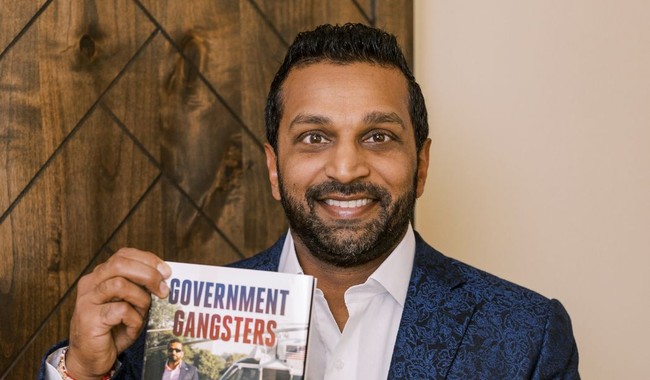
The mainstream press rolled out another breathless claim that FBI Director Kash Patel was about to be fired, and this article walks through why that narrative falls apart—highlighting sloppy sourcing, wishful thinking, and a pattern of media obsession rather than hard reporting.
Late Friday reports said Patel abruptly canceled a trip to Chicago and was summoned to the White House, framed as a sign that his days were numbered. The story leaned on anonymous “people familiar” and unnamed officials to suggest frustration in the administration, but the reporting offered little by way of verifiable facts. That kind of sourcing is a red flag when a major claim rests entirely on hearsay and innuendo.
One trigger for the flap was persistent coverage from critics who have been dogging Patel for months, coupled with his blunt social-media reactions. The media’s eagerness to turn social-media spats into proof of misconduct shows how narrative often precedes evidence for certain outlets. Instead of waiting for on-the-record confirmation, they stitched together a scandal from snippets and unnamed commentary.
The piece relied on an exhausting roll call of anonymous phrasing: “people spoke on the condition of anonymity,” “according to two people with knowledge,” “several people said,” and variants thereof. That template has been used repeatedly in prior hit pieces, and it leaves readers with a parade of quotes that go nowhere. When every crucial point comes through unnamed sources, accountability vanishes and the story becomes speculation dressed up as reporting.
https://x.com/Kash_Patel/status/2075544869267706152
At one point the reporting even echoed prior sensational accusations that never produced documented proof, a pattern that should make skeptical readers pause. The Atlantic previously leveled explosive claims about Patel’s personal conduct without on-the-record witnesses, and that kind of repetition erodes the press’s credibility. A better press would either produce named sources or refrain from running headline-grabbing allegations.
The article’s own internal contradictions were obvious. Reporters proclaimed that Patel was summoned for urgent reasons, then admitted the central detail: “The precise reasons that Patel’s political bosses demanded he cancel his trip and report to the West Wing are unclear.” That sentence destroys the premise. You cannot credibly claim someone has been effectively fired while simultaneously conceding the motive is unknown.
Even more telling is the manpower deployed to craft the report: five reporters credited with producing an article so hollow it could not identify a single official willing to speak on the record. If multiple journalists combine notes and still fail to corroborate the key facts, the problem lies less with Patel and more with the reporting process. That kind of collective failure suggests a rush to narrative rather than a disciplined investigation.
The substantive detail missing from the hit piece was unlocked elsewhere: Patel was reportedly in the White House much of that day working on a specific intel matter tied to Air Force One and a NATO trip. That factual context undercuts the frame that he was sidelined or preparing to exit. If someone is in the building handling classified matters, the story that they were being bounced because of some internal meltdown looks a lot less plausible.
Imagine a newsroom assembling a dramatic narrative about a top official’s demise while ignoring the most basic timeline and work product evidence. That’s what happened here. The result is a spectacle that reads like wishcasting: the media wants a dramatic fall so badly that it interprets routine activity as proof of collapse.
This is not casual critique; it’s a pattern. Reporters who have repeatedly targeted Patel keep trotting out recycled themes without delivering verifiable proof. When reporting depends on recycled allegations, unnamed sources, and speculative leaps, the public is left with rumor masquerading as journalism. Responsible outlets should either produce solid, named sourcing or stop running these alarmist stories.
Meanwhile, officials who did speak on the record pushed back, and the few concrete accounts available pointed to work-related reasons for Patel’s presence at the White House. That reality ought to temper headlines and compel editors to demand better sourcing. When facts contradict the preferred narrative, the press has an obligation to correct course rather than double down.
Journalistic skepticism should cut both ways—toward power and toward the reporters themselves. The appetite for scandal should not replace the duty to confirm facts. Until major outlets stop mistaking rumor for revelation, their readers are justified in treating sensational claims about public officials with healthy suspicion.


Add comment