
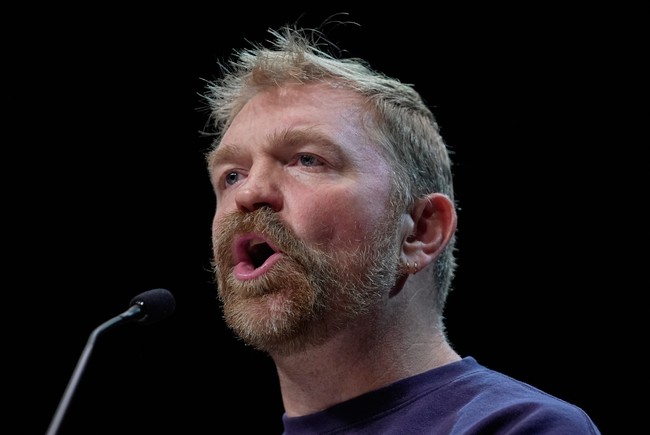
The dispute over Graham Platner and Sen. John Fetterman has escalated into a public fight over alleged sexting, past offensive remarks, and how those revelations shape the Maine Senate race, with polling now showing a competitive contest and questions about whether Platner will ever produce the texts Fetterman has demanded.
Sen. John Fetterman publicly challenged Graham Platner to release the texts and messages reported to exist between Platner and several women, framing the demand as a transparency test for a candidate seeking statewide office. Fetterman characterized the torrent of offensive remarks attributed to Platner as too numerous “it’s hard to keep up with it,” arguing the behavior matters to voters who expect basic decency. His call included a blunt ultimatum: “Let me make a deal. I’ll tell P-Hustle, I’ll wear a suit every day, if he releases all those texts and messages that he’s had,” which referenced the reported Kik account handle. Critics seized on that line to press Platner for proof of age and context in the conversations, asking bluntly, “You can prove [to] America… what’s [in] these conversations. Can P-Hustle prove how old these people are?”
Over the weekend Fetterman also the possibility of “d**k pics” out there, heightening the salacious tone of the exchange and forcing the campaign into damage-control mode. The public back-and-forth quickly shifted from policy and electability to character and judgment, and Republicans in Maine say that shift benefits incumbents who can cast Platner as too risky. Voters who prefer a steady, accountable representative are being reminded that character questions often matter as much as issue positions in a tight race.
Platner replied in a way that many saw as defensive and tone-deaf, and the response only amplified concerns about his judgment, given revelations about a Nazi tattoo and other past comments. His post included accusations against Fetterman that leaned into national political fights, suggesting Fetterman had become “a stooge for AIPAC and the Republican party” and mocking his clothing choices rather than addressing the substance of the allegations. Those retorts left one glaring omission: no agreement to produce the texts Fetterman demanded, which critics say speaks louder than any insult.
John Fetterman seems to genuinely think that the reason no one likes him is because he refuses to wear a suit.
It’s not the hoodie, dude. It’s because you’ve become a stooge for AIPAC and the Republican party.
Republican commentators point out that blaming outside groups like AIPAC for a candidate’s alleged misconduct misses the point, since none of those organizations forced the behavior reported in the allegations. Platner’s critics note the alleged conduct — from disrespectful treatment of women to inflammatory remarks about wounded service members — is his responsibility alone, and voters should judge him on that record. The controversy isn’t abstract; it ties directly to how independents and moderates in Maine see fitness for office, and local Republicans argue that makes this a winnable contest for the incumbent.
Public polling now shows the race tightening, and Republicans are reading the numbers as a warning sign for Platner rather than a signal of his strength. One recent survey by a Republican firm reported a tie between Platner and Senator Susan Collins at 46% each among likely voters, with 8% undecided, and pollsters emphasized that more information about Platner had made voters less favorable toward him. That data matches other indicators: the survey found 49% of respondents had an unfavorable view of Platner compared with 29% earlier in the year, reflecting a rapid drop in his standing among constituents.
Beyond raw favorability, the poll suggested the revelations about reported Kik activity would depress Platner’s support, with 59% saying the information would make them less likely to vote for him and only 33% saying it made no difference. Republicans point out this dynamic is critical in a state like Maine, where ticket-splitting and independent voters often decide close contests. Strategists on the right argue that a candidate under sustained character scrutiny struggles to expand beyond a base of enthusiastic but narrow support.
https://x.com/grahamformaine/status/2063395224592761326?ref_src=twsrc%5Etfw
The poll by Republican firm Fabrizio, Lee & Associates on behalf of the pro-Collins Pine Tree Results PAC showed Collins and Platner each receiving 46% support among likely voters, with the remaining 8% undecided. The results were first reported by Politico.
“It is clear that the more voters learn about Platner the more they find they don’t like him, making the Senate race HIGHLY competitive,” pollsters Tony Fabrizio, David Lee and Travis Tunis wrote. “Senator Collins and her allies need to muster the resources to keep the pressure on Platner as the Democrat money machine tries to salvage Platner’s candidacy.”
That same analysis flagged falling net favorability and growing name recognition tied to negative stories, and Republicans say the trend often accelerates as more reporting surfaces. The poll results came after the initial sexting reports but before additional accounts of abusive behavior appeared, meaning the damage could deepen. For a candidate who needs crossover voters in Maine, slipping favorability and fresh allegations are major liabilities.
Platner’s reaction so far has failed to quash those concerns, and his critics say the focus should remain on accountability and evidence rather than personal attacks. The demand for the texts is simple and public; Republicans see Platner’s silence as a political calculation that may cost him at the ballot box. As this unfolds, the core issue for many voters is whether the candidate will answer basic transparency questions and show the judgment necessary for national office.


This Platner is nothing but BAD NEWS and a very nefarious character that cannot and should be trusted in any political office at all!
Do not allow him to continue his ambitions in American politics!