

New: Leaked Docs Claim Forensic Evidence Ties Former Capitol Police Officer to Jan. 6 Bomber
This article examines claims that a forensic gait analysis links a former Capitol Police officer to the pipe bombs found near the Capitol on January 6, 2021, outlines how the analysis was reported, and summarizes reactions and unanswered questions surrounding these allegations.
On January 6, 2021, two pipe bombs were discovered near the Democratic National Committee building and the Capitol Hill Club, a fact that has continued to draw attention and questions. Recent reporting asserts that a computer forensics program matched the bomber to a former Capitol Police officer, producing a 94 percent likeness based on gait and physical characteristics. That claim, if accurate, would raise serious concerns about insider involvement in a high-profile act of violence on a politically charged day. The report centers on both the algorithmic match and follow-up observations from analysts who reviewed the same material.
The analysis at the center of the story reportedly examined walking parameters such as flexion, hip extension, speed, step length, cadence, and variance to produce a statistical similarity. The software’s output was described as a strong match, and a veteran analyst who reviewed the footage is said to have rated the match even higher. The subject named in the reporting is a former Capitol Police officer who left the department in mid-2021 and later performed security work elsewhere. Those employment details figure into the narrative because they speak to both opportunity and proximity around the time of the events.
A forensic analysis of a female former U.S. Capitol Police officer’s gait is a 94%-98% match to the unique stride of the long-sought Jan. 6 pipe-bomb suspect, according to a Blaze News investigation confirmed by several intelligence sources.
A source close to a congressional investigation of Jan. 6 additionally told Blaze News evidence has emerged recently that pointed toward law enforcement possibly being involved in the planting of the pipe bombs.
The report points to a specific individual and provides a percentage figure for the match, but it relies on a chain of reporting and sources rather than an official law enforcement announcement. Critics and defenders alike recognize that algorithmic gait analysis can be suggestive but is not a standalone conviction. The computing tools parse movement data and assign a probability, yet real-world identification involves corroborating evidence like surveillance context, witness statements, and physical traces. That nuance matters when a high-stakes accusation involves a former officer.
Included in the published material is a detailed explanation of how the algorithm reached its conclusion, listing the biomechanical measures scrutinized by the software. Those measures include knee bend, hip movement, cadence, step variance, and overall stride length—parameters that can be quantified from video under ideal conditions. The analyst who ran the software reportedly noted that visual observation can sometimes catch subtleties the program misses, and that personal review nudged the match figure upward. These are the kinds of technical claims that demand careful peer review and replication.
A software algorithm that analyzes walking parameters including flexion (knee bend), hip extension, speed, step length, cadence, and variance rated Shauni Rae Kerkhoff, 31, of Alexandria, Va., as a 94% match to the bomb suspect shown on video from Jan. 5, 2021. The veteran analyst who ran the analysis for Blaze News said that based on visual observations the program can struggle with, he personally pegged the match at closer to 98%.
Kerkhoff, who was a Capitol Police officer for four and a half years, left the department in mid-2021 for a security detail at the Central Intelligence Agency, sources told Blaze News.
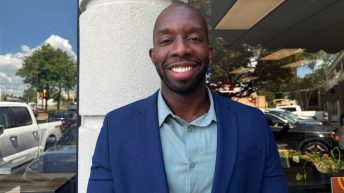
Another element in the story involves reported surveillance activity by law enforcement near the alleged suspect’s residence in the days following January 6. A former federal agent quoted in the reporting described being assigned to surveillance close to the residence and then being pulled away, a detail that the agent interpreted as suspicious. Such assertions feed into broader concerns about potential investigative missteps or deliberate obfuscation. They also underscore how much of the narrative depends on insider statements rather than public agency disclosures.
Former FBI Special Agent Kyle Seraphin realized Friday that he was doing surveillance next door to the woman now suspected of being the Jan. 6 pipe bomber.
“The FBI put us one door away from the pipe bomber within days of January 6, and we were deliberately pulled away for no logical or logically investigative reason,” Seraphin told Blaze News Friday. “And everything about that tells me that they were involved in a cover-up and have been since day one.”
At the time of this writing, federal agencies have not publicly confirmed the identity alleged in these reports or the findings of the gait analysis. That absence of formal comment leaves open critical questions about chain of custody for the videos, the independence of the analysis, and whether additional forensic work will support or contradict the initial result. Given the gravity of the claim, a transparent, evidence-based response from official investigators would be expected to clarify the matter.
These allegations touch on institutional trust, the limits of algorithmic identification, and the political fallout that follows concerning accountability and law enforcement integrity. They also highlight how modern investigations increasingly rely on computational methods that must be paired with traditional investigative standards. The unfolding story will hinge on whether public agencies corroborate the analysis and disclose the supporting evidence behind any formal accusations.
Add comment