
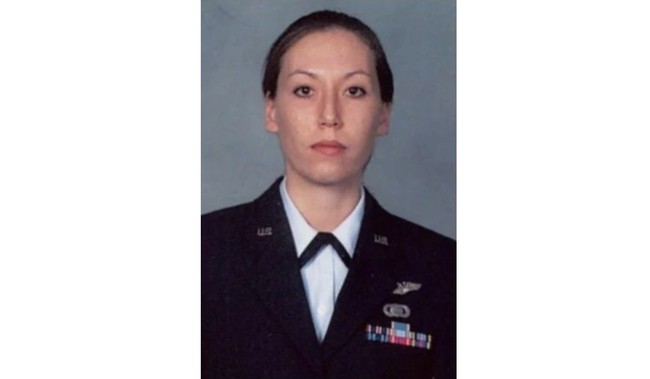
The FBI has escalated its effort to locate a former Air Force counterintelligence specialist accused of spying for Iran by announcing a substantial reward, renewing questions about the timeline of events and the nature of the alleged disclosures.
The woman at the center of this case allegedly defected to Iran in 2013 and was indicted in 2019 on espionage-related charges. U.S. authorities say she had access to sensitive programs and later shared information with Iranian intelligence, a charge that has kept this case in the headlines off and on for years.
The Bureau has now announced a $200,000 reward for information that leads to capture and prosecution, a move that signals renewed urgency. This kind of public incentive suggests the FBI believes someone with actionable knowledge could come forward, possibly from inside Iran or among contacts who learned of her whereabouts.
Her background in Air Force counterintelligence and later work with government contractors put her close to classified programs, according to reporting and the indictment. That proximity, coupled with claims that she identified former colleagues to foreign handlers, is what made this case particularly sensitive for national security officials.
The FBI is offering a $200,000 reward for information leading to the capture and prosecution of former U.S. Air Force counterintelligence specialist Monica Elfriede Witt, who defected to Iran in 2013 and is accused of providing national defense information to the Iranian government.
Monica Elfriede Witt, 47, was indicted by a federal grand jury in February 2019 on espionage-related charges and remains at large.
Public documents and reporting describe her as someone who worked on RC-135 reconnaissance missions and later supported Army counterintelligence projects after leaving uniformed service. She reportedly “read on” to a special access program related to Iran, a designation that marks the highest level of compartmentalization in the intelligence community.
Witt was not a superspy. Her intelligence experience was operating on an RC-135 reconnaissance aircraft. She served in an undefined capacity while serving in counterintelligence. After leaving the Air Force she went to work for Booz Allen Hamilton, former employer of Edward Snowden, on Army counterintelligence projects and for Chenega Federal Systems on Middle East matters. During this time she “read on” to a special access program (SAP) targeting Iran. Her major offense seems to be trying to betray former colleagues by identifying them to Iranian intelligence though I’m not downplaying divulging the existence of the SAP.
One persistent question is why the indictment and public reward came years after her reported disappearance. Officials described the action as the result of years of investigative work, implying a lengthy and complex inquiry. Skeptics note that a delay like this raises questions about what was known and when, and whether opportunities to act earlier were missed.
The FBI’s wanted materials include multiple photographs and biographical details intended to jog memories and prompt tips. Publicizing such information serves two purposes: generating leads and signaling to allies and adversaries that the case remains active. That signal matters politically and operationally, especially given rising tensions between the U.S. and Iran.
This case has tangled elements that touch on intelligence tradecraft, contractor roles in sensitive programs, and the challenges of counterintelligence in a permissive foreign environment. It also highlights how personnel with access to special access programs represent a particular risk when their loyalties or circumstances change.
For Americans watching from across the political spectrum, the story is a reminder that counterintelligence failures can have long tails. The reward announcement is a practical law enforcement step, but it is also a public relations move designed to pressure potential witnesses and to show the government is still pursuing justice.
Whatever the motivations behind the timing, the FBI now explicitly asks for help, offering a financial incentive and renewed attention to a case that prosecutors consider serious. The coming weeks might bring new leads, or they might reveal why it took years for this case to resurface at this level of visibility.



Add comment