
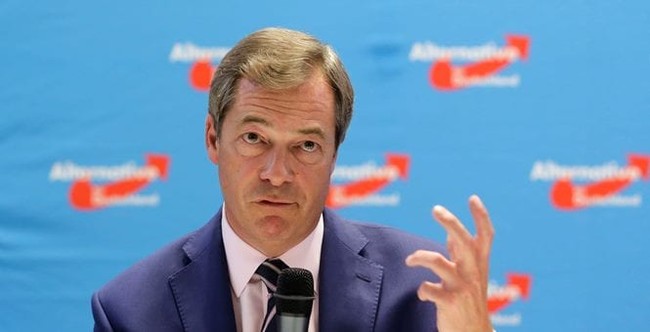
Kier Starmer has resigned after a crushing electoral setback, and Nigel Farage is urging a snap general election, arguing that only a decisive vote can halt the country’s decline and restore trust in government. Farage credits Reform’s surge for exposing Labour’s failures and insists Britain needs radical change on borders, crime, and economic policy. He says the political class has betrayed voters and that Westminster should not coronate leaders without a proper mandate. The debate now centers on whether a rapid, nationwide vote can reset Britain’s direction.
The recent local results delivered a heavy blow to Labour and left the party scrambling for answers, culminating in Starmer stepping down. Conservatives and Reform supporters claim this collapse proves that the political elite misread public anger on crime, immigration, and economic drift. Nigel Farage and his team argue the electorate has already voiced its frustration in poll after poll and that a swift general election is the democratic answer. They say delaying only risks further erosion of public confidence in Westminster.
The Prime Minister is finished. I have to give Starmer some credit: even I couldn’t have predicted how quickly he would reveal himself as the most incompetent Prime Minister this country has ever had the misfortune of having.
Starmer isn’t the first Prime Minister I’ve deposed, and he won’t be the last. David Cameron. Theresa May. Rishi Sunak. And next up – Andy Burnham. The reason each leader has failed is the same. What the political class fails to understand is that the electorate won’t accept being taken for fools. They cannot continue to take the votes of the people who supported them for granted, only to betray them upon having gained power. Politics is about trust.
Farage’s tone is blunt and unapologetic, framing the situation as a direct backlash against a complacent ruling class. He points to long-standing public grievances — from border control to the decline in public order — and says Reform offers clear alternatives. For many voters, the party’s promises to reverse damaging policies and restore basic services feel like a needed course correction. The call for a snap election is presented as a way to let voters settle the issue once and for all.
That is why I am calling for a General Election at the soonest possible date. You know as well as I do that the country cannot afford to waste another week drifting from crisis to crisis. That’s why millions of you turned out in the local elections to vote for Reform councillors, and it’s why we have led in more than 300 opinion polls for well over a year.
The British public have made their voices clear in May this year and last: Britain is broken and they want a radical reforming government that will fundamentally fix our country. But instead, Westminster wants to crown Andy Burnham off the back of a single by-election.
Critics of Labour underscore events they say demonstrate the party’s lack of attention to core issues, citing a perceived silence on scandals and failing public services. Opponents highlight uneven responses to serious investigations and argue that voters no longer trust the party to prioritize ordinary people’s safety and livelihoods. That distrust feeds the narrative that a new government with a mandate for sweeping change is necessary. Reform’s platform is pitched as a direct answer to those concerns.
Farage’s policy outline touches on hot-button items that resonate with conservative voters: stricter border control measures, rolling back green policies perceived as punitive, tougher criminal penalties, and lower burdens on small businesses and workers. He promises measures to reclaim legal sovereignty in migration matters, to roll back Net Zero commitments, and to ease tax pressure on overtime and small enterprises. Supporters see these moves as restoring common-sense priorities and economic freedom.
Reform have a plan to take back control of our borders by leaving the ECHR and ending ILR for millions of low-skilled migrants. Our Equal Treatment Act will return your ancient rights to equal treatment before the courts. We’ll end Net Zero and the war on motorists, and restore order to your streets by jailing criminals. Small businesses and sole traders battered by Rachel Reeves will, under my government, benefit from the raising of the VAT tax threshold – because we understand that working people don’t need handouts, but to keep the money they have themselves made. Our No Tax On Overtime policy will not only benefit hard-working people, but also improve productivity in our country, which is sorely needed.
The argument for immediate elections rests on the idea that voters should not be asked to accept a new administration chosen by insiders or through a prolonged internal process. Reform argues that popular momentum should be converted into a clear parliamentary mandate to make swift reforms. Opponents warn that snapping to elections can be risky and chaotic, but advocates insist that the country cannot afford more delay. The coming weeks will test whether Parliament and the parties will respond to that pressure.
Across the political spectrum, commentators note that this moment forces a reckoning about governance, priorities, and accountability. For those fed up with perceived neglect of national security, economic resilience, and community safety, the Reform pitch offers tangible policy shifts. Whether those proposals win majority backing at the ballot box remains to be seen, but the call for a decisive vote has unquestionably sharpened the political fight.



Add comment