
Checklist: Preview an AI-rendered concept for a Miami presidential library; note size, design, and amenities; outline ownership, legal challenges, and funding sources; compare to other presidential libraries and public reaction.
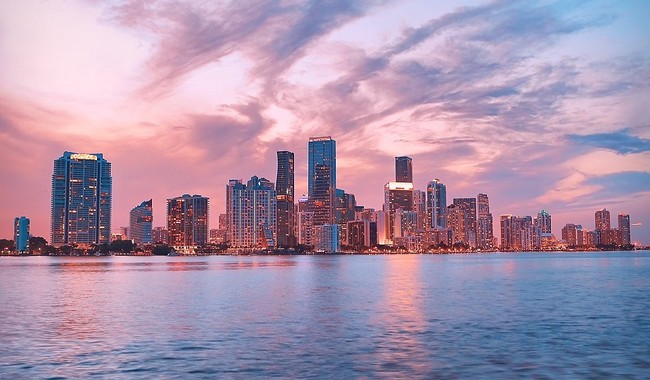
Eric Trump released an AI-generated vision for a proposed presidential library in Miami, Florida, presenting a bold, shiny concept meant to reflect his father’s larger-than-life persona. The renderings lean into dramatic architecture and waterfront prominence, the kind of statement piece that demands attention. The project is framed as both a monument and a commercial opportunity, mixing museum elements with hospitality and office ambitions. Supporters say it will celebrate a legacy while critics immediately seized on potential legal and planning fights.
Eric described the project as “a lasting testament” to what he called an “amazing man, an amazing developer, and the greatest President our Nation has ever known.” The short clip that accompanied his post uses cinematic music and sweeping camera moves to sell the scale and shine of the proposed structure. The building in the render has a visual kinship with Manhattan’s One World Trade Center, emphasizing height and a reflective exterior that catches light off the bay. Word on the street is that the president would like the tower to be 47 stories tall to mark his place as the 47th U.S. president, even though he also served as the 45th.
This landmark on the water in Miami, Florida will stand as a lasting testament to an amazing man, an amazing developer, and the greatest President our Nation has ever known.
These images have never been seen by the public — until today. Enjoy!
Design talk has quickly drifted into amenity talk, as happens whenever a Trump project is floated. Rumors include a hotel stacked above traditional library floors, a string of office spaces, and a top-floor restaurant with views over the water. There’s also chatter about displaying the large Boeing 747 reportedly gifted by Qatar for presidential use, which would make an imposing centerpiece compared with the smaller aircraft shown at other presidential museums. Those ideas are speculative at this stage, but they show how the concept blends museum priorities with commercial ventures.
Legal and political hurdles are already in motion even before any shovels hit the dirt. The 2.6-acre parcel was previously owned by a college and was transferred to state control in a move that cleared the path for the library’s authorization. That transfer triggered immediate lawsuits and complaints from opponents, and the usual legal delays are expected to play out. Local approval, zoning, and litigation will be the principal gatekeepers for a project of this scale and profile.
Likewise, the library’s possible display of the $400 million Boeing 747 gifted by Qatar for use as Air Force One, which would dwarf the single-story Boeing 707 at Ronald Reagan Presidential Library & Museum in Simi Valley, Calif.
There’s also talk of a hotel. “I could envision,” said a Trump ally familiar with the discussions who stresses that design ideas remain fluid, a “traditional library space [on the] first couple of full floors. Then you go up to 10 floors: hotel. And then you’d have office space. And then you have, you know, probably a beautiful restaurant at the top.”
Funding is a key question and one that has stirred irony and political commentary. Part of the budget is expected to come from legal settlements with mainstream media entities, money that would otherwise have been paid out in litigation. Additional funds would arrive from private donors, corporations, and possibly foreign contributors, while leftover inauguration-related money has been suggested as another source. The mix raises predictable debate about the propriety of certain funding streams and how transparent donors will be.
Comparisons to other presidential libraries are inevitable, and proponents are clear about the competition. They want something bigger and flashier than recent presidential archives, arguing that the Trump library should showcase a business-first, high-impact model that serves both as a museum and a revenue-generating site. Critics counter that such an approach prioritizes spectacle over scholarship, while backers argue that boldness drives visitation and long-term sustainability. In political terms, the project fits the broader narrative of branding and legacy-building that defines Trump-era undertakings.
Public reaction has been loud and split, with supporters praising ambition and detractors raising concerns about procedure, funding, and symbolism. Lawsuits and political challenges will likely determine how or if the plan moves forward, but for now the vision is on public display and doing exactly what it was meant to do: capture attention.
Meanwhile, other political figures are dealing with their own archival headaches, and online culture is already offering mockups and counter-ideas about what rival libraries might look like. Those conversations reinforce how presidential legacies are contested in real time, long before any permanent buildings are built.

Add comment